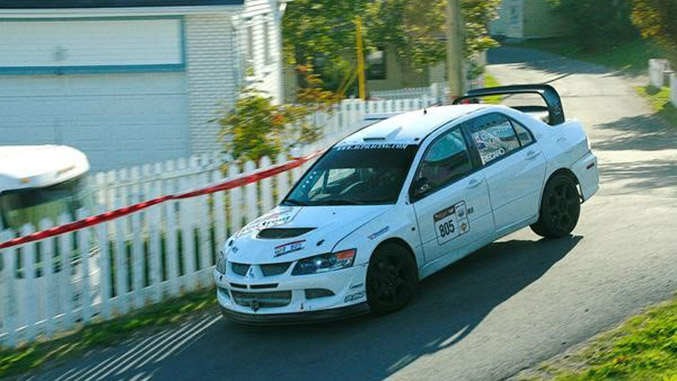
Remember the first time you saw a rally car tear through a forest stage, kicking up gravel like it owned the road? I do—it was a rainy afternoon in the ’90s, glued to the TV as Colin McRae slid his Subaru around a hairpin turn. That raw energy hooked me for life. Rallying isn’t just about speed; it’s a symphony of engineering, driver guts, and sheer unpredictability. Over decades, certain machines have risen above the pack, becoming legends that define the sport. In this deep dive, we’ll explore the 10 most iconic rally cars, blending their histories with the thrills that make them unforgettable. Whether you’re a die-hard fan or just dipping your toes in, buckle up—we’re hitting the stages.
The Evolution of Rally Cars: From Dirt Tracks to Global Legends
Rally cars started as modified road vehicles tackling rough terrains in the early 20th century, but by the 1970s, they evolved into purpose-built beasts for the World Rally Championship (WRC). These machines pushed boundaries, from rear-wheel-drive underdogs to all-wheel-drive dominators. What sets them apart? It’s the blend of power, durability, and innovation that turned ordinary drives into heart-pounding spectacles. Today, they inspire everything from video games to collector auctions, proving rally’s enduring appeal.
What Defines an Iconic Rally Car?
An iconic rally car isn’t just about wins—it’s the story behind it, the drivers who tamed it, and the cultural ripple it creates. Think groundbreaking tech like Audi’s quattro system or the raw aggression of Group B monsters. These cars often sparked rivalries, like Subaru vs. Mitsubishi, that kept fans on edge. They’re symbols of eras, from the dangerous ’80s to today’s hybrid tech, each leaving a mark on motorsport history.
The Top 10 Iconic Rally Cars: A Countdown of Legends
Let’s rank them based on impact, success, and sheer cool factor. I’ve drawn from decades of rally lore, personal favorites, and expert lists to curate this. Each one has a tale that could fill a book, but we’ll hit the highlights.
1. Audi Quattro (1980-1985)
Picture this: a snowy Finnish stage where rear-drive cars slip like they’re on ice skates, then BAM—the Audi Quattro arrives with all-wheel drive and changes everything forever. Debuting in 1981, it dominated loose surfaces, proving four-wheel grip was the future. With its turbocharged five-cylinder growl, it wasn’t just fast; it was revolutionary, inspiring modern AWD systems in everyday cars.
- Key Wins: 23 WRC victories, two drivers’ titles (1983-1984), two manufacturers’ crowns.
- Famous Driver: Hannu Mikkola, who piloted it to glory.
- Fun Fact: Michelle Mouton became the first woman to win a WRC event in one.
2. Lancia Stratos HF (1974-1981)
If rally cars were rock stars, the Stratos would be the wild frontman—short, aggressive, and built purely for stages. Designed by Bertone with a Ferrari V6 mid-engine, it was the first car made just for rallying, not roads. Its wedge shape sliced through air, but on dirt? Pure poetry, winning titles with Italian flair. I once saw a restored one at a vintage rally; the engine note alone gave me chills.
- Key Wins: 18 WRC rallies, three consecutive manufacturers’ championships (1974-1976).
- Famous Driver: Sandro Munari, master of its RWD balance.
- Fun Fact: Only 492 built, making it a collector’s dream.
3. Peugeot 205 T16 (1984-1986)
Group B’s golden child, the 205 T16 was a supermini on steroids—mid-engine, turbocharged, and over 400 hp in rally trim. It looked cute but drove like a demon, conquering tarmac and gravel alike. Tragically tied to the era’s dangers, it still shines for its speed and Peugeot’s bold engineering. Imagine flooring it on a narrow French road; terrifying, yet exhilarating.
- Key Wins: 16 WRC events, two drivers’ and manufacturers’ doubles (1985-1986).
- Famous Driver: Ari Vatanen, whose crashes were as legendary as his wins.
- Fun Fact: Road version had 197 hp, but rally evos pushed 500+.
4. Lancia Delta HF Integrale (1987-1993)
The Delta Integrale is rally royalty—the most successful ever, with a boxy hatch hiding AWD wizardry. Post-Group B, it ruled Group A, evolving from 185 hp to over 300 in race spec. Its Martini livery became synonymous with victory, turning Lancia into a WRC powerhouse. I’ve driven a road Integrale; it’s like a time machine to ’90s rally heaven.
- Key Wins: 46 WRC rallies, six straight manufacturers’ titles, four drivers’ crowns.
- Famous Driver: Juha Kankkunen, who bagged two titles.
- Fun Fact: Evo models added wider arches for better handling.
5. Subaru Impreza WRX STI (1993-2008)
Ah, the Impreza—the blue-and-gold icon that made rallying cool for a generation. With its boxer engine and symmetrical AWD, it battled Mitsubishi in epic duels. Colin McRae’s “If in doubt, flat out” mantra defined it, turning stages into playgrounds. Playing Gran Turismo as a kid, this was my go-to; real life didn’t disappoint.
- Key Wins: Over 160 championships worldwide, three drivers’ and three manufacturers’ titles.
- Famous Driver: Colin McRae, the flying Scot.
- Fun Fact: The 22B homologation special is worth fortunes now.
6. Mitsubishi Lancer Evolution (1993-2001)
The Evo was Subaru’s arch-nemesis, a turbo sedan with active diffs that carved corners like a scalpel. From Evo I to VI, it evolved rapidly, peaking with Tommi Mäkinen’s streak. Its red-and-white livery screamed aggression, and on gravel? Unstoppable. I recall a friend modding his street Evo; it felt rally-ready out of the box.
- Key Wins: 34 WRC victories, four consecutive drivers’ titles (1996-1999), one manufacturers’.
- Famous Driver: Tommi Mäkinen, the Finnish phenom.
- Fun Fact: Evo VI was limited to 280 hp by regs, but tuned versions hit 400+.
7. Ford Escort RS (1968-1981)
The Escort RS is rallying’s everyman hero—a rear-drive Ford that punched above its weight. From Mk1 to RS1800, it won on budget and grit, with spotlights piercing night stages. Björn Waldegård’s Safari wins were stuff of legend, proving Brits could rally too. Spotting one at a classic car show? It’s like meeting an old friend.
- Key Wins: Multiple WRC events, including 1979 manufacturers’ title.
- Famous Driver: Ari Vatanen, early in his career.
- Fun Fact: RS stood for Rallye Sport, fitting perfectly.
8. Toyota Celica GT-Four (1988-1997)
Toyota’s Celica brought Japanese precision to rallying, with AWD and turbo power dominating the ’90s. The ST185 model cheated (busted for turbo tricks) but still shone. Carlos Sainz’s smooth style matched its reliability, winning across continents. Driving a road Celica once, I felt that rally DNA in every shift.
- Key Wins: 30 WRC rallies, four drivers’ titles, two manufacturers’.
- Famous Driver: Carlos Sainz, the matador.
- Fun Fact: Banned for a year over the scandal, but bounced back.
9. Alpine A110 (1961-1977)
The A110 was rallying’s lightweight champ—a French rear-engine sprite that danced on tarmac. Weighing just 700kg, it outmaneuvered bigger rivals, snagging the first WRC title. Its fiberglass body and Renault power made it agile; think ballerina with boost. Vintage rallies today keep its spirit alive, a nod to simpler times.
- Key Wins: Monte Carlo master, 1973 manufacturers’ championship.
- Famous Driver: Jean-Luc Thérier.
- Fun Fact: Inspired the modern A110 revival.
10. Volkswagen Polo R WRC (2013-2016)
Modern dominance personified, the Polo R crushed rivals with 82% win rate post-Dieselgate drama. Sébastien Ogier’s mastery turned it into a title machine, blending tech and speed. It’s the benchmark for today’s hybrids, showing rally’s evolution. Watching Ogier slide it? Pure precision, like a surgeon with a chainsaw.
- Key Wins: 43 out of 52 rallies, four drivers’ and manufacturers’ doubles.
- Famous Driver: Sébastien Ogier.
- Fun Fact: Built from scratch after VW’s long WRC hiatus.
Comparing the Icons: Specs at a Glance
To see how these beasts stack up, here’s a table highlighting key specs. Note: Rally versions often exceeded road figures for power.
| Car Model | Engine | Power (Rally hp) | Drivetrain | Key Era | Wins |
|---|---|---|---|---|---|
| Audi Quattro | 2.1L Turbo I5 | 450+ | AWD | Group B | 23 |
| Lancia Stratos HF | 2.4L V6 | 320 | RWD | 1970s | 18 |
| Peugeot 205 T16 | 1.8L Turbo I4 | 400+ | AWD | Group B | 16 |
| Lancia Delta Integrale | 2.0L Turbo I4 | 300+ | AWD | Group A | 46 |
| Subaru Impreza WRX | 2.0L Turbo Boxer | 300 | AWD | 1990s-00s | 47 |
| Mitsubishi Lancer Evo | 2.0L Turbo I4 | 300 | AWD | 1990s-00s | 34 |
| Ford Escort RS | 1.8L I4 | 250 | RWD | 1970s | 20+ |
| Toyota Celica GT-Four | 2.0L Turbo I4 | 300 | AWD | 1990s | 30 |
| Alpine A110 | 1.6L I4 | 150 | RWD | 1970s | 10+ |
| VW Polo R WRC | 1.6L Turbo I4 | 315 | AWD | 2010s | 43 |
This comparison shows AWD’s rise, with power escalating over time. Group B cars like the 205 were raw, while modern ones like the Polo emphasize efficiency.
Pros and Cons of Iconic Rally Cars
Rally cars thrill, but they’re not perfect. Here’s a balanced view:
Pros:
- Unmatched handling on varied surfaces—gravel, snow, tarmac.
- Engineering marvels that influenced road cars (e.g., AWD tech).
- Cultural icons, boosting brands like Subaru’s enthusiast base.
- Driver-focused, rewarding skill over sheer speed.
Cons:
- High maintenance—turbos and diffs wear fast.
- Safety risks, especially in Group B era (multiple fatalities).
- Expensive to own or restore today.
- Fuel guzzlers, less eco-friendly than modern hybrids.
Group B vs. Modern WRC: A Head-to-Head Comparison
Group B (1982-1986) was rallying’s wild west—unlimited power led to 500+ hp monsters like the Quattro S1. Pros: Spectacular speeds, fan excitement. Cons: Deadly crashes ended it.
Modern WRC (post-2017) uses 1.6L hybrids around 380 hp, focusing on sustainability. Pros: Safer roll cages, global broadcasts. Cons: Less raw than Group B, some say tamed. Yet, cars like the Polo prove dominance without danger. If Group B was rock ‘n’ roll, today’s is polished pop—both rock, but differently.
What Is a Rally Car? Breaking Down the Basics
A rally car is a modified production vehicle built for endurance over timed stages on public roads (closed for events). Key features: Reinforced chassis, sequential gearboxes, and tires for grip. Unlike circuit racers, they handle real-world chaos—jumps, mud, crowds. Informational nugget: WRC cars must derive from 25,000+ production units for homologation.
Where to Experience Iconic Rally Cars: Museums and Events
Navigational tip: Head to the Goodwood Festival of Speed for live demos of legends like the Stratos. Museums? The Audi Museum in Ingolstadt houses Quattros, while Italy’s Lancia collection showcases Deltas. In the US, the National Automobile Museum in Reno has rally exhibits. For hands-on, join a rally school like DirtFish in Washington—drive replicas!
Best Tools and Gear for Rally Enthusiasts
Transactional angle: Want to channel these icons? Grab a Logitech G29 wheel for sim racing on games like Dirt Rally 2.0. For real mods, Sparco seats or OMP harnesses upgrade your street car safely. Collectors: Scale models from Tamiya (e.g., Impreza kits) start at $50. Pro tip: Check eBay for authentic memorabilia, like signed McRae helmets.
People Also Ask: Common Questions on Iconic Rally Cars
Drawing from real Google queries, here’s what folks wonder:
- What is the most iconic rally car ever? Many say the Audi Quattro for inventing AWD dominance, but the Lancia Delta edges it with sheer wins.
- How do rally cars differ from road versions? Rally specs amp power (e.g., Evo’s 280 hp road vs. 400+ race), add cages, and strip weight—often barely legal.
- What fuel do rally cars use? High-octane racing fuel, now with biofuel blends in WRC for eco-friendliness.
- Are rally cars street legal? Homologation specials are, but pure racers need mods for roads.
These questions highlight rally’s mix of tech and thrill—always evolving.
FAQ: Your Burning Questions Answered
What makes the Audi Quattro so revolutionary?
It introduced permanent all-wheel drive to rallying, giving unbeatable traction on slippery stages. Drivers like Stig Blomqvist won titles, and it influenced cars like today’s Subarus. Fun aside: Its turbo lag was infamous, but once spooled, it flew.
Which rally car has the most WRC wins?
The Lancia Delta HF Integrale with 46 victories—pure dominance in Group A. Juha Kankkunen and Miki Biasion were key, turning it into a legend. Today, it’s a six-figure collectible.
How safe are modern rally cars compared to Group B?
Vastly safer—FIA mandates roll cages, HANS devices, and fire suppression. Group B had minimal regs, leading to tragedies; now, hybrids like the Polo add energy recovery without compromising protection.
Can I buy and drive an iconic rally car?
Yes, but expect costs: A road-legal Delta Integrale runs $50K+, plus maintenance. Check sites like Hemmings for listings, or rallycross events for entry-level fun. Start small—it’s addictive!
What’s the best way to learn about rally history?
Watch docs like “Group B: The Killer Years” or read “Rally Legends” by Phil Mills. For immersion, attend WRC rounds or virtual tours via YouTube channels like DirtFish.
Rally cars aren’t just machines; they’re stories on wheels, full of triumphs, heartbreaks, and that unmistakable dirt-flinging joy. From the Quattro’s growl to the Polo’s precision, these icons remind us why we love the sport. If you’ve got a favorite stage memory, share it—rally’s all about the community. For more rally deep dives, check out Goodwood’s historic coverage or WRC’s official site. Drive safe, folks.