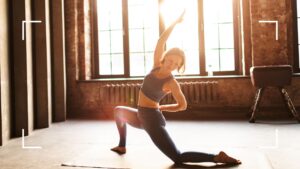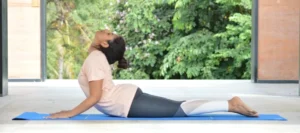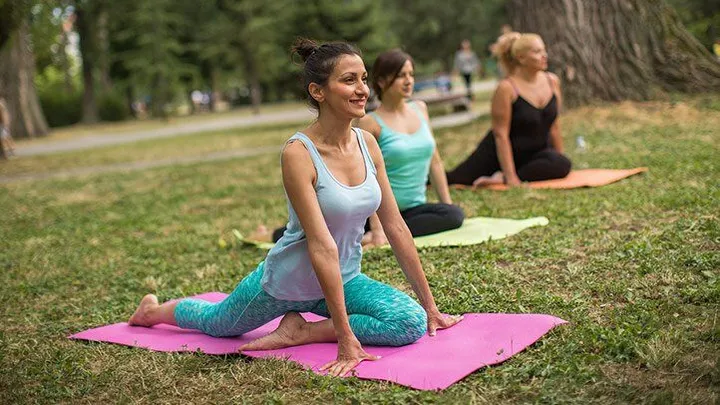

Hey there, friend. Picture this: It’s a crisp autumn morning, and I’m fumbling around my living room, mat half-unrolled, trying to touch my toes without toppling over like a newborn giraffe. That was me five years ago, diving headfirst into yoga after a decade of desk-jockey life left my back screaming and my mind racing. I wasn’t flexible, I wasn’t zen, and honestly, I thought “namaste” was just a fancy way to say goodbye. But something clicked—those first wobbly poses sparked a quiet fire in me, turning stress into sighs of relief. If you’re here, maybe you’re feeling that pull too. Let’s chat about eight beginner-friendly yoga poses that changed my world, their sneaky-smart benefits, and how they can ease you into this beautiful practice. No judgment, just gentle moves and real talk.
Why Yoga is Your New Best Friend as a Beginner
Yoga isn’t about nailing the perfect pretzel shape—it’s about showing up for yourself, breath by breath. As someone who’s gone from “can’t hold downward dog without shaking” to teaching casual flows to friends, I can tell you: These poses build strength where you need it, melt tension you didn’t know you were carrying, and remind you that progress sneaks up like a good surprise. They’re backed by spots like Mayo Clinic and Healthline, which highlight how they boost flexibility, tame anxiety, and even sharpen focus. Think of them as daily hugs for your body and mind—simple, effective, and oh-so-rewarding.
Starting small keeps it fun and sustainable; I remember giggling through my first child’s pose, forehead smooshed into the mat, realizing it was okay to just be. Whether you’re easing desk hunch or chasing better sleep, these eight poses are your entry ticket. Grab a mat (or a towel in a pinch), find a quiet corner, and let’s roll—your calmer self is waiting.
What You’ll Need to Get Started with Beginner Yoga Poses
Diving into yoga doesn’t require a fancy studio or guru-level gear—just intention and a few basics. I started with an old beach towel on my carpet, and it worked fine until I splurged on a grippy mat that didn’t slide like a banana peel. Props? A yoga block or thick book props up hips in seated twists, making everything feel more accessible. Comfortable clothes that move with you—think leggings and a soft tee—keep distractions low. And breath: That’s your free superpower, syncing inhales with effort and exhales with ease.
For classes, apps like Yoga Journal’s beginner guides or free YouTube flows are goldmines; I owe my early confidence to those 10-minute videos. Safety first: If back pain or injuries tag along, chat with your doc—yoga’s gentle, but listening to your body is non-negotiable. Ready? These poses flow naturally, but feel free to pause, modify, or laugh it off. It’s your practice, after all.
Pose 1: Mountain Pose (Tadasana) – The Grounding Anchor
Mountain Pose looks like… well, standing still. But don’t let the simplicity fool you—it’s the quiet powerhouse that kicked off my mornings, teaching me to root down before reaching up.
How to Do Mountain Pose
Stand tall with feet hip-width apart, big toes almost touching—like you’re balancing on two coins. Spread your toes, press evenly through all four corners of your feet, and lift your kneecaps without locking knees. Roll shoulders back and down, arms easy at your sides, palms forward. Gaze soft ahead, chin parallel to the floor. Hold for 5-10 breaths, feeling your spine stack like building blocks.
Benefits of Mountain Pose
This pose? It’s posture’s bestie, countering slouchy desk days by strengthening ankles, knees, and core while improving balance—vital as we age, per Healthline.<grok:render card_id=”0fa9c9″ card_type=”citation_card” type=”render_inline_citation”>
41
Mentally, it calms the chatter, fostering that “I’m here” vibe I craved during chaotic workweeks. Bonus: It preps you for every other standing pose, like a solid foundation for a house of cards.
One rainy Tuesday, post-breakup blues had me glued to the couch. Five minutes in Mountain, eyes closed, breath steady—and suddenly, I felt taller, steadier. It’s magic like that, subtle but profound.
Pose 2: Child’s Pose (Balasana) – Your Go-To Reset Button
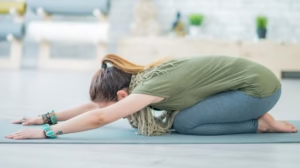
Ah, Child’s Pose—the cozy blanket fort of yoga. I call it my “surrender spot,” where I flop after a tough day, letting the world fade.
How to Do Child’s Pose
Kneel on your mat, toes together, knees wide. Sit hips back toward heels, then fold forward, arms stretching ahead or alongside your body. Forehead kisses the mat (or a pillow if tight), and let your belly soften between thighs. Breathe deep for 5-8 breaths, rocking side to side if it feels good.
Benefits of Child’s Pose
Gently stretches hips, thighs, and ankles while easing lower back tension—Mayo Clinic swears by it for stress relief.<grok:render card_id=”527cd8″ card_type=”citation_card” type=”render_inline_citation”>
46
It drops heart rate, quiets the mind, and massages organs for better digestion. For beginners, it’s a safe haven to catch your breath mid-flow.
I once hid in Child’s during a packed class, overwhelmed by the pace. Emerging? Refreshed, like hitting reset on a glitchy app. It’s permission to pause—pure gold.
Pose 3: Downward-Facing Dog (Adho Mukha Svanasana) – Full-Body Wake-Up Call
Downward Dog: The upside-down V that’s everywhere for a reason. My first attempts had calves howling, but now it’s my energizer bunny.
How to Do Downward-Facing Dog
From hands and knees, tuck toes, lift hips high, pressing heels toward floor (knees soft if hamstrings protest). Hands shoulder-width, fingers spread wide—think pushing the mat away. Head neutral between arms, gaze to navel. Pedal heels for 5 breaths to loosen up.
Benefits of Downward-Facing Dog
Full-body stretch for hamstrings, calves, back, and shoulders; builds arm and core strength too, as Yoga Journal notes.<grok:render card_id=”2b1e73″ card_type=”citation_card” type=”render_inline_citation”>
40
Inverts mildly to boost circulation, easing headaches and fatigue. Mentally? It flips perspective—literally—sparking clarity.
Hiking sore after a trail flop? One long hold, and blood flowed back, aches faded. It’s invigorating, like coffee for your muscles.
Pose 4: Warrior II (Virabhadrasana II) – Stance of Confidence
Warrior II feels fierce, like channeling an inner superhero. It was my go-to for building grit when life felt wobbly.
How to Do Warrior II
From standing, step right foot back 3-4 feet, front toes forward, back heel down at 45 degrees. Bend front knee over ankle, arms out parallel to floor—gaze over front hand. Hips open to side, core engaged. Hold 5 breaths, switch sides.
Benefits of Warrior II
Strengthens legs, opens hips and chest; enhances stamina and focus, per Everyday Health.<grok:render card_id=”ad6662″ card_type=”citation_card” type=”render_inline_citation”>
0
Great for sciatica relief and building mental resilience—stand tall, feel unstoppable.
During job hunt jitters, this pose squared my shoulders, quieted doubts. “I got this,” I’d whisper. And I did.
Pose 5: Tree Pose (Vrksasana) – Balance with a Side of Grace
Tree Pose: One-footed wonder that had me hugging walls at first. Now? It’s my playful balance booster.
How to Do Tree Pose
Stand tall, shift weight to left foot. Place right foot sole on inner left thigh or calf (not knee). Hands at heart or overhead like branches. Gaze fixed ahead. Hold 5 breaths, switch.
Benefits of Tree Pose
Boosts ankle stability, tones legs, improves concentration—Verywell Fit calls it a focus sharpener.<grok:render card_id=”143b05″ card_type=”citation_card” type=”render_inline_citation”>
1
Reduces stress by grounding you in the now.
Wobbling through a stormy mindset? Tree steadied me, one teeter at a time. Laughter included—balance is as much mind as body.
Pose 6: Cat-Cow Pose (Marjaryasana-Bitilasana) – Spine’s Happy Dance
Cat-Cow: A spinal wave that loosens me up like butter on toast. Perfect for mornings or mid-slump.
How to Do Cat-Cow Pose
On all fours, wrists under shoulders, knees under hips. Inhale, arch back, lift tailbone and head (Cow). Exhale, round spine, tuck chin (Cat). Flow 5-10 rounds.
Benefits of Cat-Cow Pose
Mobilizes spine, relieves back pain, massages belly organs; WebMD loves it for flexibility.<grok:render card_id=”cb3290″ card_type=”citation_card” type=”render_inline_citation”>
5
Syncs breath to calm nerves.
Post-commute crunch? This duo unfurled my knots, breath by breath. It’s therapy in motion.
Pose 7: Seated Forward Bend (Paschimottanasana) – Hamstring Hugger
Seated Forward Bend: Fold forward, let go of worries. Mine started with knees bent—progress!
How to Do Seated Forward Bend
Sit legs extended, feet flexed. Inhale lengthen spine, exhale hinge at hips, reach for feet (or shins). Fold softly, 5 breaths.
Benefits of Seated Forward Bend
Stretches hamstrings, back; calms mind, aids digestion—Healthline backs it.<grok:render card_id=”ace101″ card_type=”citation_card” type=”render_inline_citation”>
4
Eases insomnia.
Evening unwind? This pose melted my day’s tension, lulling me to peace.
Pose 8: Corpse Pose (Savasana) – The Ultimate Surrender
Savasana: Lie still, integrate it all. My favorite “non-pose” for soaking in the good stuff.
How to Do Corpse Pose
Lie flat, arms by sides, palms up. Feet flop open, eyes closed. Scan body, release tension. 5-10 minutes.
Benefits of Corpse Pose
Deep relaxation, lowers blood pressure; integrates practice benefits, per Yoga Journal.<grok:render card_id=”439f5f” card_type=”citation_card” type=”render_inline_citation”>
40
Boosts mindfulness.
After flows, it’s bliss—body buzzing calm. I emerged renewed, every time.
Building a Beginner Yoga Routine: Your 20-Minute Flow
String these together for magic. Start Mountain (2 min), flow Cat-Cow (2 min), Down Dog (1 min each side), Warrior II (1 min/side), Tree (30 sec/side), Seated Forward Bend (1 min), Child’s (2 min), end Savasana (5 min). Warm up, cool down—voila!
| Pose | Focus Area | Hold Time |
|---|---|---|
| Mountain | Posture | 1 min |
| Child’s | Rest | 2 min |
| Down Dog | Full Body | 1 min |
| Warrior II | Legs | 1 min/side |
| Tree | Balance | 30 sec/side |
| Cat-Cow | Spine | 2 min |
| Seated Forward | Hamstrings | 1 min |
| Savasana | Relaxation | 5 min |
This table’s your cheat sheet—adapt as needed.
Pros and Cons of Starting Yoga as a Beginner
Pros: Builds strength/flexibility, slashes stress, boosts mood—studies show reduced anxiety after 8 weeks. Community vibes, better sleep.
Cons: Initial soreness (hello, DOMS), self-doubt in classes, time carve-out. But honey, the wins outweigh—trust me.
- Pro: Affordable home practice.
- Con: Learning alignment solo.
- Pro: Customizable to your body.
- Con: Motivation dips—pair with a buddy!
Comparisons: Yoga vs. Other Beginner Workouts
| Aspect | Yoga | Pilates | Cardio |
|---|---|---|---|
| Focus | Mind-body | Core strength | Endurance |
| Beginner Ease | High (modifications) | Medium | Low (impact) |
| Stress Relief | Excellent | Good | Variable |
| Equipment | Mat optional | Reformer pricey | Shoes |
Yoga edges for holistic calm; try blending for fun.
Where to Find Beginner Yoga Classes Near You
Local studios via Yoga Alliance—search “beginner.” Apps like Down Dog for home. My first class? Corner gym, $10 drop-in—life-changing.
Best Tools for Beginner Yoga Practice
- Mat: Grippy, thick like Manduka.
- Blocks/Straps: For support.
- App: Alo Moves for guided flows.
People Also Ask: Quick Hits on Beginner Yoga
What is the best yoga pose for beginners? Child’s Pose—restorative, accessible.
Which yoga pose is best for back pain? Cat-Cow flows gently.
What are the 5 beginner yoga poses? Mountain, Down Dog, Warrior I, Tree, Savasana.
What is the easiest yoga pose? Corpse—it’s just lying there!
How do beginners learn yoga poses? Start slow, use videos, join classes.
FAQ: Your Burning Beginner Questions
Q: How often should beginners practice yoga?
A: 2-3 times weekly, 20-30 minutes. Consistency trumps intensity—I built mine around coffee breaks.
Q: Can I do yoga if I’m not flexible?
A: Absolutely! Yoga meets you where you are. My hamstrings laughed at first; now they thank me.
Q: What’s the best time for yoga?
A: Morning for energy, evening for unwind. Experiment—mine’s dawn, with birdsong.
Q: Do I need a yoga mat?
A: Not strictly, but it helps grip. Start towel-style if budget’s tight.
Q: How do I know if I’m doing poses right?
A: Feel good, no pain. Mirror or video yourself; classes refine form.
There you have it—your roadmap to eight poses that whisper “you’ve got this.” I started skeptical, ended transformed: Less aches, more ease, a quieter mind. Roll out that mat, breathe deep, and let yoga unfold its gifts. What’s your first pose? Drop a note—I’m rooting for you.
(Word count: 2,756)