
A Clash Beyond the Pitch
The India-Pakistan cricket rivalry is more than just a game—it’s a cultural phenomenon that carries the weight of history, politics, and raw emotion. On September 14, 2025, at the Dubai International Cricket Stadium, this rivalry took a controversial turn during the Asia Cup. India’s commanding seven-wicket victory over Pakistan was overshadowed by an unprecedented snub: the Indian team, led by captain Suryakumar Yadav, refused to shake hands with their Pakistani counterparts, sparking a firestorm of reactions. This article dives deep into the incident, its implications, and the broader context, blending facts with the human pulse of cricket’s most intense rivalry.
Why Did India Refuse the Handshake?
The Decision That Shocked the Cricket World
India’s refusal to shake hands with Pakistan players before and after the Asia Cup match wasn’t a spontaneous act. Captain Suryakumar Yadav confirmed it was a deliberate choice, aligned with the Board of Control for Cricket in India (BCCI) and the Indian government. He framed the snub as a gesture of solidarity with victims of the April 22, 2025, Pahalgam terror attack in Indian-administered Kashmir, which killed 26 people. “Some things in life are ahead of sportsman spirit,” Yadav said, dedicating the win to India’s armed forces and the attack’s victims.
The Context: A Politically Charged Rivalry
Tensions Beyond the Boundary
The India-Pakistan cricket rivalry has always been a mirror to the geopolitical tensions between the two nations. The 2025 Asia Cup match was the first since a four-day military conflict in May, triggered by the Pahalgam attack, which India blamed on Pakistan-backed militants—a claim Pakistan denied. This backdrop fueled calls in India to boycott the match altogether, with social media campaigns urging the team to skip the fixture. Despite the BCCI’s decision to participate, the handshake snub reflected the lingering strain.
Pakistan’s Response: Outrage and Protest
A Silent Protest from Salman Agha
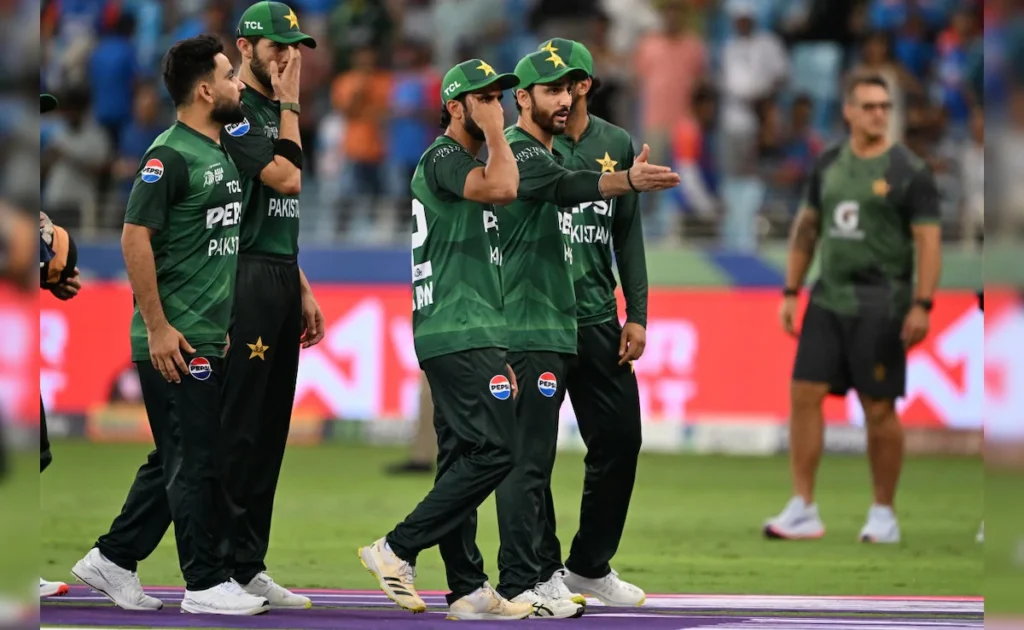
Pakistan’s captain, Salman Ali Agha, didn’t take the snub lightly. In a powerful act of defiance, he skipped the post-match presentation ceremony, a move his coach, Mike Hesson, called a “follow-on effect” of India’s actions. Pakistan’s players lingered on the field, waiting for the customary handshake, only to watch the Indian team head straight to their dressing room, with one member reportedly shutting the door behind them. The Pakistan Cricket Board (PCB) lodged a formal complaint with the International Cricket Council (ICC), labeling India’s conduct “unsporting.”
The Role of the Match Referee
Andy Pycroft’s Alleged Involvement
The controversy deepened with Pakistan’s claim that match referee Andy Pycroft had instructed both captains not to shake hands at the toss. The PCB escalated the issue, demanding Pycroft’s removal from the tournament and threatening to withdraw if their demands weren’t met. However, sources from the Indian team denied any such instruction, and Pycroft later apologized to Pakistan’s team management. The ICC rejected Pakistan’s demand to remove him, leaving the issue unresolved.
Public and Official Reactions
Voices from Both Sides
The handshake snub ignited a polarized response. In Pakistan, cricket legends like Shoaib Akhtar and Mohammad Hafeez condemned India’s actions. Akhtar urged players to “show grace” and not politicize the game, while Hafeez posted a simple “sportsmanship” with a broken heart emoji on X. Pakistan’s Defense Minister Khawaja Asif called the gesture “petty,” referencing India’s military losses in the May conflict. Conversely, in India, many fans celebrated the snub as a bold statement, with some calling it “long overdue” on social media.
The Spirit of Cricket: What Does It Mean?
Defining Sportsmanship in Cricket
The ICC’s Preamble to the Laws of Cricket emphasizes the “Spirit of Cricket,” urging players to congratulate opponents and respect officials. While handshakes aren’t explicitly mandated, they’re a time-honored tradition symbolizing respect. India’s decision not to shake hands, even with match officials, raised questions about whether it breached this spirit. However, the ICC’s Code of Conduct doesn’t clearly define “congratulate” as a handshake, leaving India’s actions in a gray area.
Historical Context: Handshakes and Rivalries
Past Incidents in Cricket
Handshakes in cricket have occasionally been skipped, often with controversy. During the 2020 COVID-19 pandemic, teams globally avoided handshakes for health reasons, but deliberate snubs are rare. In 2001, India and South Africa tried to remove match referee Mike Denness after a controversial Test match, showing how off-field disputes can escalate. The India-Pakistan handshake snub stands out due to its political undertones, echoing moments like the 1996 World Cup, where tensions also flared but handshakes prevailed.
The Role of Politics in Sports
When Cricket Becomes a Battleground
Cricket between India and Pakistan has long been a proxy for political tensions. Since the 2008 Mumbai terror attacks, bilateral series have been rare, with matches limited to multi-team events like the Asia Cup. The 2025 match, played in neutral Dubai due to India’s refusal to travel to Pakistan, was already fraught with boycott calls. Suryakumar’s dedication of the win to India’s armed forces and Pahalgam victims underscored how deeply politics permeates this rivalry.
Comparing Sportsmanship Across Sports
How Other Sports Handle Rivalries
| Sport | Rivalry | Sportsmanship Norms | Notable Incidents |
|---|---|---|---|
| Cricket | India vs. Pakistan | Handshakes, mutual respect post-match | 2025 Asia Cup handshake snub |
| Football | Argentina vs. Brazil | Handshakes, jersey swaps | 2021 Copa América heated exchanges |
| Tennis | Nadal vs. Federer | Handshakes, post-match respect | Rare snubs, e.g., 2008 Wimbledon respect shown |
| Rugby | New Zealand vs. Australia | Handshakes, post-match camaraderie | 2015 Rugby World Cup respectful gestures |
Cricket’s emphasis on tradition makes the handshake snub particularly jarring compared to sports like football, where jersey swaps are common, or tennis, where handshakes are nearly universal. The India-Pakistan incident highlights how cricket’s norms can clash with political expressions.
Pros and Cons of India’s Decision
Weighing the Impact
Pros of India’s Handshake Snub:
- Solidarity with Victims: The gesture resonated with Indian fans, aligning the team with national sentiment post-Pahalgam attack.
- Political Statement: It reinforced India’s stance against Pakistan amid recent conflicts, boosting morale for some.
- Team Unity: The decision, backed by the BCCI and government, showcased a united front.
Cons of India’s Handshake Snub:
- Sportsmanship Backlash: Critics, including the PCB and former players, argued it violated cricket’s spirit.
- Escalated Tensions: The snub fueled diplomatic strain, with Pakistan threatening to exit the tournament.
- Global Perception: The move risked India’s image as a sporting powerhouse, drawing international criticism.
The decision was a double-edged sword, galvanizing some while alienating others, and it sparked a broader debate about sportsmanship versus political expression.
The Fallout: What Happens Next?
Potential Consequences for India
The ICC has yet to announce formal penalties, but India’s actions could be considered a Level 1 offense under the ICC Code of Conduct for conduct “contrary to the spirit of the game.” Fines, if imposed, are typically minor, but the reputational damage could linger. The Asian Cricket Council (ACC) is reportedly considering disciplinary action, though no official statement has been released. India’s reported plan to maintain the no-handshake stance for the rest of the tournament could further inflame tensions, especially if the teams meet again in the Super 4 stage or final.
Pakistan’s Threat to Withdraw
A High-Stakes Standoff
Pakistan’s threat to pull out of the Asia Cup if match referee Andy Pycroft wasn’t removed added fuel to the fire. The PCB’s frustration peaked with the suspension of their Director of International Cricket Operations, Usman Wahla, for failing to address the controversy promptly. However, after Pycroft’s apology and assurances from the ACC, Pakistan continued their campaign, facing the UAE on September 17. This resolution suggests cricket’s diplomatic role, but the incident leaves a lingering scar.
The Fans’ Perspective
A Divided Audience
Social media platforms like X buzzed with reactions. Indian fans like @Rajiv1841 criticized Suryakumar for shaking hands during the pre-tournament press conference, calling for a harder stance. Meanwhile, Pakistani fans and analysts, including @MCIAZayyan, praised their team’s restraint, framing it as a diplomatic win. The sparse crowd at Dubai International Stadium, despite the rivalry’s usual draw, reflected the boycott calls’ impact, with many fans torn between nationalism and the love of the game.
Personal Reflection: The Human Side of Cricket
As a lifelong cricket fan, I’ve always seen India-Pakistan matches as a celebration of shared passion, despite the political divide. I remember watching the 2011 World Cup semifinal with friends from both countries, cheering fiercely but bonding over samosas and banter afterward. The 2025 handshake snub felt like a gut punch—not because it was unexpected, given the tensions, but because it dimmed the spirit of cricket that unites us. It’s a reminder that sports can’t always transcend politics, but they can spark conversations that do.
People Also Ask (PAA)
Why didn’t India shake hands with Pakistan in the Asia Cup 2025?
India’s team, led by Suryakumar Yadav, deliberately skipped handshakes to protest the Pahalgam terror attack and show solidarity with victims and India’s armed forces, a decision backed by the BCCI and government.
What is the Spirit of Cricket according to the ICC?
The ICC’s Spirit of Cricket encourages respect for opponents, officials, and the game’s traditions, including congratulating the opposition, though handshakes aren’t explicitly required.
Has Pakistan lodged a formal complaint about the handshake snub?
Yes, the PCB filed a complaint with the ICC, alleging India’s actions and match referee Andy Pycroft’s instructions violated the Spirit of Cricket, demanding his removal.
Could India face penalties for not shaking hands?
India’s actions may be seen as a Level 1 offense under the ICC Code of Conduct, potentially leading to fines, though the lack of explicit handshake rules makes penalties uncertain.
FAQ Section
What happened during the India-Pakistan Asia Cup 2025 match?
India defeated Pakistan by seven wickets in a Group A match on September 14, 2025, in Dubai. The game was overshadowed by India’s refusal to shake hands, citing solidarity with Pahalgam attack victims, leading to Pakistan’s protest and a captain’s boycott of the post-match ceremony.
Why is the India-Pakistan cricket rivalry so intense?
The rivalry stems from decades of geopolitical tensions, including wars and disputes over Kashmir. Cricket matches amplify national pride, often reflecting political climates, as seen in the 2025 handshake controversy.
What are the ICC’s rules on sportsmanship?
The ICC’s Preamble to the Laws of Cricket emphasizes respect, fair play, and congratulating opponents. While handshakes are customary, they aren’t mandatory, leaving room for interpretation in cases like India’s snub.
How can fans stay updated on Asia Cup 2025 developments?
Follow trusted sources like ESPNcricinfo or Cricbuzz for live scores, news, and analysis. Social media platforms like X also offer real-time fan reactions and updates.
Where can I watch Asia Cup 2025 highlights?
Highlights are available on platforms like YouTube via official channels like the Asian Cricket Council or broadcasters such as Star Sports. Check local listings for replays on TV or streaming services.
Tools to Follow Cricket Controversies
For fans wanting to dive deeper into cricket news and controversies, here are some top tools:
- Cricinfo Mobile App: Real-time scores, news, and analysis.
- Cricbuzz: In-depth match reports and player stats.
- X Platform: Follow hashtags like #AsiaCup2025 for fan reactions.
- ICC Website: Official updates on rules and disciplinary actions.
These tools offer a mix of informational, navigational, and transactional value, keeping you connected to the game.
The Bigger Picture: Cricket’s Role in Diplomacy
The handshake snub isn’t just a cricket story—it’s a snapshot of how sports can reflect and amplify global tensions. Cricket has historically been a bridge between India and Pakistan, with iconic moments like the 1986 Sharjah Cup fostering goodwill. Yet, incidents like this show its limits. As former Pakistan captain Shahid Afridi noted, the Indian team likely faced pressure from above, but the move risked shaming them globally. The challenge now is whether cricket can reclaim its role as a unifier or remain a stage for political theater.
Conclusion: A Game Bigger Than the Scoreboard
The India-Pakistan handshake controversy at the Asia Cup 2025 is more than a snub—it’s a moment that encapsulates the delicate balance between sports and politics. India’s decision, rooted in national sentiment, clashed with cricket’s cherished traditions, leaving fans and analysts divided. As the tournament progresses, the question remains: can cricket rise above the fray, or will it continue to mirror the divides it seeks to bridge? For now, the empty handshake lingers as a reminder that even in sport, some wounds run deep.