
Hockey is a thrilling, fast-paced sport that combines strategy, skill, and sheer physicality. Whether you’re lacing up skates for the first time or cheering from the stands, understanding the rules of hockey is key to fully enjoying the game. This guide dives deep into the essentials of how to play hockey, covering everything from basic rules to advanced strategies, equipment needs, and tips for getting started. With a blend of practical advice, real-world examples, and a touch of humor, this article will equip you with the knowledge to hit the ice with confidence—or at least impress your friends during the next game night.
What Is Hockey? A Quick Overview
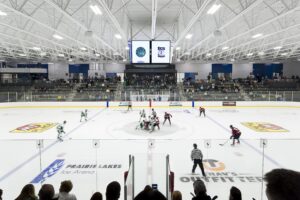
Hockey, often referred to as ice hockey in North America, is a team sport played on a sheet of ice where players use sticks to maneuver a small rubber puck into the opponent’s goal. It’s a game of speed, precision, and teamwork, with two teams of six players (including a goaltender) battling it out over three periods. The objective? Score more goals than your opponent while defending your own net. From the NHL to local rinks, hockey’s universal appeal lies in its blend of athleticism and strategy.
The Basics of Hockey: Rules You Need to Know
To play hockey, you need to understand its core rules. These govern everything from how the game starts to what happens when someone breaks the rules. Let’s break it down into digestible pieces.
The Rink: Your Playing Field
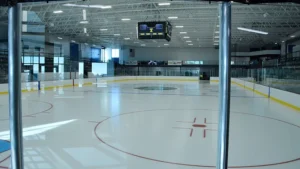
The hockey rink is a rectangular ice surface, typically 200 feet long and 85 feet wide in professional games, though dimensions can vary slightly in amateur leagues. It’s divided into three zones: the defensive zone (where your team defends the goal), the neutral zone (the middle of the rink), and the attacking zone (where you try to score). Key features include the faceoff circles, goal creases, and blue lines, which dictate player movement and gameplay rules.
Game Structure: Periods and Timing
A standard hockey game consists of three 20-minute periods, with a 15-minute intermission between each. If the score is tied at the end of regulation time, overtime or a shootout may decide the winner, depending on the league. For example, the NHL uses a 5-minute sudden-death overtime followed by a shootout, while playoff games extend overtime until a goal is scored. Time stops for stoppages like penalties or icing calls, making actual game time longer than the clock suggests.
Players and Positions
Each team fields six players at a time: three forwards (center, left wing, right wing), two defensemen, and one goaltender. Forwards focus on scoring, defensemen prioritize protecting their goal, and the goaltender is the last line of defense. Substitutions happen on the fly, meaning players can swap out during active play, adding to the game’s relentless pace.
Scoring in Hockey
A goal is scored when the puck crosses the goal line into the net. Each goal counts as one point, regardless of how it’s scored (e.g., slapshot, deflection, or even an accidental own goal). The team with the most goals at the end of the game wins. Sounds simple, right? But as any player will tell you, getting that puck past a skilled goaltender is like trying to thread a needle during a sprint.
Key Rules and Infractions
Hockey’s rules keep the game fair and safe—mostly. Violations lead to penalties, stoppages, or other consequences. Here’s a rundown of the most important ones.
Offside
A player is offside if they enter the attacking zone (past the blue line) before the puck does. This prevents players from camping out near the opponent’s goal. When offside is called, play stops, and a faceoff occurs in the neutral zone. Think of it as hockey’s way of saying, “No cutting in line!”
Icing
Icing happens when a player shoots the puck from their side of the center red line across the opponent’s goal line without it being touched. The result? Play stops, and a faceoff occurs in the offending team’s defensive zone. Icing keeps teams from lazily dumping the puck to kill time.
Penalties
Penalties are hockey’s version of a time-out for bad behavior. Common infractions include tripping, hooking, slashing, or high-sticking (hitting an opponent with your stick above their shoulders). Minor penalties result in a two-minute stint in the penalty box, leaving your team shorthanded. Major penalties, like fighting, can last five minutes or lead to ejection. The opposing team gets a power play, increasing their scoring chances.
| Penalty Type | Duration | Description |
|---|---|---|
| Minor Penalty | 2 minutes | Common infractions like tripping or hooking. |
| Major Penalty | 5 minutes | Serious offenses like fighting or boarding. |
| Misconduct | 10 minutes | Severe rule-breaking, but the team isn’t shorthanded. |
| Game Misconduct | Ejection | Player is removed from the game. |
Faceoffs
Faceoffs start or restart play, occurring at the beginning of each period or after stoppages like icing or penalties. Two opposing players square off at a faceoff dot, and the referee drops the puck. It’s a mini-battle for control, requiring quick reflexes and strategy. Fun fact: I once watched a junior league faceoff where the center was so nervous he accidentally knocked the puck into his own skate—talk about an embarrassing start!
Equipment: Gearing Up for the Ice
Hockey isn’t a sport you can just jump into with sneakers and a stick. The right gear keeps you safe and enhances performance. Here’s what you’ll need:
- Skates: Properly fitted ice skates are essential for speed and agility. Beginner tip: Don’t buy skates too big thinking you’ll “grow into them”—tight fit equals better control.
- Stick: Your stick should feel like an extension of your arm. Choose one based on your height, position, and playing style (e.g., forwards prefer lighter sticks for quick shots).
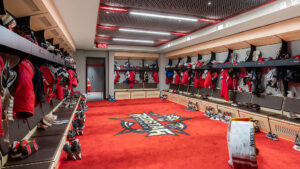
- Protective Gear: This includes a helmet (with a cage or visor), shoulder pads, elbow pads, gloves, shin guards, and a padded hockey pant. Don’t skimp here—those pucks move fast!
- Goaltender Equipment: Goalies need specialized gear like leg pads, a catching glove, a blocker, and a mask. It’s bulky but designed to stop pucks flying at 100+ mph.
- Puck: A standard hockey puck is a 3-inch rubber disc weighing about 6 ounces. It’s small but mighty—trust me, you don’t want to take one to the shin without pads.
For beginners, renting gear from a local rink or buying used equipment from sites like SidelineSwap can save money. Pro tip: Always check for proper fit, especially with helmets. A loose helmet during a collision is about as useful as a paper towel in a rainstorm.
How to Play: Skills and Strategies
Playing hockey requires mastering a mix of individual skills and team strategies. Let’s explore the essentials.
Skating: The Foundation of Hockey
Skating is the heart of hockey. You’ll need to master forward and backward skating, quick stops, and sharp turns. Beginners should focus on balance and stride efficiency—think of it like learning to dance on ice, but with a stick and a lot more contact. Practice drills like crossovers (crossing one foot over the other to turn) and edge control to build confidence.
Stickhandling and Passing
Stickhandling is the art of controlling the puck with your stick. It’s like dribbling in basketball but on ice and at breakneck speed. Passing is equally critical—accurate passes set up scoring plays. A personal story: my first attempt at a saucer pass (a pass that lifts the puck slightly off the ice) ended with the puck sailing into the stands. Practice makes perfect!
Shooting
There are several types of shots in hockey:
- Wrist Shot: Quick and accurate, great for close-range scoring.
- Slap Shot: A powerful, long-range shot that’s a fan favorite but harder to control.
- Snapshot: A hybrid of the wrist and slap shot, balancing speed and accuracy.
- Backhand: A tricky shot using the back of the stick, perfect for catching goalies off guard.
To improve, practice shooting on a backyard net or at open skate sessions. Aim for the corners of the net—goalies hate those spots.
Team Play and Positioning
Hockey is a team sport, and positioning is everything. Forwards should stay aggressive in the attacking zone, while defensemen cover gaps and block shots. Communication is key—call out plays or warn teammates of incoming opponents. A well-coordinated team moves like a flock of birds, shifting seamlessly between offense and defense.
Getting Started: Tips for Beginners
Ready to hit the ice? Here’s how to start your hockey journey.
Find a Local Rink or League
Search for nearby ice rinks or community leagues through sites like USA Hockey or Hockey Canada. Many rinks offer “Learn to Play” programs for beginners, complete with coaching and gear rentals. These programs are a great way to build skills in a supportive environment.
Take Skating Lessons
If you’re new to ice skating, sign up for lessons before joining a team. Most rinks offer group or private lessons for all ages. Mastering skating first will make learning hockey-specific skills much easier.
Join a Beginner Team
Look for adult or youth recreational leagues, often called “beer leagues” for adults due to their laid-back vibe. These leagues prioritize fun over competition, making them perfect for newbies. Websites like Meetup or local rink bulletin boards can connect you with teams.
Watch and Learn
Watching professional games, like those in the NHL, can teach you a lot about strategy and flow. Stream games on platforms like ESPN+ or TSN, or check out highlight reels on YouTube. Pay attention to how players position themselves and execute plays.
| Resource | Purpose | Where to Find |
|---|---|---|
| USA Hockey | Find local programs and rinks | usahockey.com |
| Hockey Canada | Resources for Canadian players | hockeycanada.ca |
| SidelineSwap | Buy used hockey gear | sidelineswap.com |
| NHL Streams | Watch professional games | espn.com, tsn.ca |
Pros and Cons of Playing Hockey
Like any sport, hockey has its highs and lows. Here’s a quick comparison to help you decide if it’s right for you.
Pros
- Physical Fitness: Hockey is a full-body workout, improving cardio, strength, and coordination.
- Team Camaraderie: The bonds formed with teammates are lifelong—there’s nothing like celebrating a goal together.
- Mental Benefits: The fast pace sharpens decision-making and focus.
- Fun Factor: Few sports match hockey’s adrenaline rush.
Cons
- Cost: Equipment and ice time can be expensive, especially for beginners.
- Physical Risk: Injuries like bruises or sprains are common, though proper gear minimizes risks.
- Time Commitment: Practices, games, and travel can eat into your schedule.
- Learning Curve: Skating and stickhandling take time to master.
People Also Ask (PAA) Section
What are the basic rules of hockey?
Hockey is played with two teams of six players trying to score by shooting a puck into the opponent’s net. Key rules include staying onside, avoiding icing, and following penalty guidelines to ensure fair play.
How long is a hockey game?
A standard game lasts 60 minutes, split into three 20-minute periods, with intermissions. Overtime or shootouts may extend the game if tied.
What equipment do you need for hockey?
Players need skates, a stick, a helmet, and protective gear like shoulder pads, gloves, and shin guards. Goalies require specialized equipment like leg pads and a mask.
Is hockey hard to learn?
Hockey has a steep learning curve due to skating and stickhandling, but with practice and coaching, beginners can pick it up. Start with skating lessons to build a strong foundation.
FAQ Section
How many players are on a hockey team?
A hockey team typically has 20–23 players on the roster, but only six (including the goaltender) play at a time. Substitutions happen frequently during play.
Can adults start playing hockey?
Absolutely! Many rinks offer adult beginner leagues or “Learn to Play” programs. It’s never too late to start, and the community is welcoming to new players.
What’s the difference between ice hockey and field hockey?
Ice hockey is played on ice with skates and a puck, while field hockey is played on grass or turf with a ball and no skates. Ice hockey is faster and more physical.
How can I improve my hockey skills?
Practice skating, stickhandling, and shooting regularly. Join a team for game experience, watch professional games for strategy, and consider private coaching for personalized feedback.
Where can I buy hockey equipment?
Check local sports stores, online retailers like Pure Hockey, or used gear platforms like SidelineSwap. Renting gear from rinks is also a budget-friendly option for beginners.
Conclusion: Lace Up and Hit the Ice
Hockey is more than a sport—it’s a community, a workout, and an adrenaline-pumping adventure all rolled into one. By understanding the rules, gearing up properly, and practicing key skills like skating and stickhandling, you’ll be ready to take on the ice. Whether you’re dreaming of NHL glory or just want to have fun with friends, hockey offers something for everyone. So grab your stick, find a local rink, and start your journey today. Who knows? You might just score the game-winning goal—or at least avoid tripping over the blue line.