
Ice skating is a magical winter activity that brings joy, exercise, and a sense of accomplishment to kids and adults alike. Whether you’re guiding your child onto the rink for the first time or helping a friend glide confidently, teaching safe ice skating is both rewarding and challenging. As someone who spent countless winters at the local rink, watching my cousins wobble, fall, and eventually soar across the ice, I’ve learned that safety is the foundation of fun. In this 2,500-word guide, I’ll share 10 practical tips to teach ice skating safely, ensuring beginners build confidence while avoiding common pitfalls. Packed with actionable advice, personal anecdotes, and SEO-optimized insights, this article is your go-to resource for creating memorable and injury-free skating experiences.
Why Teaching Safe Ice Skating Matters
Ice skating isn’t just about gliding gracefully; it’s about building physical confidence and coordination in a potentially risky environment. A single fall on hard ice can lead to bruises, sprains, or even concussions, making safety paramount. By focusing on proper techniques and precautions, you can transform a beginner’s wobbly first steps into a lifelong passion. Let’s dive into the 10 quick tips that will make you a trusted guide on the ice.
The Risks of Ice Skating Without Proper Guidance
Without proper instruction, beginners are prone to injuries like wrist sprains, ankle twists, or head bumps. A 2016 study noted that approximately 10,000 children ages 5–14 are treated annually in U.S. emergency rooms for ice skating-related injuries. Teaching safely reduces these risks significantly.
Tip 1: Choose the Right Skates for Safety and Comfort
The foundation of safe skating starts with properly fitted skates. Ill-fitting skates can cause blisters, reduce balance, and increase fall risks. When I first took my cousin Emma skating, her rental skates were too loose, and she wobbled like a newborn deer. A snug fit changed everything.
How to Find the Perfect Skate Fit
Visit a reputable rink or skate shop to try on skates, ensuring they’re snug but not painful, with no extra room in the heel or ankle. For kids, adjustable skates like the Lake Placid Summit are ideal, growing with them for multiple seasons. Always wear one pair of medium-weight socks to prevent blisters.
Skate Fit Checklist
- Snugness: Skates should feel tighter than regular shoes, like a ski boot.
- Ankle Support: Ensure ankles don’t bow inward or outward.
- Toe Room: Toes should wiggle slightly but not slide forward.
- Blade Sharpness: Check that blades are sharp for better grip.
Tip 2: Dress for Warmth and Protection
Ice rinks are cold, and falls are inevitable, so dressing appropriately is crucial. My first time skating, I wore jeans and a thin jacket, shivering and bruised by the end. Layering and protective gear make a huge difference for comfort and safety.
Recommended Skating Attire
Wear light, breathable layers like thermal tops and leggings, topped with a waterproof jacket. Avoid bulky snow pants, as they can make getting up from falls harder. Helmets, wrist guards, and knee pads are non-negotiable for kids and beginners. A bicycle helmet works perfectly.
Pros and Cons of Protective Gear
| Gear | Pros | Cons |
|---|---|---|
| Helmet | Prevents head injuries | May feel bulky for older kids |
| Wrist Guards | Protects wrists during falls | Can restrict hand movement slightly |
| Knee/Elbow Pads | Cushions impact | May feel awkward for confident skaters |
Tip 3: Teach the Art of Falling Safely
Falling is part of skating, but doing it safely can prevent serious injuries. I once saw a beginner try to catch themselves with their hands, resulting in a sprained wrist. Teaching proper falling techniques is a game-changer.
How to Fall Without Getting Hurt
Instruct beginners to bend their knees and fall onto their bottom, rolling slightly to one side to avoid hitting the tailbone. For forward falls, keep elbows slightly bent to protect wrists. Practice falling off the ice first to build confidence.
Tip 4: Master the Basics Before Hitting the Ice
Before stepping onto the rink, practice basic movements like marching in skates on a carpeted surface. This helped my cousin Liam feel the weight of his skates without the slipperiness of ice, making his first glide less daunting.
Off-Ice Practice Drills
Have beginners march in place, lifting knees high, to mimic skating motions. Teach them to stand with knees slightly bent and toes in a “V” shape. This builds muscle memory and balance before they face the ice.
Tip 5: Start with Gliding, Not Speed
Gliding is the heart of skating, and rushing into speed leads to wipeouts. I learned this the hard way when I tried to race my brother on my second day skating, only to crash spectacularly. Start slow and steady.
How to Teach Gliding
Show beginners how to push one foot back gently while keeping the other foot straight, alternating sides to glide forward. Encourage “quiet feet” to transition from marching to smooth gliding. Practice near the rink’s edge for support.
Tip 6: Choose the Right Rink Environment
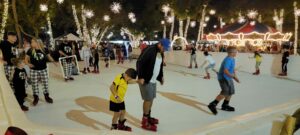
Not all rinks are beginner-friendly. Outdoor rinks can have uneven ice, while crowded indoor rinks overwhelm new skaters. My first time at a packed holiday rink was chaos until I found a quieter session.
Indoor vs. Outdoor Rinks
| Rink Type | Pros | Cons |
|---|---|---|
| Indoor | Smooth ice, controlled environment | Can be crowded, colder temperatures |
| Outdoor | Festive vibe, often less crowded | Uneven ice, weather-dependent |
Choose indoor rinks for beginners, ideally during low-traffic hours. Check local websites for rink schedules and conditions.
Tip 7: Provide Physical Support for Beginners
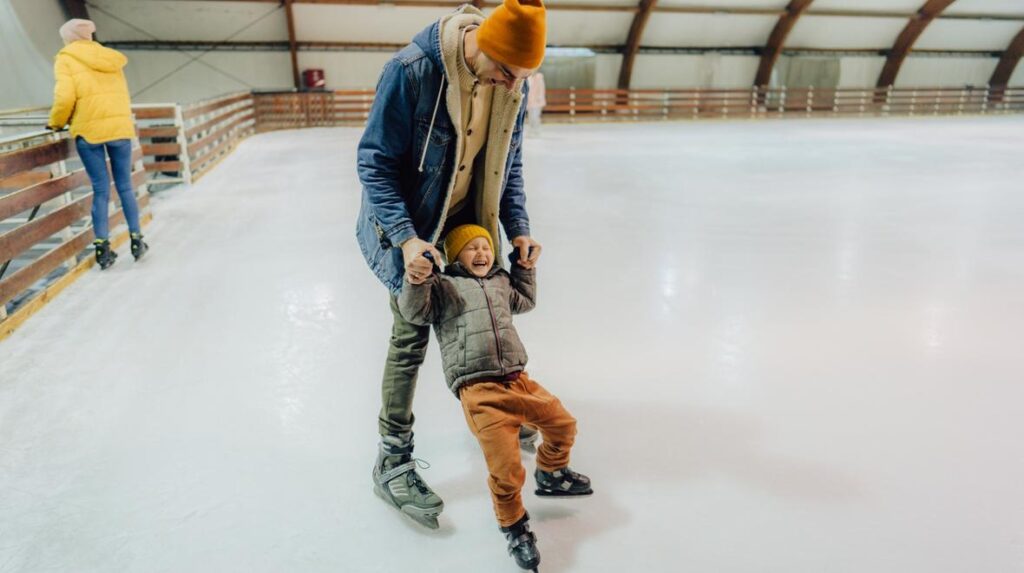
Kids and beginners need hands-on support to feel secure. Holding my cousin’s hand while skating near the rink’s edge gave her the courage to keep going, even after a few tumbles.
How to Support a New Skater
Hold their hand or support under their arms, keeping them close to the rink’s edge. Avoid carrying kids on the ice, as it’s unsafe and hinders learning. Skate side by side, with the beginner on the outside of circles.
Tip 8: Teach Stopping Techniques Early
Stopping is one of the hardest skills for beginners, but it’s critical for safety. I remember panicking when I couldn’t stop, nearly crashing into a group of skaters. Early stopping practice prevents such scares.
Two Easy Stopping Methods
- Snowplow Stop: Push feet apart, toes inward, to scrape the ice and slow down.
- T-Stop: Drag one foot sideways behind the other to stop gently. Practice these off-ice first, then near the rink’s edge.
Tip 9: Warm Up to Prevent Injuries
Cold muscles and ice don’t mix. A quick warm-up can prevent strains and make skating more comfortable. I once skipped stretching and felt my legs protest after just 10 minutes on the ice.
Simple Warm-Up Routine
Spend 10–15 minutes on dynamic stretches like leg swings, arm circles, and side lunges. Focus on legs and core to prepare for skating’s unique movements. A light jog or jumping jacks also gets the blood flowing.
Tip 10: Encourage Consistency and Fun
Consistency builds skill, but fun keeps beginners motivated. My cousin Emma only stuck with skating because we made it a game, racing to the rink’s edge or pretending to be figure skaters.
Keeping Skating Enjoyable
Set small goals, like gliding 10 feet without falling, and celebrate progress. Incorporate fun activities like skating to music or practicing with friends. Indoor rinks are open year-round, so keep the momentum going.
Common Ice Skating Injuries and How to Avoid Them
Ice skating injuries range from minor bruises to serious concussions. Understanding these risks helps you teach proactively. Here’s a breakdown of common injuries and prevention strategies.
Injury Prevention Table
| Injury | Cause | Prevention |
|---|---|---|
| Wrist Sprains | Catching falls with hands | Teach safe falling, wear wrist guards |
| Ankle Sprains | Ill-fitting skates, poor balance | Ensure proper skate fit, practice balance |
| Concussions | Head impacts from falls | Wear helmets, avoid crowded rinks |
| Knee Tendonitis | Overuse, improper movements | Warm up, limit session length |
By following the 10 tips above, you can significantly reduce these risks.
Where to Get Ice Skating Gear and Lessons
Finding quality gear and instruction is key to safe skating. Local rinks often offer rentals and beginner classes, while sports stores carry helmets and pads. For lessons, check with rinks or organizations like U.S. Figure Skating for certified coaches.
Best Tools for Safe Skating
- Skates: Lake Placid Summit or Bladerunner Micro Ice for adjustable, beginner-friendly options.
- Protective Gear: Triple Eight Saver Series Pad Set for wrist, knee, and elbow protection.
- Lessons: Look for group classes at local rinks or private coaches via U.S. Figure Skating.
People Also Ask (PAA) Section
Below are real questions from Google’s “People Also Ask” section, answered concisely to optimize for featured snippets.
How do you teach a beginner to ice skate?
Start with properly fitted skates, practice marching off-ice, and teach gliding near the rink’s edge. Support beginners physically, focus on safe falling, and keep sessions fun and consistent.
What is the best age to start ice skating?
Most children can start skating around age 3, when they can walk confidently. However, any age works as long as they can balance in skates off the ice first.
How do you stop while ice skating?
Use the snowplow stop by pushing feet apart with toes inward or the T-stop by dragging one foot sideways. Practice both techniques off-ice before trying on the rink.
Is ice skating hard to learn?
Ice skating is challenging but manageable with proper guidance. Beginners often struggle with balance but improve quickly with consistent practice and safety-focused teaching.
FAQ Section
Q: How long does it take to learn ice skating?
A: Beginners can learn basic gliding and stopping in 5–10 sessions with consistent practice. Progress depends on age, coordination, and frequency of skating.
Q: Are helmets necessary for ice skating?
A: Yes, especially for kids and beginners. Helmets reduce the risk of concussions from falls, which are common in ice skating.
Q: Can adults learn to ice skate?
A: Absolutely! Adults can learn at any age with proper skates, safety gear, and patience. Start with group lessons or a coach to build confidence.
Q: What’s the difference between figure skates and hockey skates?
A: Figure skates have a toe pick for spins and jumps, while hockey skates are lighter with no toe pick, designed for speed and agility. Both work for beginners.
Q: How do I know if a rink is safe for skating?
A: Choose indoor rinks for smooth ice or outdoor rinks tested for at least 8 inches of thickness. Check local park websites for safety updates.
Conclusion: Glide Safely into a Lifelong Skill
Teaching safe ice skating is about more than avoiding falls—it’s about building confidence, strength, and joy on the ice. By following these 10 tips, from choosing the right skates to encouraging fun, you’ll set beginners up for success. My cousins’ laughter and triumphant glides after weeks of practice remind me how rewarding this process can be. Whether you’re teaching a child or an adult, prioritize safety, keep it lighthearted, and watch them shine. Ready to hit the rink? Lace up, stay safe, and enjoy the glide!