
Why Mountain Biking Is the Adventure You Need
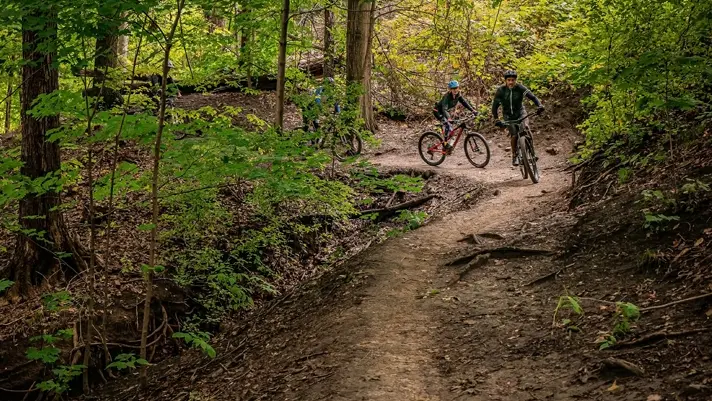
Mountain biking is more than just a sport—it’s a ticket to freedom, adrenaline, and a deeper connection with nature. Whether you’re weaving through forest singletracks or conquering rocky descents, it’s an exhilarating way to explore the outdoors. As a beginner, the journey might seem daunting, but with the right knowledge, gear, and mindset, you’ll be shredding trails in no time.
What Is Mountain Biking?
Defining the Sport
Mountain biking involves riding bicycles off-road, typically on rugged terrain like dirt trails, rocky paths, or steep hills. Unlike road cycling, it demands bikes built for durability and versatility to handle varied landscapes. It’s a full-body workout that blends cardio, strength, and mental focus, perfect for adventure seekers.
Types of Mountain Biking Disciplines
Mountain biking isn’t one-size-fits-all. Each discipline offers a unique flavor of fun:
- Cross-Country (XC): Long-distance rides focused on endurance, often on less technical trails.
- Trail: A mix of climbing and descending, ideal for versatile riders.
- Downhill: High-speed descents on steep, technical terrain—think adrenaline overload.
- Enduro: A blend of XC and downhill, with timed descents and untimed climbs.
- Freeride/Dirt Jump: Focused on tricks, jumps, and stunts, often in bike parks.
Each style suits different skill levels and preferences, so you can find your sweet spot as a beginner.
Choosing Your First Mountain Bike
Hardtail vs. Full-Suspension: What’s the Difference?
Your bike is your trusty steed, so picking the right one is crucial. Hardtail bikes have a front suspension fork but a rigid rear, making them lighter and cheaper—great for smoother trails. Full-suspension bikes have both front and rear shocks, offering better control on rough terrain but at a higher cost.
Hardtail Pros and Cons
- Pros: Affordable, lightweight, easier to maintain.
- Cons: Less comfort on rocky trails, limited traction on descents.
Full-Suspension Pros and Cons
- Pros: Better traction, smoother ride, ideal for technical trails.
- Cons: Heavier, pricier, more maintenance.
For beginners, a hardtail is often the best starting point due to its simplicity and cost-effectiveness.
Key Bike Features to Look For
When shopping, focus on these essentials:
- Frame Material: Aluminum is lightweight and affordable; carbon is lighter but pricier.
- Wheel Size: 29-inch wheels roll faster over obstacles; 27.5-inch wheels are nimbler.
- Tires: Wider tires (2.4–2.8 inches) offer grip; knobby treads suit loose terrain.
- Brakes: Hydraulic disc brakes provide reliable stopping power.
- Gears: A 1x drivetrain (one front chainring) simplifies shifting for newbies.
Best Beginner Mountain Bikes for 2025
Here’s a comparison of top beginner-friendly bikes based on recent models:
| Bike Model | Type | Price Range | Wheel Size | Best For |
|---|---|---|---|---|
| Trek Marlin 7 | Hardtail | $900–$1,000 | 29″ | Cross-Country |
| Giant Talon 1 | Hardtail | $800–$950 | 27.5″/29″ | Trail |
| Specialized Rockrider | Full-Suspension | $1,200–$1,500 | 27.5″ | Trail/Downhill |
| Cannondale Trail 6 | Hardtail | $850–$1,000 | 29″ | Beginners on a Budget |
Tip: Test-ride bikes at a local shop to find the right fit. Your height and riding style matter.
Essential Gear for Mountain Biking
Must-Have Safety Gear
Safety isn’t optional when you’re bombing down trails. Here’s what you need:
- Helmet: A certified mountain bike helmet (MIPS technology is a bonus for brain protection).
- Gloves: Padded gloves improve grip and protect hands in crashes.
- Knee/Elbow Pads: Soft pads for beginners; hard-shell for aggressive riding.
- Eyewear: Clear or tinted glasses shield eyes from dust and branches.
I learned this the hard way when I took a spill on my first trail ride—my helmet saved me from a nasty concussion, but my scratched-up shins wished I’d worn knee pads.
Clothing and Accessories
Comfortable clothing makes a difference:
- Padded Shorts: Cushion your sit bones during long rides.
- Moisture-Wicking Jersey: Keeps you cool and dry.
- Cycling Shoes: Flat-pedal shoes for beginners; clipless for advanced riders.
- Hydration Pack: A 2-liter pack carries water and small tools.
Tools and Maintenance Gear
Keep your bike trail-ready with:
- Multi-Tool: For on-trail adjustments (e.g., Allen keys, screwdrivers).
- Tire Repair Kit: Patch tubes or seal tubeless tire punctures.
- Mini Pump: Compact pumps fit in your pack for quick fixes.
- Chain Lube: Keeps your drivetrain smooth.
Where to Ride: Finding Beginner-Friendly Trails
How to Find Trails Near You
Start local by searching for trails online. Websites like Trailforks or MTB Project list trails by difficulty, length, and location. Local bike shops or cycling clubs can also point you to beginner-friendly spots. Apps like Strava show popular routes in your area.
What Makes a Trail Beginner-Friendly?
Look for green-rated trails (easiest difficulty) with:
- Smooth, wide paths.
- Gentle climbs and descents.
- Minimal technical features (e.g., rocks, roots).
My first ride was on a green trail at a local park—nothing too crazy, just enough to get my heart pumping and confidence soaring.
Trail Etiquette 101
Respect the trail and others:
- Yield to uphill riders and hikers.
- Don’t skid; control your speed to avoid erosion.
- Pack out all trash—leave no trace.
Learning to Ride: Skills Every Beginner Needs
Mastering Basic Bike Handling
Before hitting trails, practice these fundamentals:
- Body Position: Stay low and centered; knees bent, elbows out.
- Braking: Use both brakes gently; front brake for power, rear for control.
- Shifting: Shift to easier gears before climbs; avoid cross-chaining.
I spent my first few rides wobbling like a newborn deer, but practicing in a parking lot helped me nail these basics.
Climbing and Descending Tips
- Climbing: Lean forward, keep pedaling smooth, and stay seated.
- Descending: Shift weight back, look ahead, and feather brakes.
Handling Common Trail Features
- Roots and Rocks: Lift your front wheel slightly; roll over, don’t stop.
- Turns: Lean into corners, keep your outside pedal down.
- Loose Dirt: Maintain steady speed; don’t brake hard.
Training and Fitness for Mountain Biking
Building Stamina and Strength
Mountain biking demands endurance and power. Incorporate these into your routine:
- Cardio: Ride a stationary bike or jog 2–3 times a week.
- Strength: Focus on legs (squats, lunges) and core (planks, Russian twists).
- Flexibility: Stretch hamstrings and hips to prevent injuries.
Nutrition and Hydration Tips
Fuel your rides:
- Eat a carb-heavy meal 2 hours before riding (e.g., oatmeal, banana).
- Sip water every 15–20 minutes on the trail.
- Pack energy gels or bars for longer rides.
Common Beginner Mistakes to Avoid
Overbuying Gear
Don’t splurge on a $5,000 bike as a newbie. Start with a mid-range hardtail and upgrade as your skills grow. My buddy bought a fancy full-suspension bike, only to realize he preferred casual trail rides.
Ignoring Bike Maintenance
A dirty chain or flat tire can ruin your day. Clean and lube your bike weekly, and check tire pressure before every ride.
Riding Beyond Your Skill Level
Tackling black-diamond trails on day one is a recipe for disaster. Stick to green and blue trails until you’re confident.
Where to Get Mountain Biking Gear
Local Bike Shops vs. Online Retailers
Local shops offer test rides and expert advice but may cost more. Online retailers like REI or Jenson USA have competitive prices and wide selections. Compare deals, but support local when possible.
Budget-Friendly Options
- Used Bikes: Check Craigslist or Pinkbike for gently used models.
- Sales Seasons: Shop during Black Friday or end-of-season clearances.
- Entry-Level Brands: Brands like Rockrider or Co-op Cycles offer quality at lower prices.
Best Tools for Mountain Biking
Apps for Navigation and Tracking
- Trailforks: Maps trails and logs rides.
- Strava: Tracks performance and connects you with riders.
- Komoot: Plans routes based on your skill level.
Maintenance Tools Comparison
| Tool | Purpose | Price Range | Recommended Brand |
|---|---|---|---|
| Multi-Tool | On-trail repairs | $20–$50 | Topeak |
| Tire Pump | Inflate tires | $30–$60 | Lezyne |
| Chain Cleaner | Clean drivetrain | $15–$30 | Park Tool |
People Also Ask (PAA) Section
What is the best mountain bike for a beginner?
A hardtail like the Trek Marlin 7 or Giant Talon 1 is ideal due to affordability and simplicity. Look for 29-inch wheels and hydraulic disc brakes for versatility. Test-ride to ensure a good fit.
How much should I spend on my first mountain bike?
Aim for $800–$1,200 for a reliable hardtail. This range balances quality and affordability, ensuring you get a bike that lasts without breaking the bank.
Is mountain biking hard for beginners?
It can be challenging but manageable with practice. Start on easy trails, focus on basic skills, and build fitness gradually. Most beginners find it rewarding within a few rides.
Do I need full-suspension for mountain biking?
Not for beginners. Hardtails are lighter, cheaper, and easier to maintain, making them perfect for learning. Full-suspension is better for advanced, technical trails.
FAQ Section
How do I know if a trail is too hard for me?
Check trail ratings on apps like Trailforks. Green trails are beginner-friendly, blue is intermediate, and black is advanced. Start easy and progress as you gain confidence.
What’s the difference between 27.5″ and 29″ wheels?
27.5-inch wheels are nimbler, great for tight trails and smaller riders. 29-inch wheels roll faster over obstacles, ideal for speed and stability on varied terrain.
How often should I maintain my mountain bike?
Clean and lube your chain weekly, check tire pressure before rides, and get a professional tune-up every 6–12 months, depending on how often you ride.
Can I mountain bike alone as a beginner?
Yes, but start on well-marked, easy trails and tell someone your plans. Carry a phone, tools, and a first-aid kit for safety.
What’s the best way to improve my mountain biking skills?
Practice regularly on easy trails, watch YouTube tutorials (e.g., GMBN or Seth’s Bike Hacks), and join local group rides to learn from experienced riders.
Tips for Staying Motivated
Mountain biking has a learning curve, but the thrill keeps you hooked. Join a local cycling group to make friends and share tips. Set small goals, like mastering a short climb or riding a new trail. Celebrate progress—my first clean descent felt like winning the Tour de France! Track your rides on Strava to see how far you’ve come.
Where to Go From Here
Ready to hit the trails? Start by visiting a local bike shop to try bikes and get advice. Check Trailforks for nearby green trails, and invest in basic gear like a helmet and gloves. Watch beginner tutorials on YouTube for skill tips, and follow blogs like Pinkbike for community insights. Most importantly, have fun—mountain biking is about adventure, not perfection.