
I still remember the first time I gripped the wheel of a beat-up Subaru, heart pounding as dust kicked up behind me on a backcountry road. It wasn’t some fancy WRC event—just a local rallycross meetup—but that rush hooked me for life. If you’re reading this, you’re probably chasing that same thrill, wondering how to dive into rally racing without crashing and burning your wallet or dreams. This guide’s packed with real talk from someone who’s been there, plus insights from pros and communities to get you started right.
What is Rally Racing?
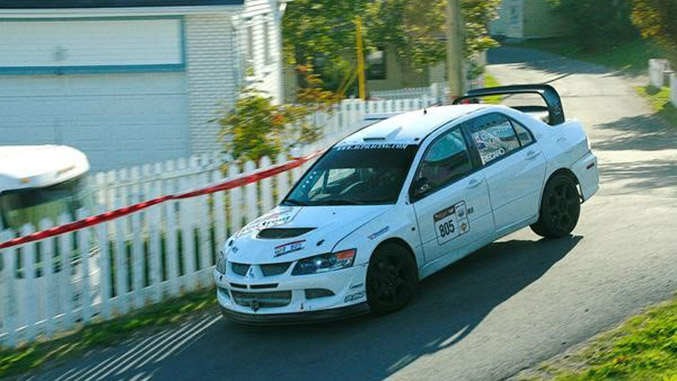
Rally racing isn’t your typical track lap; it’s a wild dance between driver, co-driver, and unpredictable terrain, where split-second decisions can mean victory or a ditch dive. Unlike circuit racing, rallies unfold on closed public roads—gravel, tarmac, snow—testing endurance over multiple stages timed to the millisecond. It’s raw, accessible motorsport that blends speed with strategy, drawing folks from weekend warriors to global stars.
The History and Appeal of Rally Racing
Born in the early 1900s with events like the Monte Carlo Rally, this sport exploded in the ’70s with icons like Colin McRae pushing boundaries. Today, it’s appealing because anyone with grit can start—no need for millionaire backing. The camaraderie, the adrenaline of navigating blind corners via pace notes—it’s addictive, turning ordinary drives into epic adventures.
Different Types of Rally Events
From stage rallies like the World Rally Championship (WRC) to rallycross sprints on mixed surfaces, options abound for beginners. Stage rallies involve long-distance timed sections with service breaks, while rallycross packs short, head-to-head bursts on circuits with jumps and dirt. Tarmac rallies focus on paved roads for grip mastery, and adventure rallies emphasize navigation over pure speed.
- Stage Rally: Multi-day events with special stages; ideal for building stamina.
- Rallycross: Short, intense races; great entry point with lower costs.
- Tarmac Rally: High-speed on asphalt; tests precision handling.
- Road Rally: Navigation-focused; perfect for honing co-driver skills without extreme speeds.
Why Start Rally Racing Now?
In a world glued to screens, rally racing yanks you back to real-world excitement, sharpening reflexes and forging unbreakable bonds with fellow enthusiasts. It’s not just about winning; it’s the stories—like that time I spun out in mud but laughed it off with my co-driver over post-race beers. With growing accessibility through schools and clubs, there’s never been a better time to rev up your life.
Benefits for Mind and Body
Rallying builds mental toughness, forcing quick thinking under pressure, while physically demanding core strength for those bumpy rides. It’s a full-body workout disguised as fun, boosting confidence and even helping with everyday driving skills. Plus, the community support turns solo pursuits into shared triumphs, easing the learning curve.
Potential Challenges and How to Overcome Them
Every adventure has hurdles, like high initial costs or finding events, but starting small sidesteps most pitfalls. Embrace failures as lessons—my first event ended in a flat tire, teaching me tire management fast. With patience and smart planning, those challenges become stepping stones to podium finishes.
Pros and Cons of Starting Rally Racing
Pros:
- Unmatched adrenaline and skill-building.
- Strong community and networking opportunities.
- Versatile events for all skill levels.
- Improves real-world driving awareness.
Cons:
- Can be expensive for cars and gear.
- Physical demands and risk of injury.
- Time-consuming with travel to events.
- Weather-dependent, adding unpredictability.
Essential Requirements to Get Started
Before hitting the dirt, nail the basics: a valid driver’s license, minimum age (often 18 for competitions), and a passion that overrides fear. Organizations like the SCCA or ARA set the bar, requiring medical checks and novice orientations. It’s straightforward paperwork, but it ensures everyone’s safe and ready.
Age and License Requirements
Most rallies demand you’re at least 18 with a standard driver’s license, though some junior programs start at 14 with parental consent. For competitive licenses, join bodies like NASA Rally Sport or ARA, submitting forms and fees—no prior racing needed, just enthusiasm. Think of it as your ticket to the big leagues, starting with novice status.
Physical and Mental Preparation Tips
Build endurance with cardio and strength training—core workouts prevent fatigue on long stages. Mentally, visualize courses and practice focus exercises; my trick was sim racing to simulate pressure without real risks. Stay hydrated, eat clean, and get rest—rallying’s a marathon, not a sprint.
- Cardio routines like running or cycling for stamina.
- Strength training focusing on arms, core, and legs.
- Mental drills: Meditation or visualization apps.
- Simulators for affordable practice sessions.
Choosing the Right Rally Car for Beginners
Don’t splurge on a WRC beast yet; start with affordable, reliable rides like a used Subaru Impreza or Ford Fiesta, modified for basics like roll cages. Prioritize durability over power—slow cars teach control better. I began with a $5,000 beater that handled gravel like a champ, proving budget doesn’t kill fun.
Budget-Friendly Options
Entry-level cars range from $1,500 Craigslist finds to $20,000 prepped models, focusing on 2WD for simplicity. Look for stock vehicles with good suspension; add essentials like harnesses later. Avoid flashy mods—reliability wins races.
Modifications for Safety and Performance
Start with a roll cage ($1,000+), better brakes, and tires suited to terrain. Engine tweaks come later; focus on handling upgrades like struts. My first mod was a skid plate—saved my undercarriage countless times on rocky paths.
Comparison of Beginner Rally Cars
| Car Model | Price Range | Pros | Cons |
|---|---|---|---|
| Subaru Impreza | $5,000-$15,000 | AWD grip, reliable | Higher fuel costs |
| Ford Fiesta | $3,000-$10,000 | Agile, cheap parts | Less power stock |
| Volkswagen Golf | $4,000-$12,000 | Easy to modify | FWD limits on loose surfaces |
| Honda Civic | $2,000-$8,000 | Lightweight, fun | Needs more upgrades for durability |
Top Rally Schools for Hands-On Training
Schools like DirtFish or Team O’Neil turn novices into pros with structured courses on car control and pace notes. I attended a one-day session that transformed my driving—sliding through corners felt natural after. They’re worth every penny for building confidence safely.
Best Schools in the US
DirtFish in Washington offers AWD and RWD programs starting at $1,000/day, with pro instructors. Team O’Neil in New Hampshire focuses on loose surfaces, ideal for winter prep. Rally Ready in Texas blends fun with fundamentals.
What to Expect in a Rally Course
Courses cover basics like left-foot braking and handbrake turns, progressing to full stages. Expect classroom theory mixed with track time—my class had us practicing jumps, laughing off mistakes. It’s intensive but exhilarating.
- DirtFish: Advanced simulators and group events.
- Team O’Neil: Winter driving specialties.
- Rally Ready: Corporate-style fun for teams.
- European Rally School: Tarmac focus.
Must-Have Safety Gear and Equipment
Safety’s non-negotiable: FIA-approved helmets, fire-resistant suits, and harnesses top the list, costing $500-$2,000 initially. Don’t skimp—my suit saved me from bruises in a minor rollover. Add gloves, shoes, and a HANS device for neck protection.
Essential Items for Driver and Co-Driver
Both need suits, helmets, and intercoms for clear communication. Co-drivers require notebooks for pace notes. Tools like jacks and spares are car must-haves.
Where to Buy Quality Gear
Shop at RallySport Direct or Subaru Motorsports for trusted brands. Local clubs often have used gear swaps—great for budgets.
- Helmet: $300+, Snell-rated.
- Suit: $400+, flame-retardant.
- Harnesses: $200+, five-point.
- Intercom: $150+, for co-driver chat.
Joining a Rally Club or Community
Clubs like SCCA provide events, mentors, and resources—my entry point was volunteering at a local meet. They offer licenses, insurance, and forums for advice. It’s where friendships form and skills sharpen.
Finding Local Clubs
Search SCCA.org or Reddit’s r/rally for groups near you. Attend as a spectator first—chat with drivers for insider tips.
Benefits of Mentorship
A mentor guides car choices and techniques; mine spotted my braking flaws early. It’s like having a co-pilot off-track.
Your First Rally Event: What to Expect
Expect nerves, but excitement wins—arrive early for tech inspections, then tackle recce for notes. My debut was chaotic, but finishing felt heroic. Focus on completion over speed.
Pre-Event Preparation
Recce the route, prep your car, and pack spares. Double-check weather—tires matter hugely.
On the Day: Step-by-Step
Sign in, attend briefings, then hit stages. Service breaks fix issues; celebrate post-finish.
Cost Breakdown for Starting Rally Racing
Budgets vary, but expect $10,000-$20,000 initially for car, gear, and entry fees. Ongoing costs like travel add up, but starting in rallycross keeps it under $5,000.
Rally Startup Cost Table
| Item | Estimated Cost | Notes |
|---|---|---|
| Used Car | $5,000-$15,000 | Stock with basic mods |
| Safety Gear | $1,000-$3,000 | Helmet, suit, etc. |
| School/Training | $500-$2,000 | One-day course |
| Entry Fees | $200-$600/event | Local rallies |
| Total Startup | $10,000-$20,000 | Excludes travel |
Common Mistakes Beginners Make
Overdriving leads to crashes—ease in. Ignoring co-driver notes is another; trust them blindly. Poor maintenance bites back mid-stage.
- Rushing modifications without basics.
- Skipping physical prep.
- Neglecting weather checks.
- Forgetting spare parts.
Advanced Tips for Progressing
Once hooked, analyze onboard footage for improvements. Join series like ARA for structure. Network for sponsors—my first came from club chats.
Building a Rally Team
Recruit reliable crew for services; share costs and laughs.
Competing in Higher Levels
Aim for WRC-inspired events after locals; licenses upgrade with experience.
People Also Ask
How much does it cost to start rally racing?
Starting costs hover around $20,000, including a used car ($5,000+), gear ($1,000+), and training, but rallycross dips lower at $5,000. Factor in event fees ($40-$600) and maintenance.
What license do I need for rally racing?
A standard driver’s license suffices initially, but competitive ones from ARA or NASA cost $110-$200, requiring forms and medicals—no school mandatory.
Can anyone do rally racing?
Yes, with basic fitness and a license; start volunteering or in rallycross to build skills without high barriers.
How do I become a rally driver?
Join a club, attend school, get a car, and enter locals—mentors accelerate progress.
FAQ
Is rally racing dangerous for beginners?
It’s risky, but safety gear and training minimize it—start slow in controlled events.
What’s the best beginner rally car?
A used Subaru Impreza offers AWD reliability for $5,000-$15,000.
Do I need a co-driver to start?
Yes for stage rallies; they handle navigation via pace notes.
How long to prepare for my first rally?
3-6 months: Train, mod car, join club.
Can I rally with a street car?
Yes for rallycross; add safety mods for stages.
Rally racing’s more than speed—it’s freedom on four wheels. From my muddy mishaps to triumphant finishes, it’s shaped me. Grab that helmet, find a club, and start your adventure. For more on events, check American Rally Association. Safe drives!