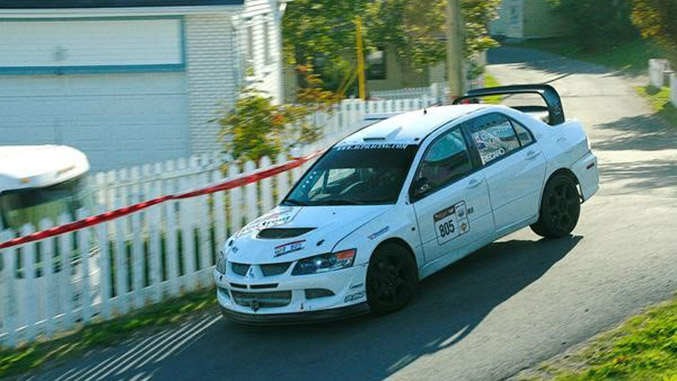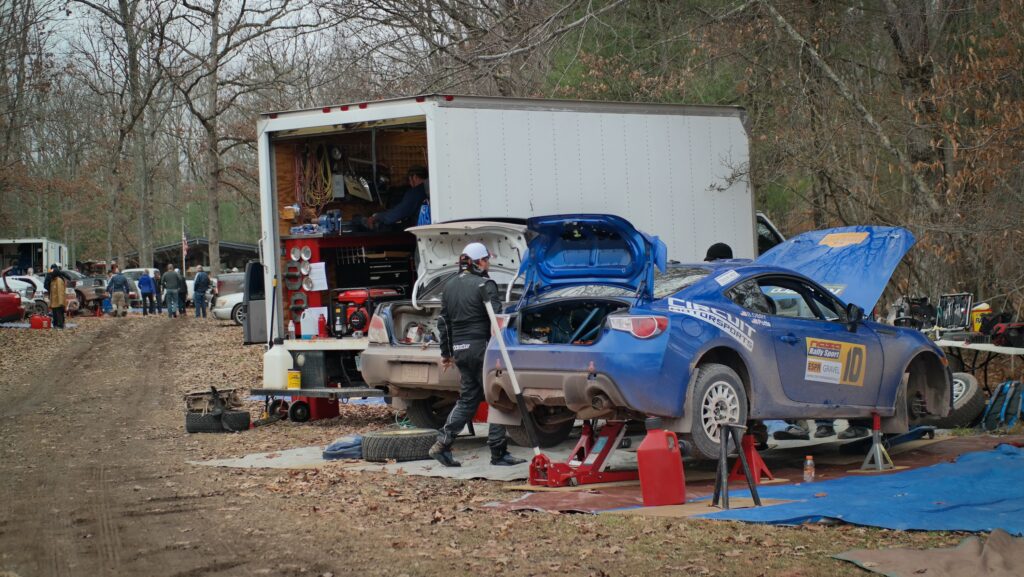

Hey there, fellow adrenaline junkie. Picture this: It’s a crisp morning in the woods, the smell of damp earth and exhaust hanging in the air, and you’re strapped into a beat-up hatchback, hurtling down a gravel road at speeds that make your heart pound. That’s stage rallying for you—the ultimate test of driving skill, navigation, and sheer guts. I got hooked back in my early 20s when a buddy dragged me to a local event in the Pacific Northwest. We showed up with nothing but a cooler of sandwiches and a folding chair, but by the end of the day, I was dreaming of sliding around those corners myself. The catch? Rallying can drain your wallet faster than a leaky fuel tank. But trust me, it’s possible to dive in without going bankrupt. In this guide, I’ll walk you through how to make it happen on a shoestring, drawing from my own scrapes and triumphs, plus insights from folks who’ve been there.
What is Stage Rallying?
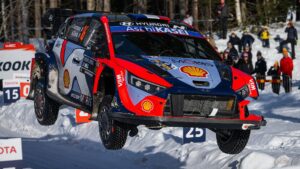
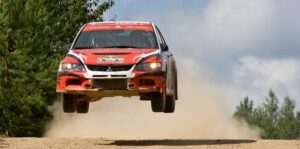
Stage rallying is all about racing against the clock on closed public roads—think twisty forest paths, gravel tracks, or even snowy lanes—divided into timed “stages.” You and a co-driver tackle these point-to-point sections at full throttle, navigating with pace notes that call out every bump and turn. Unlike circuit racing, it’s not wheel-to-wheel; it’s you versus the terrain and time. Events can last days, with service breaks to fix your car, and the lowest total time wins. It’s raw, unpredictable, and addictive, but safety gear and rules from organizations like the American Rally Association (ARA) keep things in check.
Why Rally on a Budget? The Real Appeal
Let’s be honest—rallying isn’t cheap, but chasing it on a tight budget adds an extra layer of thrill, like outsmarting the system. It forces you to get creative, learn mechanics hands-on, and build a network of like-minded gearheads who swap parts over campfire stories. I started with a $2,500 beater that I fixed up in my garage, and the satisfaction of finishing my first event without fancy sponsorships? Priceless. Plus, in a world where motorsports often feel gated by big money, budgeting keeps it accessible and true to rallying’s grassroots roots. You’ll join a community where ingenuity beats deep pockets every time.
Getting Started: The Low-Cost Entry Points
Diving straight into a full rally car build is a recipe for regret—trust me, I almost did that and would’ve been broke before turning a wheel. Instead, ease in with steps that cost little but teach a ton. This phase is about soaking up the vibe, making connections, and figuring out if it’s your jam without committing thousands upfront.
Spectate First to Feel the Rush
Grab a map, pack a lunch, and head to a free spectator spot at a local rally—most U.S. events don’t charge for watching from the sidelines. Pick a stage and camp out, or chase the action between spots for variety. I remember my first time at the Olympus Rally; standing behind a barrier as cars flew by, I picked up tips just by chatting with veterans. It’s free education on what works (and what crashes spectacularly).
Volunteer to Learn the Ropes Inside Out
Sign up as a marshal or helper through ARA or NASA Rally Sport—it’s often free and gets you behind-the-scenes access. You’ll handle timing, safety, or even service areas, seeing how teams operate on slim budgets. My volunteering gig at a regional event led to a co-driving invite, saving me from buying gear right away. Plus, it’s a networking goldmine; many pros started here.
Dip Your Toes in RallyCross for Practice
RallyCross is like rallying’s affordable cousin—short, dirt-track events in a run-work format where you race then help out. Entry fees hover around $80-$150 per event, and you can use a stock car with minimal mods. It’s perfect for honing skills like left-foot braking without the high stakes. I cut my teeth on these, laughing off my spins while building confidence for stages.
Choosing Your Budget Rally Car: Smart Picks for Beginners
The heart of your setup is the car, but forget dreaming of a Subaru WRX turbo beast—that’ll eat your budget alive. Focus on reliable, cheap-to-fix rides that handle dirt well. Aim for something under $5,000 to start, with good parts availability. From my experience, front-wheel-drive hatches shine for newbies; they’re forgiving and fun.
Top Budget Rally Cars Compared
Here’s a quick table breaking down solid beginner options based on cost, ease, and performance. I prioritized cars that are plentiful on used markets like Craigslist or Facebook Marketplace.
| Car Model | Approx. Used Price | Drivetrain | Pros | Cons |
|---|---|---|---|---|
| Ford Focus (pre-2010) | $2,000-$4,000 | FWD | Cheap parts, lightweight, agile | Rust-prone in wet areas |
| Volkswagen Golf Mk3/Mk4 | $1,500-$3,500 | FWD | Durable engine, easy to mod | Electrical gremlins common |
| Honda Fit (B-Spec ready) | $3,000-$5,000 | FWD | Fuel-efficient, nimble | Low power needs boosting |
| Porsche 944 (older models) | $4,000-$6,000 | RWD | Balanced handling, fun factor | Parts can be pricey |
| Subaru Impreza (non-turbo) | $3,500-$5,500 | AWD | All-weather grip | Higher maintenance costs |
I went with a Golf initially—found one for $2,200 with a solid motor. It wasn’t flashy, but it got me through my first season without major breakdowns.
Pros and Cons of Budget Builds
- Pros: Total control over costs, learn as you go, customize to your style.
- Cons: Time-intensive, potential hidden issues in used cars, might need welding skills.
Building or Buying: Which Path Saves More?
Deciding between DIY building or buying a ready rally car? Building from a donor vehicle can save 30-50% if you’re handy—I turned my Golf into a stage-ready machine for under $10,000 total. But buying used rally-prepped (check sites like Rally Classifieds) skips the hassle for $6,000-$15,000. Weigh your skills; I built mine to bond with the car, but friends regret not buying when tools were scarce.
Essential Modifications: Keep It Minimal and Effective
You don’t need a full cage or fancy suspension to start—focus on safety and reliability first. Budget $2,000-$4,000 for basics, sourcing from junkyards or online forums. I skimped on bling and prioritized what kept me on the road.
- Safety Gear: Roll bar ($500), harnesses ($200), fire extinguisher ($50)—non-negotiable.
- Suspension Tweaks: Raised springs and shocks ($300-$600) for ground clearance.
- Tires: Gravel tires ($800/set)—buy used to save half.
- Brakes and Engine: Upgraded pads ($100), basic tune-up ($200).
- Navigation Aids: Simple odometer and notes holder ($100).
Skip AWD conversions unless you have extra cash; FWD works fine for entry-level.
Training and Skill Development on the Cheap
No need for $1,000/day schools right off—start free or low-cost. Watch YouTube tutorials from pros like Ken Block, then practice on empty dirt roads (legally, of course). I joined a local club for group sessions at $50/pop, focusing on braking and cornering. For structured help, DirtFish or Team O’Neil offer one-day intro classes around $500—worth it once you’re committed.
Affordable Training Options
- Free: Online sims like Dirt Rally 2.0 for virtual practice.
- Low-Cost: RallyCross events double as training.
- Mid-Range: Weekend clinics from ARA affiliates.
Finding Cheap Stage Rally Events
Look for regional or single-venue events—cheaper than nationals. ARA’s Sno*Drift or NASA Rally Sport’s Eastern Pennsylvania Stages have entries from $225-$500. I started with local forest rallies in Ohio, costing $300 entry plus gas. Check calendars on ara-rally.org or nasarallysport.com for upcoming ones.
Comparison of Entry-Level Events
| Event Type | Typical Cost | Location Examples | Why Budget-Friendly? |
|---|---|---|---|
| Single-Venue Rally | $200-$400 | Airfields in UK/US | Short, no long travel |
| Regional ARA Events | $400-$800 | Olympus, 100 Acre Wood | Local, shared costs |
| RallyCross Series | $80-$150 | DirtFish venues | One-day, minimal prep |
Pros of locals: Less lodging, familiar roads. Cons: Fewer stages.
Budget Breakdown: Planning Your First Season
Crunch the numbers early—I aimed for five events in year one, totaling $10,000. Here’s a realistic split for a beginner in the U.S., based on my logs and averages from forums.
| Category | Estimated Cost | Tips to Cut Costs |
|---|---|---|
| Car Purchase/Build | $5,000-$10,000 | Buy used, DIY mods |
| Safety Gear/License | $1,000-$2,000 | Second-hand helmets |
| Event Entries (5x) | $1,500-$3,000 | Choose locals first |
| Tires/Fuel/Maintenance | $2,000-$4,000 | Rotate sets, share transport |
| Travel/Lodging | $1,000-$2,000 | Camp, carpool |
| Training/Misc | $500-$1,000 | Free online resources |
Total: $11,000-$22,000. Shave off by volunteering for discounts.
Cost-Saving Hacks from the Trenches
Veterans swear by these—I’ve used them all. Network on Reddit’s r/rally for free advice and parts swaps. Co-drive first to split costs and learn navigation. Buy bulk tires with a group. Maintain religiously to avoid event-day failures. And humor helps: I once fixed a busted exhaust with duct tape mid-stage—worked like a charm, saved $200.
People Also Ask: Common Questions Answered
Drawing from real Google searches, here’s what folks often wonder about budgeting for stage rallying.
How Much Does It Cost to Start Rallying?
Expect $10,000-$20,000 for your first year, covering a basic car, gear, and a few events. Focus on used everything to stay low—my startup was $12,000, including mistakes.
What Are the Best Beginner Rally Cars?
Go for affordable, reliable options like the Ford Focus or VW Golf—easy to find under $4,000 and mod. They’re forgiving for new drivers, unlike pricier AWD setups.
Is There a Cheap Way to Start Rally?
Absolutely—begin with RallyCross or volunteering, then scale up. It’s not free, but way cheaper than jumping straight to stages.
How to Begin Competing in Rally?
Spectate, volunteer, get licensed (around $100), and enter low-stakes events. Build skills gradually to avoid costly errors.
FAQ: Quick Answers for Aspiring Budget Rallyists
What’s the Cheapest Way to Get a Rally License?
Grab an RS Clubman license for free, then upgrade to InterClub for about $104 through Motorsport UK or similar in the U.S. ARA offers novice tips online.
Where Can I Find Budget Rally Parts?
Check Rally Classifieds, eBay, or forums like Grassroots Motorsports. Junkyards for basics— I scored suspension for $150 once.
Best Tools for Beginner Rally Prep?
Start with a jack, socket set, and welder—under $500 total. For navigation, a basic trip meter app works.
How to Find Rally Co-Drivers on a Budget?
Post on Reddit or Facebook groups—many share costs. I found mine through a local club meetup.
What If I Crash on a Budget?
Insurance is key; get rally-specific coverage for $200-$500/year. Fix small stuff yourself to minimize downtime.
Wrapping this up, stage rallying on a budget isn’t about cutting corners—it’s about smart choices that amplify the joy. From that first volunteer shift to crossing your debut finish line, the journey builds character like nothing else. I still grin thinking of my Golf kicking up dust on a shoestring setup. Ready to rev up? Head to ara-rally.org for events or our beginner rally tips article for more. Get out there— the road’s waiting.