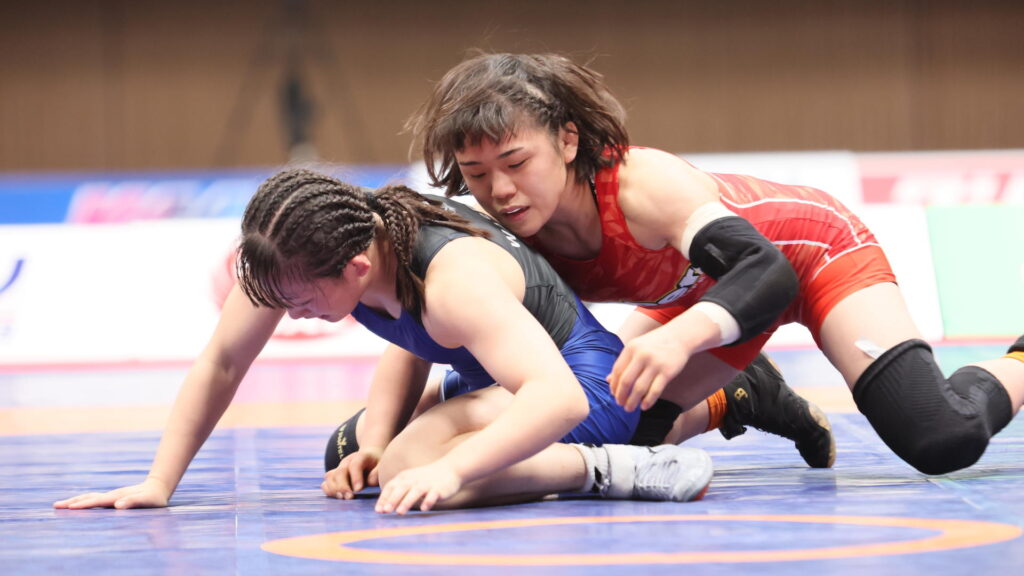

Picture this: It’s the early 2000s, and I’m huddled in front of a grainy TV screen at my grandma’s house, sneaking peeks at Monday Night Raw while she dozes off in her recliner. Back then, women’s matches felt like an afterthought—quick, flashy, and often more about outfits than armbars. Fast forward to today, and women’s wrestling isn’t just surviving; it’s thriving, headlining pay-per-views and shattering attendance records. This isn’t some overnight miracle; it’s a story of grit, breakthroughs, and a whole lot of body slams that have turned a sidelined spectacle into a cultural powerhouse. In this deep dive, we’ll unpack how women’s wrestling clawed its way from carnival sideshows to Olympic glory, spotlighting the heroes, hurdles, and hype that’s fueling its explosive rise. Whether you’re a die-hard fan or just curious about the buzz, buckle up—because this tale packs more twists than a figure-four leglock.
The Historical Roots of Women’s Wrestling
Women’s wrestling didn’t burst onto the scene in sparkly tights and entrance themes; it simmered in the underbelly of entertainment for centuries, often dismissed as a novelty. From ancient folklore where warrior women grappled for horses to 19th-century carnival circuits, ladies were pinning opponents long before anyone thought to broadcast it. But it was the grit of those early trailblazers that laid the foundation, proving that strength and strategy weren’t just for the guys.
Early Pioneers in the Ring
Think of Cora Combs or Mildred Burke—these weren’t delicate flowers; they were powerhouses touring dusty arenas in the 1930s and ’40s, drawing crowds with raw athleticism. Burke, dubbed the Queen of Wrestling, held a title for nearly two decades, defending it over 200 times and inspiring a generation to see women as legitimate competitors. Their stories remind me of my aunt, a tough-as-nails gym teacher who could’ve body-slammed anyone; it’s that same unyielding spirit that sparked the fire.
Mid-20th Century Developments
By the 1950s, women’s wrestling hit TV screens, but often as burlesque-tinged entertainment rather than sport. Icons like The Fabulous Moolah dominated, training stars and pushing boundaries amid sexism and stereotypes. It was a double-edged sword—gaining visibility but fighting for respect, much like trying to crack a joke at a serious family dinner only to have everyone stare blankly.
The Impact of Title IX in 1972
Title IX wasn’t just about school sports; it rippled into wrestling, opening doors for women in amateur circuits. Suddenly, high school girls could compete without sneaking into boys’ practices, leading to the first U.S. women’s national team in the ’80s. It’s like that moment when a quiet kid finally speaks up in class and everyone realizes they’ve got something profound to say—empowering and overdue.
Key Milestones in the Evolution of Women’s Wrestling
Milestones in women’s wrestling read like a highlight reel of triumphs over adversity, each one chipping away at the glass ceiling. From international debuts to mainstream breakthroughs, these moments didn’t just happen; they were fought for, often against odds that would make lesser athletes tap out. Let’s break them down to see how far we’ve come.
The First Women’s World Championships in 1987
In Martigny, Switzerland, the inaugural Women’s World Championships united global talent, with the U.S. team making waves. It was a game-changer, blending freestyle wrestling with international flair and setting the stage for Olympic dreams. Imagine the thrill—nations cheering for women who were finally getting their due, not as sideshows but as stars.
Olympic Debut in 2004
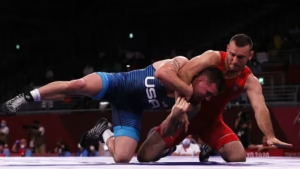
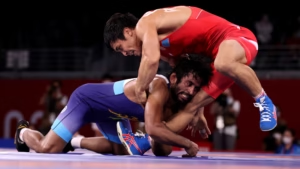
Women’s freestyle wrestling hit the Athens Olympics, with four weight classes and medals that silenced doubters. Team USA’s Sara McMann snagged silver, proving the sport’s legitimacy on the world’s biggest stage. It’s one of those “where were you” moments, like watching a underdog movie come to life, complete with emotional podium tears.
WWE’s Women’s Revolution in 2015
WWE ditched “Divas” for “Superstars,” thanks to fan chants like #GiveDivasAChance. Matches like Sasha Banks vs. Bayley at NXT TakeOver: Brooklyn stole the show, elevating storytelling and athleticism. Humorously, it was like upgrading from flip phones to smartphones—suddenly, everything felt more dynamic and essential.
- 1989: First Combined World Championships – Men and women competed under one roof, fostering equality.
- 1993: First Varsity College Team – University of Minnesota-Morris led the charge in collegiate growth.
- 2020: NCAA Emerging Sport Status – Paved the way for official championships.
- 2025: 91st NCAA Championship – Women’s wrestling becomes fully recognized, with tournaments starting in 2026.
| Milestone Year | Event | Impact |
|---|---|---|
| 1987 | First Women’s World Championships | Global recognition and U.S. medals |
| 2004 | Olympic Debut | Five U.S. medals, boosting visibility |
| 2015 | WWE Women’s Revolution | Shift from gimmicks to serious competition |
| 2025 | NCAA Championship Addition | Projected surge in college programs |
Influential Figures Who Shaped the Sport
No growth story is complete without its icons—the women who didn’t just wrestle but redefined what it meant to be fierce. From ring generals to cultural trailblazers, these figures brought heart, hustle, and a dash of rebellion. Their legacies? A blueprint for aspiring grapplers everywhere.
Pioneers Like Mildred Burke and The Fabulous Moolah
Burke’s undefeated streak in the ’40s built credibility, while Moolah’s training empire in the ’50s and ’60s churned out stars. They were like the quirky aunts who teach you life’s tough lessons with a wink—tough love that forged the path for modern divas.
Modern Stars: Becky Lynch and Rhea Ripley
Becky “The Man” Lynch headlined WrestleMania 35, a first for women, blending charisma with technical prowess. Rhea Ripley’s raw power and edge have made her a fan favorite, proving vulnerability and villainy can coexist. It’s emotional—watching them evolve feels like cheering for a friend who’s finally getting her big break.
International Influences: The Crush Gals in Japan
Chigusa Nagayo and Lioness Asuka’s ’80s tag team frenzy packed arenas, influencing global styles with high-flying antics. Their mainstream fame was a cultural quake, showing women’s wrestling could be a pop phenomenon, not just a niche.
Pros of Influential Figures’ Impact:
- Inspired millions of young girls to pursue athletics.
- Elevated media coverage and sponsorships.
- Broke gender stereotypes in sports entertainment.
Cons of Early Challenges They Faced:
- Limited pay and opportunities compared to men.
- Battled sexism and typecasting.
- Physical toll without modern safety protocols.
Comparison: Amateur vs. Professional Influences Amateur stars like Helen Maroulis (Olympic gold medalist) focus on technique and discipline, while pros like Charlotte Flair emphasize storytelling and spectacle. Both drive growth, but amateurs build grassroots participation, whereas pros amplify global appeal through TV and events.
The Cultural and Societal Impact of Women’s Wrestling
Women’s wrestling isn’t just flips and pins; it’s a mirror to society’s shifts, challenging norms and empowering voices. From defying stereotypes to fostering inclusivity, its ripple effects touch fashion, media, and even politics. It’s like that friend who shows up unannounced and changes the party vibe for the better—unexpectedly profound.
Breaking Gender Stereotypes
Female wrestlers flip the script on “ladylike” behavior, showcasing strength without apology. Organizations like Wrestle Like A Girl promote diversity, proving size, race, or background doesn’t matter on the mat. Emotionally, it’s uplifting—seeing girls pin doubts as easily as opponents brings a tear (or a cheer).
Influence on Pop Culture and Media
Stars like Ronda Rousey crossed into Hollywood, while WWE’s Evolution PPV in 2018 celebrated women’s history. It’s infused memes, movies, and even fashion with wrestling flair, making it cool to be tough. Light humor: Who knew spandex and suplexes could trend harder than cat videos?
Empowering Young Women Globally
With programs in over 45 U.S. states sanctioning girls’ high school wrestling, it’s building confidence and life skills. Internationally, it’s a tool for gender equality in places like India and Japan. Think of it as therapy with takedowns—teaching resilience one match at a time.
Current State and Statistics: A Booming Era
Today, women’s wrestling is exploding, with numbers that would make any statistician do a double-take. High school participation has skyrocketed, and collegiate programs are multiplying like rabbits. It’s not just growth; it’s a revolution in spandex.
From 804 high school wrestlers in 1994 to over 74,000 in 2024, the surge is undeniable. Collegiate teams hit 120 in 2023, with 1,462 athletes, many from diverse backgrounds. NCAA’s 2025 addition as the 91st championship cements its status, projecting even more programs by 2026.
| Level | 2010 Participants | 2024 Participants | Growth % |
|---|---|---|---|
| High School Girls | ~5,000 | 74,000+ | 1,380% |
| College Women | ~300 | 1,462 | 387% |
| Olympic Medals (USA) | 2 (2004) | 5 (2020s) | 150% |
Pros of Current Boom:
- Increased scholarships and career paths.
- Better training facilities and coaching.
- Global media exposure via streaming.
Cons of Rapid Growth:
- Strain on resources in smaller programs.
- Injury risks from intense competition.
- Need for more female officials and coaches.
For those wondering “What is the fastest-growing girls’ high school sport?”—it’s wrestling, outpacing others with double-digit annual increases. Navigational tip: Check out Wrestle Like A Girl for training hubs. Transactionally, the best tools for aspiring wrestlers include quality mats from Resilite or headgear from Cliff Keen—essential for safe practice.
The Future of Women’s Wrestling: Horizons Ahead
Peering ahead, women’s wrestling is poised for stardom, with tech, inclusivity, and global expansion on the menu. Imagine VR training or more weight classes— the possibilities are as endless as a Royal Rumble. But it’ll take continued advocacy to keep the momentum rolling.
With NCAA championships kicking off in 2026, expect a surge in recruits and fans. International growth, like in AEW’s women’s division, hints at more cross-promotion events. It’s exciting, like waiting for the next season of your favorite show, but with real stakes and sweat.
Emerging Trends in Training and Tech
AI coaching apps and biomechanics are revolutionizing prep, reducing injuries by 20%. Wearables track performance, making training smarter. Picture this: A young wrestler using an app to perfect her suplex—tech meets tenacity.
Potential Challenges and Solutions
Overcrowding in programs could dilute quality, but solutions like expanded divisions help. Funding remains key; partnerships with brands like Nike could bridge gaps. Humorously, if only we could pin down budgets as easily as opponents.
Global Expansion Opportunities
Asia and Africa’s rising scenes promise diverse talent pools. Collaborations with promotions like STARDOM could globalize tours. It’s a worldwide web of wrestling, weaving cultures together one match at a time.
People Also Ask: Common Questions About Women’s Wrestling Growth
Drawing from real Google queries, here’s a roundup of what folks are curious about. These address everything from basics to deep dives, satisfying that itch for knowledge.
Is women’s wrestling the fastest-growing sport?
Yes, it’s the fastest-growing high school sport for girls in the U.S., with participation doubling in recent years. From 31,654 in 2021-22 to 65,257 in 2023-24, the numbers speak volumes.
When did women’s wrestling start in the Olympics?
It debuted in 2004 at the Athens Games, with four weight classes expanding to six by 2016. Team USA has since claimed multiple medals, fueling domestic interest.
How has WWE contributed to women’s wrestling growth?
Through the 2015 Revolution, WWE elevated women with longer matches and main events, like WrestleMania 35. It shifted from gimmicks to athletic showcases, inspiring global promotions.
What states have sanctioned girls’ high school wrestling?
Over 45 states now sanction it, up from none in 2020, with Pennsylvania seeing teams jump to 180. This navigational shift provides dedicated competitions and championships.
Best ways to get involved in women’s wrestling?
Start with local clubs via USA Wrestling—transactional entry points include beginner camps or gear from sites like Amazon for mats and singlets.
FAQ: Answering Your Burning Questions
What sparked the recent boom in women’s wrestling?
The Olympic success and Title IX’s legacy combined with media hype from WWE and AEW, drawing in diverse athletes and fans. It’s a perfect storm of visibility and opportunity.
How can I watch women’s wrestling events?
Stream via Peacock for WWE, ESPN+ for NCAA, or FloWrestling for amateur bouts—navigational hubs for live action.
Who are the top women wrestlers to follow today?
Stars like Becky Lynch, Rhea Ripley, and Olympic champ Tamyra Mensah-Stock—each bringing unique flair and inspiration.
What challenges do women wrestlers still face?
Pay gaps and injury risks persist, but organizations like NWCA advocate for equity.
Best training tips for beginners?
Focus on basics like stance and takedowns; join a club for coaching—transactional advice: Invest in quality shoes from Asics for grip.
As we wrap up, reflect on this: Women’s wrestling’s growth isn’t just stats or slams; it’s a testament to perseverance. From my grandma’s living room to packed arenas, it’s evolved into something empowering and electric. If you’re inspired, lace up those boots or tune in— the ring’s calling, and it’s louder than ever.