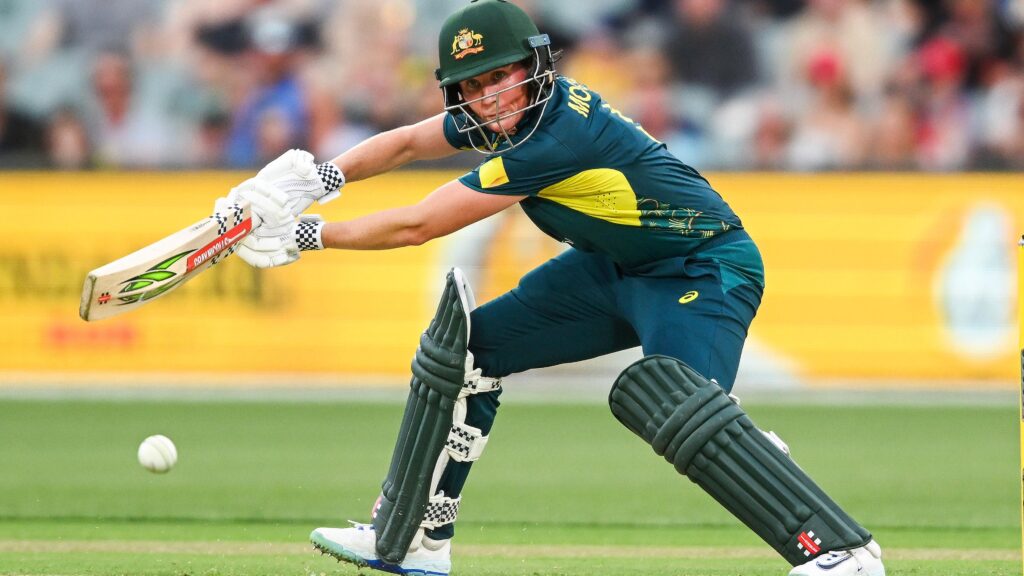

The Ashes: A Tale of Two Games
The Ashes, a storied rivalry between England and Australia, has long been a cornerstone of cricket’s legacy. While the men’s series has dominated headlines for over a century, the women’s Ashes has steadily carved its own path, demanding attention and respect. Recent efforts to elevate women’s cricket to the same stature as the men’s game signal a seismic shift in the sport’s landscape, with the 2023 and 2025 series serving as pivotal moments. This article dives into how the women’s Ashes is pushing for parity, blending history, progress, and challenges with a touch of passion for the game.
The Evolution of the Women’s Ashes
A Brief History
The women’s Ashes began in 1934, decades after the men’s series ignited in 1882. Initially overshadowed, it adopted a multi-format structure in 2013, combining Test matches, ODIs, and T20Is to mirror the modern game’s diversity. This change brought new energy, with record crowds and viewership signaling growing interest. The 2023 series, ending in an 8-8 draw, showcased the competitiveness that’s now driving the push for equality.
Why Parity Matters
Parity isn’t just about equal pay or match fees—it’s about respect, visibility, and opportunity. The England and Wales Cricket Board (ECB) announced match-fee parity in 2023, a landmark move following the women’s Ashes’ commercial success. With over 110,000 attendees and record TV audiences, the series proved women’s cricket could draw crowds and revenue on par with the men’s game. This milestone reflects a broader cultural shift toward valuing women’s contributions in sport.
The 2023 Ashes: A Turning Point
Record-Breaking Crowds
The 2023 women’s Ashes smashed attendance records, with sell-out crowds at Edgbaston, Lord’s, and The Oval. Over 795,000 viewers tuned into Sky Sports for the T20 at Lord’s, a 56% increase from 2019. These numbers aren’t just stats—they’re proof of a fanbase hungry for high-stakes women’s cricket. The electric atmosphere rivaled men’s matches, showing the game’s growing pull.
A Thrilling Draw
The series ended in an 8-8 tie, with Australia retaining the Ashes. England’s comeback from a 6-0 deficit, winning four of five white-ball matches, was a testament to their grit. Standout performances, like Tammy Beaumont’s double century and Sophie Ecclestone’s twin five-wicket hauls, electrified fans. This competitiveness underscored why women’s cricket deserves equal billing.
The 2025 Ashes: A Reality Check
Australia’s Dominance
Fast forward to 2025, and the women’s Ashes told a different story. Australia delivered a crushing 16-0 whitewash, including a humiliating innings defeat in the Test at Melbourne. Players like Ashleigh Gardner and Alana King dismantled England’s batting, exposing a gap in skill and strategy. Despite high hopes after 2023, England’s performance highlighted the challenges of closing the divide with a powerhouse like Australia.
Leadership Changes
The fallout was swift. Heather Knight, a stalwart captain since 2016, stepped down after the series, and head coach Jon Lewis was sacked. Knight’s legacy includes a 2017 World Cup win and inspiring a generation, but the 2025 loss underscored deeper issues. England’s rebuilding phase now faces scrutiny as they prepare for the 2025 World Cup.
Comparing Men’s and Women’s Ashes
Format Differences
The men’s Ashes features five Test matches, while the women’s series uses a multi-format points system (one Test, three ODIs, three T20Is). This structure keeps women’s matches dynamic but limits Test cricket exposure, which many argue is the ultimate format for showcasing skill.
| Aspect | Men’s Ashes | Women’s Ashes |
|---|---|---|
| Format | 5 Test matches | 1 Test, 3 ODIs, 3 T20Is |
| Duration | ~6 weeks | ~3 weeks |
| Match Fees (2023) | Equalized with women’s in 2023 | Equalized with men’s in 2023 |
| Viewership (2023) | 956,000 (peak, 3rd Test) | 795,000 (peak, T20 at Lord’s) |
Commercial Impact
The men’s Ashes has long been a commercial juggernaut, but the women’s series is catching up. Joint marketing in 2023 boosted ticket sales, with women’s matches selling out faster than some men’s fixtures. Sky Sports’ coverage of both series, featuring pundits like Isa Guha and Mel Jones, ensures consistent visibility, bridging the gap in media exposure.
Progress Toward Parity
Equal Pay Milestone
In August 2023, the ECB announced match-fee parity, a direct response to the women’s Ashes’ success. This move followed a report by the Independent Commission for Equity in Cricket, which noted a 20.6% pay gap in 2022-23. While match fees are now equal, overall salaries still lag, with a target for parity by 2028. This step signals intent but highlights the long road ahead.
Infrastructure and Development
Australia’s dominance stems from robust investment in women’s cricket. Their domestic structure, including the Women’s Big Bash League (WBBL), nurtures talent like Ellyse Perry and Annabel Sutherland. England’s regional system, introduced in 2020, is promising but needs time to match Australia’s depth. Grassroots programs are critical to sustaining this growth.
Pros and Cons of Current Efforts
Pros:
- Equal match fees boost player morale and public perception.
- Record crowds and viewership drive commercial viability.
- Multi-format series appeals to diverse audiences.
- Growing media coverage elevates player profiles.
Cons:
- Limited Test matches restrict women’s red-ball experience.
- Salary gaps persist despite match-fee parity.
- Australia’s dominance highlights competitive imbalances.
- Leadership instability (e.g., Knight’s exit) may slow progress.
Challenges to Overcome
Competitive Gap
The 2025 Ashes exposed England’s struggle to match Australia’s depth and adaptability. Australia’s spin duo of Gardner and King thrived in Melbourne, while England’s bowlers faltered under pressure. Closing this gap requires more Test cricket exposure and investment in spin bowling, an area where England lags.
Cultural Perceptions
Despite progress, women’s cricket still battles outdated stereotypes. Some broadcasters, like the BBC in 2023, faced criticism for using “the Ashes” interchangeably for both series, causing confusion. Clear branding, like the ECB’s distinction between Men’s and Women’s Ashes, is vital to cementing the women’s game’s identity.
Scheduling Conflicts
The women’s Ashes often plays second fiddle to the men’s series in scheduling. In 2025, the women’s series concluded before the men’s began, limiting crossover promotion. Aligning schedules could amplify visibility, as seen in 2023 when joint marketing drove ticket sales.
The Role of Fans and Media
Fan Engagement
Fans are the heartbeat of cricket’s rise. The 2023 series saw families, young girls, and diehard supporters pack stadiums, inspired by players like Nat Sciver-Brunt and Alyssa Healy. Social media buzz, like Georgie Heath’s viral tweet praising Australia’s prowess, amplifies this excitement. Engaging fans through affordable tickets and interactive events is key to sustaining momentum.
Media’s Responsibility
Sky Sports’ live coverage of every 2023 and 2025 match set a benchmark. Pundits like Charlotte Edwards and Ricky Ponting bring credibility, but media must avoid tokenism. Highlighting women’s tactical nous, like Healy’s captaincy or Beaumont’s resilience, ensures the narrative focuses on skill, not gender.
Personal Reflection: Why This Matters
Growing up, I watched my sister play cricket in our backyard, mimicking Shane Warne’s spin. She dreamed of being an England star, but women’s cricket rarely made the news. Today, seeing Tammy Beaumont’s double century or Ash Gardner’s five-wicket haul celebrated on prime-time TV feels like a victory for every kid with a bat. The Ashes isn’t just a series—it’s a stage for proving women’s cricket belongs at the top. But the 2025 whitewash reminded me that passion alone isn’t enough; systemic support is critical.
The Future of Women’s Ashes
More Test Matches
Fans and players, like those quoted in The Guardian, crave a multi-Test women’s Ashes. A single Test limits strategic depth, as seen in England’s 2025 collapse. Expanding to three Tests, as in the men’s series, would showcase endurance and skill, elevating the series’ prestige.
Global Inspiration
The Ashes’ push for parity could inspire other nations. India’s Women’s Premier League and Australia’s WBBL show how investment yields results. If England strengthens its domestic structure, it could challenge Australia by 2027, making the Ashes a true global benchmark.
Technology and Analytics
Data-driven coaching, like Australia’s use of analytics to target England’s weaknesses, is the future. England must adopt similar tools, analyzing pitch conditions and player stats to compete. Platforms like CricViz offer insights that could level the playing field.
People Also Ask (PAA)
What is the Women’s Ashes?
The Women’s Ashes is a biennial cricket series between England and Australia women’s teams, mirroring the men’s rivalry. Since 2013, it uses a multi-format points system, including one Test, three ODIs, and three T20Is. Points are awarded for wins (4 for Test, 2 for ODI/T20), with the highest total claiming the trophy.
When is the next Women’s Ashes?
The next Women’s Ashes is scheduled for January–February 2027 in Australia, following the 2025 series. Exact dates are typically announced a year in advance by Cricket Australia and the ECB. Check ECB’s official site for updates.
How can I watch the Women’s Ashes?
In the UK, Sky Sports broadcasts every match live, with streaming on NOW TV. In Australia, Channel 7 and Fox Sports cover the series. Highlights are often available on BBC Sport or YouTube for international viewers.
Why is the Women’s Ashes important?
The Women’s Ashes showcases top-tier women’s cricket, driving visibility and investment. Its growing popularity, evidenced by 2023’s record crowds, pushes for gender equity in pay and media coverage, inspiring future generations.
FAQ Section
How does the Women’s Ashes differ from the Men’s Ashes?
The Women’s Ashes uses a multi-format structure (Test, ODIs, T20Is) with points, while the Men’s Ashes is Test-only. Women’s matches are shorter in duration, and the single Test limits red-ball exposure compared to the men’s five Tests.
Why did England struggle in the 2025 Women’s Ashes?
England’s 16-0 loss stemmed from Australia’s superior depth, especially in spin bowling, and England’s inability to adapt to key moments. Leadership changes and limited Test experience also played a role.
How can fans support women’s cricket?
Fans can attend matches, watch broadcasts on Sky Sports or BBC, and engage on social media to boost visibility. Buying merchandise or joining local cricket clubs also supports grassroots growth.
What tools help follow the Women’s Ashes?
Apps like ESPN Cricinfo and Cricbuzz provide live scores and stats. Sky Sports’ website offers highlights, while ECB’s site shares schedules and tickets.
Is match-fee parity enough for equality?
While a major step, match-fee parity doesn’t address overall salary gaps or infrastructure disparities. Continued investment in training, domestic leagues, and media coverage is essential for true equality.
Conclusion: A Journey Unfinished
The women’s Ashes is more than a cricket series—it’s a movement. From record crowds in 2023 to the sobering 2025 whitewash, it reflects both progress and challenges. Equal match fees, growing viewership, and stars like Ellyse Perry and Tammy Beaumont are pushing women’s cricket toward parity with the men’s game. Yet, Australia’s dominance and England’s rebuilding phase show the gap persists. As a fan, I’m rooting for a future where my sister’s backyard swings are celebrated as fiercely as Ben Stokes’ heroics. With more Tests, investment, and fan support, the women’s Ashes could redefine cricket’s legacy. Let’s keep cheering—loudly.