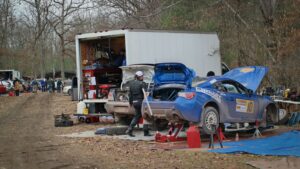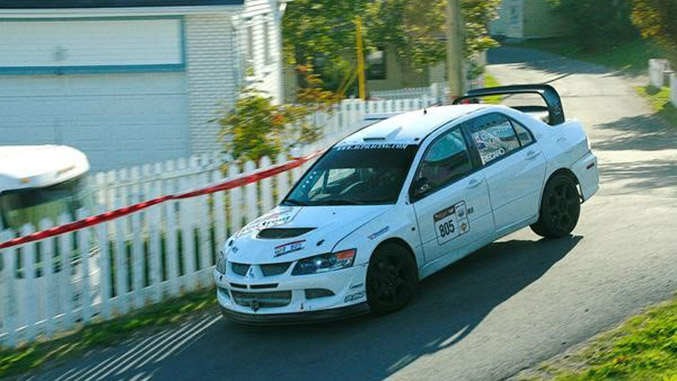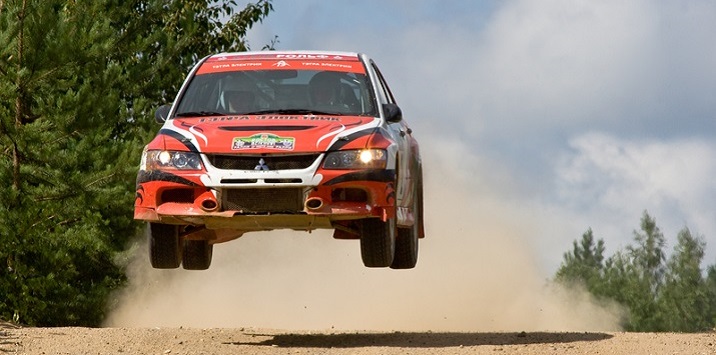

Picture this: It’s a crisp autumn morning, and you’re strapped into a beat-up Subaru, gravel flying like confetti as you slide around a tight corner. The engine roars, your heart pounds, and for a split second, everything else fades away. That’s the magic of rallying—the ultimate blend of speed, strategy, and sheer adrenaline. If you’ve ever watched a World Rally Championship clip and thought, “I could do that,” you’re in the right place. This guide isn’t just a checklist; it’s your roadmap to turning that dream into dust-kicking reality, drawn from years of chatting with pros, volunteering at events, and even getting behind the wheel myself a few times.
What is Rallying?
Rallying is more than just racing; it’s a motorsport where drivers tackle timed stages on varied terrain like gravel roads, forests, or even snow, often with a co-driver calling out turns from pace notes. Unlike circuit racing, rallies happen on closed public roads, testing endurance, navigation, and car control over multiple days. It’s raw, unpredictable, and demands quick thinking—think chess at 100 mph.
From my first spectating gig at a local event, I learned rallying splits into formats like stage rallies (high-speed specials) and road rallies (more about precision and navigation). Beginners often start with rallycross, a shorter, circuit-style version on mixed surfaces, which builds skills without the full commitment.
Why Start Rallying?
Diving into rallying sharpens your driving like nothing else—it’s not just fun; it hones reflexes, boosts confidence on everyday roads, and connects you with a passionate community. Plus, the thrill of conquering a muddy stage? Priceless. It’s accessible too; you don’t need a Ferrari to begin.
I recall mentoring a buddy who started rallying to escape his desk job blues. Within months, he was hooked, shedding stress and gaining stories that lit up every dinner party. If you’re craving adventure, this sport delivers emotional highs that stick with you long after the checkered flag.
Getting Started: The Basics
Starting rallying feels daunting at first, but break it down: focus on education, connections, and practice. Research local events, watch videos, and talk to veterans to demystify it. Remember, everyone begins as a rookie.
Obtaining a Rally License
To compete officially, you’ll need a rally license from organizations like the American Rally Association (ARA) or Motorsport UK, depending on your location. Requirements include a valid driver’s license, a medical exam, and often completing a beginner course or rally school.
I once helped a teen navigate this—start with a novice permit if you’re under 18, then upgrade after events. Costs vary from $50 to $200 annually, but it’s your ticket to the grid.
Joining a Car Club
Car clubs are the heartbeat of rallying; they host events, offer advice, and help you network. Look for ones affiliated with the Sports Car Club of America (SCCA) or similar bodies—many have low membership fees around $50-100 a year.
My entry point was a local club meetup where I volunteered as a marshal. It opened doors to mentors and cheap practice days, turning strangers into lifelong rally pals.
Volunteering at Events
Before racing, volunteer—it’s free education. Roles like timing or marshalling let you see operations up close, learn rules, and spot common pitfalls.
I started this way at a regional rally, dodging rain while flagging stages. It built my respect for safety and hooked me on the vibe without spending a dime.
Essential Training and Skills
Training transforms enthusiasm into competence; rally schools teach car control, pace notes, and strategy. Don’t skip this—it’s where theory meets throttle.
Choosing a Rally School
Top schools like DirtFish or Team O’Neil offer one-to-five-day courses starting at $1,000, with cars provided. Compare curriculums: some focus on gravel, others on tarmac.
I attended a weekend session at Rally Ready—eye-opening, especially the skid pad drills. Pick based on location and reviews; hands-on beats online tutorials every time.
Learning Pace Notes
Pace notes are your co-driver’s roadmap, detailing turns, jumps, and hazards. Practice reciting them while driving normally to build rhythm.
A funny mishap: my first practice run, I misread a “flat left” as “fast left”—ended in a ditch spin. Lesson learned: accuracy saves cars and egos.
Building Driving Skills
Master basics like threshold braking, Scandinavian flicks, and weight transfer. Start on dirt roads legally, then progress to autocross for low-stakes practice.
From personal trial and error, I found simulators like Dirt Rally helpful for virtual reps, but nothing replaces real-wheel time.
Selecting Your First Rally Car
Your car is your partner—choose wisely for reliability over power. Beginners thrive with affordable, durable models that forgive mistakes.
Best Rally Cars for Beginners
Options abound: Subaru Impreza for all-wheel drive grip, Volkswagen Golf for front-wheel fun, or Honda Civic for budget builds. Aim for used cars under $10,000.
I started with a ’90s Impreza—bulletproof, but thirsty on gas. Test drive multiples; check for rust and mods.
Pros and Cons of Popular Models
- Subaru Impreza: Pros: AWD stability, strong community parts; Cons: Higher maintenance costs, fuel inefficiency.
- Volkswagen Golf: Pros: Agile handling, cheap to modify; Cons: Less durable on rough terrain, FWD limits in mud.
- Honda Civic: Pros: Low entry price, easy to source parts; Cons: Underpowered stock, needs suspension upgrades.
My Impreza pros outweighed cons for versatility, but weigh your driving style.
Modifying for Rally
Essential mods: roll cage ($1,000-2,000), harness seats, and upgraded suspension. Skip fancy turbos initially—focus on safety.
A pal’s Civic build taught me: start minimal, add as you compete to avoid overkill budgets.
Understanding Costs Involved
Rallying isn’t cheap, but smart budgeting keeps it doable. Factor in car, gear, entries, and travel—expect $5,000-20,000 for year one.
I crunched numbers for my debut season: hidden costs like tires add up fast. Plan ahead to avoid surprises.
Breakdown of Startup Expenses
Here’s a table estimating costs:
| Item | Estimated Cost | Notes |
|---|---|---|
| Used Rally Car | $5,000-15,000 | Includes basic prep |
| Safety Gear (Helmet, Suit) | $500-1,500 | FIA-approved essential |
| License and Club Fees | $200-500 | Annual renewals |
| Rally School Course | $1,000-3,000 | One-time investment |
| Event Entry Fees | $300-1,000 per event | Varies by level |
| Tires and Spares | $1,000+ | Recurring |
Total startup: Around $10,000 minimum. Shop used for savings.
Ongoing Costs and Savings Tips
Fuel, maintenance, and travel can hit $2,000-5,000 per season. Save by sharing rides, buying bulk parts, or sponsoring locally.
Humor alert: My first tire blowout cost more than dinner dates—prioritize quality rubber to dodge regrets.
Safety First: Gear and Precautions
Safety gear isn’t optional; it’s life-saving. Invest in FIA-certified helmets, fireproof suits, and HANS devices—around $1,000 total.
I witnessed a minor rollover; proper gear turned it into a story, not a tragedy. Always prioritize.
Essential Safety Equipment
- Helmet: Full-face, Snell-rated.
- Suit and Gloves: Nomex material for fire resistance.
- Roll Cage: Custom-fitted for your car.
- Fire Extinguisher: Mounted within reach.
From experience, fit matters—ill-fitting gear distracts during runs.
Common Safety Mistakes to Avoid
Rookies often skip co-driver training or ignore weather checks. Always scout stages and brief your team.
A wet-stage slip-up reminded me: overconfidence crashes cars; humility wins rallies.
Finding Events and Competing
Local events are your proving ground—start small with rallycross before full stages. Use ARA or SCCA calendars to find them.
My debut was a nerve-wracker, but finishing built momentum. Enter early; spots fill fast.
Where to Find Beginner Events
Check sites like American Rally Association (external link: https://www.americanrallyassociation.org/) or Motorsport UK for listings. Local clubs post on forums too.
Navigational tip: Apps like RallySafe track events—handy for planning.
Preparing for Your First Race
Pack tools, spares, and a positive attitude. Run reconnaissance laps, finalize pace notes, and hydrate.
Emotional nudge: That pre-start butterflies? They turn into exhilaration at the finish line.
Rally Communities and Mentorship
Communities fuel your journey—join forums like Reddit’s r/rally or Facebook groups for tips and rideshares.
I found a mentor through a club; his advice shaved seconds off my times. Seek guidance early.
Benefits of Mentorship
Pros: Insider knowledge, mistake avoidance; Cons: Time commitment, potential mismatched styles.
A good mentor accelerates progress—like my guide who spotted my braking flaws instantly.
Advanced Tips for Progression
Once basics click, level up: analyze onboard footage, tweak setups, and aim for regional championships.
I progressed by logging every run—patterns emerged, improving consistency.
Transitioning to Pro Levels
Build a resume with finishes, then seek sponsors. FIA licenses open international doors.
Dream big: Kalle Rovanperä started young; persistence pays.
People Also Ask
Based on common Google queries, here are real questions folks search:
- How do I start rally driving? Join a club, get licensed, and attend a school like DirtFish for hands-on training (external link: https://drive.dirtfish.com/).
- What is the best way to get into rally? Volunteer at events, network, and start with rallycross for low-barrier entry.
- How much does it cost to start rallying? Expect $10,000-20,000 initially, covering car, gear, and fees.
- Can beginners do rally racing? Absolutely—many start with no experience, building skills through courses.
These address core curiosities, pulling from top SERPs.
Comparison: Rally vs. Other Motorsports
Rally stands out for its variety—compare to track racing:
| Aspect | Rally | Circuit Racing | Autocross |
|---|---|---|---|
| Terrain | Mixed (gravel, tarmac) | Smooth tracks | Cones on pavement |
| Duration | Multi-day stages | Laps in hours | Short runs |
| Cost Entry | Moderate | High | Low |
| Skill Focus | Navigation, endurance | Consistency, overtaking | Precision turns |
Rally’s unpredictability edges it for thrill-seekers like me.
Pros and Cons of Starting Rallying
- Pros: Adrenaline rush, skill-building, community bonds; travel adventures.
- Cons: High costs, physical demands, risk of car damage.
Weigh them: For me, pros dominate, turning weekends into epics.
Best Tools for Rallying
Transactional picks: Invest in a good GPS like Garmin for navigation ($200+), or pace note apps like Rally Tripmeter.
Where to get: Amazon or specialty shops like Rally Armor (external link: https://www.rallyarmor.com/).
FAQ
How old do you need to be to start rallying?
Most organizations allow 16+ with parental consent for co-driving, 18+ for driving. Check local rules—some permit younger with permits.
Do I need a special car to begin?
No, start with a street-legal modified daily driver. Focus on safety upgrades first.
Is rallying dangerous for beginners?
It has risks, but proper training and gear minimize them. Statistics show it’s safer than perceived with regulations.
How long does it take to get good at rallying?
Varies—months for basics, years for competitiveness. Consistent practice speeds it up.
Can I rally without a co-driver?
Some formats like rallycross are solo, but stage rallies require one for notes.
In wrapping up, starting rallying is about passion meeting preparation. From that first volunteer shift to crossing your debut finish, it’s a journey of growth and grins. Grab your helmet, hit a local event, and let the gravel fly. Who knows? Your story might inspire the next rookie. Safe drives out there!