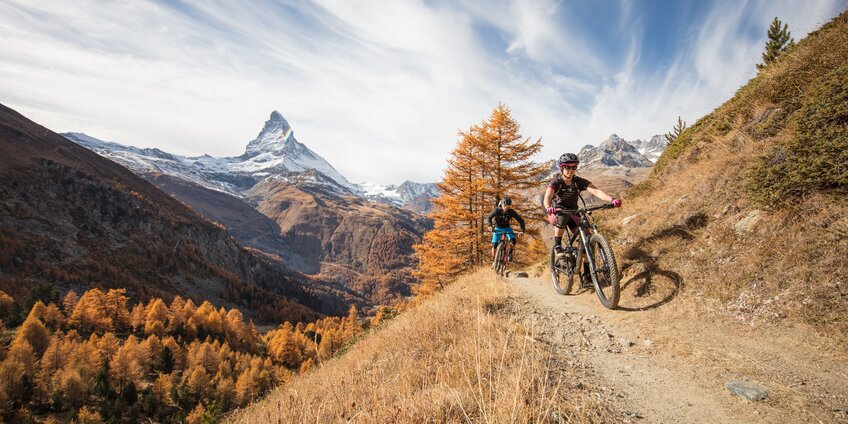

Imagine pedaling through crisp alpine air, with the jagged silhouette of the Matterhorn looming overhead like a silent guardian. That’s Zermatt for you—a car-free Swiss village tucked into the Valais region, where mountain biking isn’t just a sport; it’s a full immersion into nature’s raw beauty. I’ve chased trails around the world, from Colorado’s dusty singletracks to New Zealand’s lush forests, but Zermatt’s high-altitude playground stands out for its mix of challenging descents and postcard-perfect views. Whether you’re a newbie testing your balance on flowy paths or a pro hunting adrenaline rushes, this spot delivers without the crowds of more hyped destinations.
What Makes Zermatt a Mountain Biking Paradise?
Zermatt sits at the foot of 38 peaks over 4,000 meters, offering more than 100 kilometers of marked trails that weave through pine forests, glacial valleys, and rocky ridges. The elevation ranges from 1,400 to 3,100 meters, meaning you get everything from gentle lakeside loops to heart-pounding drops. What hooked me on my first visit was how the landscape shifts— one minute you’re cruising past wildflowers, the next you’re navigating exposed ledges with the Matterhorn photobombing every shot. It’s not just about the ride; it’s the sense of isolation up there, broken only by the occasional cowbell or fellow rider’s whoop of joy.
Best Time to Go Mountain Biking in Zermatt
Summer reigns supreme here, from mid-June to late September, when snow melts away and trails open up under blue skies. Temperatures hover around 15-25°C in the valley, cooling off higher up, but watch for afternoon showers that can turn dirt to slick mud. I once got caught in a late-August drizzle on a descent—slippery fun, but a reminder to pack rain gear. Avoid early spring or late fall unless you’re into fat biking on snow; lifts run reliably in peak season, making multi-run days a breeze.
Essential Gear and Bike Rentals in Zermatt
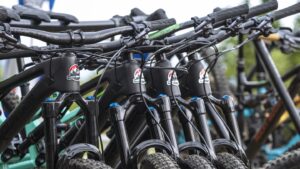
You don’t need to haul your own rig across the Atlantic—Zermatt’s got you covered with top-notch rentals that cater to every style, from hardtails for casual cruises to full-suspension enduros for techy terrain. Helmets are non-negotiable, and I’d toss in knee pads after a minor tumble reminded me how sharp those alpine rocks can be. Gloves, hydration packs, and repair kits round out the basics; don’t skimp on sunblock either, as UV rays hit harder at altitude.
- Slalom Sport: Great for high-end bikes like Scott or Specialized; daily rentals start at around CHF 50. They tuned my suspension perfectly before a big day out.
- Bayard Sport: Family-friendly with e-bikes and kids’ options; expect CHF 40-70 per day, plus helpful trail maps.
- Matterhorn Sport: Convenient location near the train station; specializes in e-MTBs for those uphill grinds, from CHF 60.
- BikeSchool Zermatt: Combines rentals with lessons; ideal if you’re rusty, with packages around CHF 80 including gear.
For a quick comparison of rental spots:
| Shop | Price Range (CHF/day) | Bike Types | Perks |
|---|---|---|---|
| Slalom Sport | 50-100 | MTB, Enduro | Expert tuning |
| Bayard Sport | 40-70 | E-bike, Family | Trail advice |
| Matterhorn Sport | 60-90 | E-MTB, Hardtail | Central spot |
| BikeSchool Zermatt | 80+ | All levels | Lessons included |
Top Mountain Bike Trails in Zermatt
With trails rated from blue (easy) to black (expert), Zermatt lets you build confidence or push limits. I always start with a warm-up loop to shake off jet lag, then dive into the epics. Use the Matterhorn Paradise lifts for easy access— a day pass runs about CHF 50 and saves your legs for the fun parts.
Easy Trails for Beginners
These forgiving paths focus on flow and scenery, perfect for families or first-timers easing into alpine riding. They’re mostly wide, with gentle gradients that build skills without overwhelming.
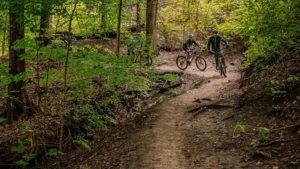
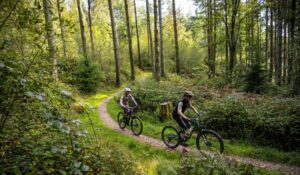
The Sunnegga Flow Trail stands out as a 7km gem, dropping 700 meters from Sunnegga station back to town through larch forests. It’s all berms and rollers, with the Matterhorn peeking through trees—pure joy without the fear factor. I took my niece here last summer; she went from tentative to grinning ear-to-ear in one run.
- Moos Trail: Short 4km loop around Furi, with meadow views and minimal tech; great for picnics.
- Four Lakes Bike Tour: 12km circuit visiting Grindjisee and others; reflective waters make for Instagram gold.
Intermediate Trails for Building Confidence
Step up to medium difficulty, where roots and switchbacks add spice but stay manageable. These demand some fitness but reward with panoramic payoffs.
The Gornergrat Classic is my go-to: 11km from the Gornergrat viewpoint down to Zermatt, mixing gravel paths with singletrack. Glacial vistas unfold as you descend— I paused midway once to watch ibex scamper, feeling like I’d stepped into a National Geographic spread. It’s about 1,500m of drop, so pace yourself.
- Glacier Garden Tour: 15km exploring moraines and forests; moderate climbs test endurance.
- Matterhorn Valley Trail: 37km epic linking valleys; varied terrain keeps it engaging.
Advanced Trails for Adrenaline Junkies
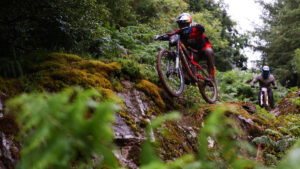
For pros, Zermatt’s blacks deliver steep, technical descents that test every skill. Expect loose rocks, drops, and exposure— not for the faint-hearted.
The Schönbiel Trail pushes boundaries: a steep climb to the hut, then a sheer drop rewarding with untouched alpine solitude. I white-knuckled a section last trip, heart racing, but the hut’s cheese fondue at the end made it worthwhile. Humor aside, one wrong move and you’re tumbling—stick to your limits.
- Europaweg Sections: High-exposure paths with suspension bridges; thrilling but demanding.
- Zmutt Glacier Ride: Rocky, glacial terrain; carry spots add adventure.
Pros and Cons of Zermatt Trails:
Pros:
- Stunning Matterhorn views on nearly every route.
- Lift access minimizes uphill slogs.
- Variety suits all riders.
Cons:
- Weather can shut lifts unpredictably.
- Shared with hikers—yield politely.
- Altitude might cause fatigue for sea-level folks.
Comparing Zermatt to other Swiss spots like Verbier (more bike park vibes) or Davos (longer epics), Zermatt wins for iconic scenery but lags in dedicated parks.
Guided Tours vs. Solo Adventures
Hiring a guide unlocks hidden gems and safety nets, especially if trails feel intimidating. Groups like Zermatters or Alpine Trails offer half-day sessions from CHF 150, tailoring to your level.
On my solo runs, I’ve loved the freedom—downloading Trailforks app for navigation, following signs that are surprisingly clear. But a guide once led me to an off-map singletrack that blew my mind, avoiding tourist bottlenecks.
Pros of Guided Tours:
- Local knowledge skips trial-and-error.
- Skill-building tips mid-ride.
- Group camaraderie.
Cons:
- Costlier than going alone.
- Less flexibility in pace.
Pros of Solo:
- Set your own adventure.
- Cheaper, just lift passes.
- Personal triumphs feel sweeter.
Cons:
- Navigation mishaps possible.
- No immediate help if issues arise.
If you’re intermediate or below, start guided; experts, fly solo.
Safety Tips and Trail Etiquette in Zermatt
Riding here means respecting the code: share paths, protect nature, and stay safe. Altitude sickness hit me mildly once—headache city—so acclimate slowly.
- Yield to hikers and uphill riders; a friendly “grüezi” goes far.
- Check weather apps; storms brew fast.
- Carry water, snacks, and a first-aid kit—cell service dips in valleys.
- Wear protective gear; rocks don’t forgive.
- Leave no trace—pack out trash.
Where to Stay and Eat After a Day on the Trails
Base in Zermatt’s village for easy access; options range from cozy hostels to luxe chalets. I crashed at a mid-range spot like Hotel Perren last time—CHF 150/night, with bike storage.
Fuel up on Swiss staples: fondue at Whymper-Stube (hearty post-ride bliss) or lighter salads at Brown Cow Pub. For transactional vibes, book via Booking.com for deals, or hit Zermatt.ch for official listings.
People Also Ask
Based on common Google queries, here’s the scoop:
Is mountain biking good in Zermatt? Absolutely—world-class trails with epic views make it a top Swiss spot, though shared paths require courtesy.
Do you recommend a guide for mountain biking in Zermatt? Yes for beginners or to discover secrets; solo works for experienced riders using apps like Trailforks.
What are the best mountain bike trails in Zermatt? Sunnegga Flow for fun, Gornergrat for views, Schönbiel for challenges—over 100km total.
Can you mountain bike in Zermatt in September? Definitely; milder crowds and crisp air, but check lift schedules as some close mid-month.
FAQ
What is the cost of a bike rental in Zermatt? Expect CHF 40-100 per day, depending on type; e-bikes run higher for easier climbs.
Where to get lift passes for mountain biking? Buy at Matterhorn Paradise stations or online via their site; day passes around CHF 50.
Best tools for planning Zermatt rides? Apps like Trailforks or AllTrails for maps; check Red Bull’s guide for insider tips.
Is Zermatt suitable for beginner mountain bikers? Yes, with easy trails like Sunnegga; start there before advancing.
How to get to Zermatt for biking? Train from major Swiss cities—car-free town means park in Täsch and shuttle in.
Zermatt’s mountains called me back twice already, each time unveiling new thrills amid timeless peaks. Whether chasing sunsets on a flow trail or conquering a black diamond, it’s the kind of place that resets your soul. Pack your bike (or rent one), lace up, and let the Alps work their magic—you won’t regret it. For more on Zermatt’s hiking trails or winter skiing, dive deeper into our site. Safe rides!