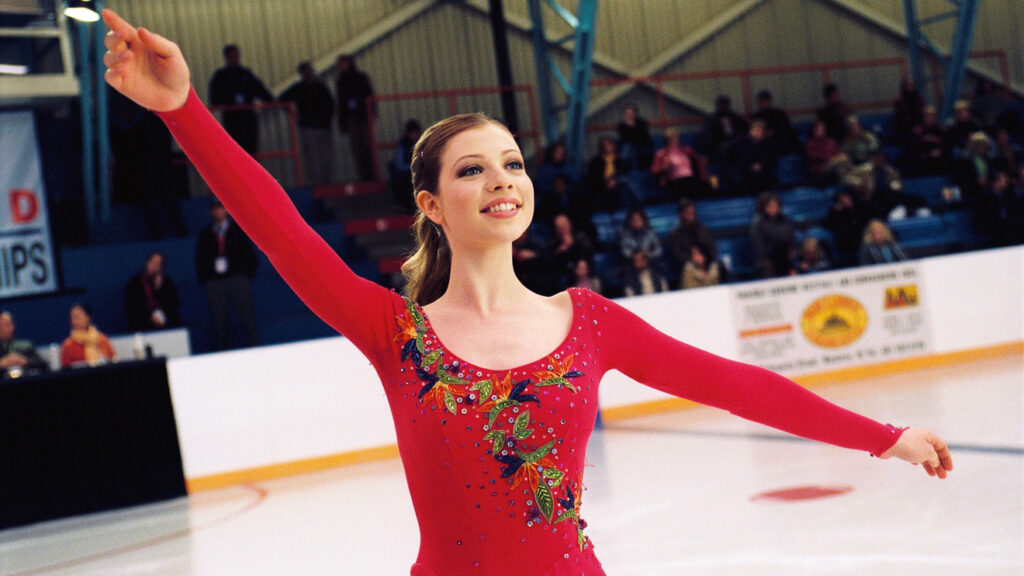

The Glittering Dream of Olympic Figure Skating
Figure skating captivates millions with its blend of athleticism and artistry, but behind the sequins and spins lies a financial reality that can feel as daunting as a quadruple axel. For aspiring Olympians, the journey to the podium demands not just talent and dedication but also a hefty investment. This article dives deep into the costs of competitive figure skating, breaking down expenses, sharing real stories, and offering insights for families chasing the Olympic dream.
suon. Let’s lace up and explore the price of pursuing gold.
The High Cost of Grace on Ice
Why Figure Skating Is So Expensive
Figure skating combines precision, strength, and showmanship, but it’s one of the priciest Olympic sports. Annual costs for competitive skaters can range from $35,000 to over $100,000, depending on the level of competition. From elite coaching to custom costumes, every element adds up, making the sport a significant financial commitment.
Breaking Down the Costs
To understand the financial burden, let’s dissect the major expenses. Each component of figure skating training and competition carries a price tag that accumulates quickly, especially for those aiming for the Olympics.
Ice Time
Access to a rink is non-negotiable, but it’s not cheap. Ice time costs $5–$20 per hour, and elite skaters train 3–6 hours daily, six days a week. This can total $12,000–$24,000 annually, with costs varying by region and rink quality.
Coaching Fees
Top-tier coaches charge $65–$150 per hour, and Olympic hopefuls often work with multiple coaches specializing in jumps, spins, or choreography. Weekly coaching can cost $1,000–$3,000, totaling $50,000 or more yearly.
Skates and Equipment
Quality figure skates are essential, with boots and blades costing $1,000–$2,000 per pair. Elite skaters may replace them annually due to wear, and sharpening ($15–$25 monthly) adds to the tally. Expect $1,500–$2,500 per year.
Costumes
A single custom costume can cost $1,000–$10,000, depending on materials and design. Competitive skaters need at least two outfits (short and free programs) plus backups, totaling $2,000–$20,000 per season.
Choreography
A professional choreographer crafts routines, charging $1,500–$10,000 per program. With two programs per season, this expense ranges from $3,000–$20,000 annually.
Travel and Competition Fees
Skaters on the Grand Prix circuit attend 4–6 competitions yearly, with entry fees of $100–$500 each. Travel costs, including flights, hotels, and coach expenses, can reach $10,000–$20,000 per year.
Off-Ice Training
Ballet, strength training, and physical therapy are crucial to prevent injuries and enhance performance. These can cost $2,000–$5,000 annually, with physical therapy sessions running $90–$350 each.
| Expense Category | Annual Cost Range |
|---|---|
| Ice Time | $12,000–$24,000 |
| Coaching | $50,000–$150,000 |
| Skates & Equipment | $1,500–$2,500 |
| Costumes | $2,000–$20,000 |
| Choreography | $3,000–$20,000 |
| Travel & Fees | $10,000–$20,000 |
| Off-Ice Training | $2,000–$5,000 |
| Total | $80,500–$241,500 |
The Journey: From Beginner to Olympian
Starting Out: Learn-to-Skate Programs
Beginners often start with group lessons, costing $100–$200 for a 10-week series, including skate rental. Practice sessions add $5–$10 per hour. For a 13-year-old like Jazlyn, starting recreationally, annual costs might stay below $5,000 with minimal private coaching.
Recreational Skating
Recreational skaters spend $150–$300 on skates, $30–$50 on practice attire, and $10–$20 monthly for sharpening. Local competitions and test fees add $500–$1,000 yearly. Total costs range from $5,000–$10,000 annually.
Competitive Skating: The Big Leap
At the preliminary to juvenile levels, skaters train 90 minutes daily, five days a week, with costs of $7,000–$10,000 per year. Intermediate and senior levels require 3–4 daily sessions, pushing costs to $20,000–$50,000 or more.
The Olympic Track
Olympic-level skaters face expenses of $70,000–$120,000 annually. Stories like that of Gabbie Han-Garrote, whose family spends nearly $100,000 yearly, highlight the sacrifices involved, from second mortgages to living in RVs.
Real Stories: The Human Side of the Costs
A Family’s Sacrifice
Aleksandra, a Toronto mother, spends $10,000 yearly on her 11-year-old daughter Ana’s skating. The family skips private school and vacations to support Ana’s Olympic dreams, a common trade-off for many. “It’s about structure and hard work,” Aleksandra says, but the financial strain is nerve-wracking.
Adam Rippon’s Reality Check
Former Olympian Adam Rippon revealed spending $70,000–$120,000 annually, covering $1,000 monthly ice time, $1,000–$3,000 for coaching, and $3,500–$10,000 per program. “It’s like paying for a massage every day, except you get yelled at,” he quipped.
The Emotional Toll
At 14, Yelena witnessed two training mates quit due to costs, a tearful moment that underscored the sport’s financial barrier. “It’s a privilege,” she writes, advocating for programs like Figure Skating in Harlem to make skating accessible.
Pros and Cons of Pursuing Olympic Figure Skating
Pros
- Personal Growth: Develops discipline, resilience, and time management.
- Potential Earnings: Top skaters can earn $18,000–$64,000 in prize money from major competitions like the Grand Prix or Worlds.
- Sponsorships: Elite skaters may secure deals, like Nike’s $125,000 annual base pay.
- Life Skills: Teaches goal-setting and perseverance.
Cons
- High Costs: $35,000–$120,000 annually, with no guaranteed return.
- Physical Strain: Injuries like stress fractures are common, adding medical costs.
- Time Commitment: 14+ hours weekly, often requiring homeschooling.
- Financial Risk: Most skaters don’t break even unless in the top six globally.
Financial Support and Cost-Cutting Strategies
Scholarships and Funding
U.S. Figure Skating offers performance-based scholarships, but they’re competitive and cover only a fraction of costs. In some countries, government grants or federations provide stipends for training and travel.
Cost-Cutting Tips
- Second-Hand Skates: Save $200–$400 per pair.
- DIY Costumes: Sew and embellish dresses to cut costs by 50%.
- Local Competitions: Reduce travel expenses by sticking to nearby events.
- Bartering: Parents can work as rink staff for ice time credits.
Sponsorship Opportunities
Top skaters may attract sponsors, but this is rare below the elite level. Gracie Gold secured endorsements as a junior, but most skaters rely on family funds.
People Also Ask (PAA)
How much does it cost to become an Olympic figure skater?
Annual costs range from $35,000–$120,000, covering ice time, coaching, skates, costumes, choreography, travel, and training. Elite skaters may spend over $100,000 yearly.
Is figure skating only for the wealthy?
While expensive, scholarships, second-hand equipment, and local competitions can make it accessible. Programs like Figure Skating in Harlem help lower barriers.
Do Olympic figure skaters make money?
Top skaters earn $18,000–$64,000 in prize money and may secure sponsorships, but most don’t break even unless ranked globally in the top six.
How can I reduce figure skating costs?
Use second-hand skates, sew costumes, compete locally, and barter for rink time. Group lessons for beginners can also save money.
Comparison: Figure Skating vs. Other Olympic Sports
| Sport | Annual Cost | Key Expenses |
|---|---|---|
| Figure Skating | $35,000–$120,000 | Coaching, costumes, ice time |
| Alpine Skiing | $20,000–$80,000 | Equipment, travel, coaching |
| Gymnastics | $10,000–$50,000 | Coaching, gym fees, travel |
| Swimming | $5,000–$30,000 | Pool fees, coaching, equipment |
Figure skating’s high costs stem from custom costumes, choreography, and intensive coaching, unlike swimming’s lower equipment needs.
Tools and Resources for Aspiring Skaters
Best Tools for Figure Skating
- Skate Sharpening Services: Local rinks offer sharpening for $15–$25. U.S. Figure Skating
- Choreography Software: Hudl Technique for video analysis, $99/year.
- Training Apps: MySkateCoach offers online lessons, $10–$50/month.
Where to Get Started
- Local Rinks: Find learn-to-skate programs via U.S. Figure Skating.
- Skating Clubs: Join for access to coaches and ice time. Skate Canada
- Financial Aid: Apply for scholarships through national skating federations.
Transactional Options
- Skate Brands: Riedell, Jackson, and Edea offer quality skates ($150–$1,000).
- Costume Designers: Local seamstresses or Revolutionskating.com for custom outfits.
- Coaching Directories: Professional Skaters Association lists certified coaches.
FAQ
How much does figure skating cost for beginners?
Beginners spend $5,000–$10,000 yearly on group lessons, skates, and practice ice time. Costs rise with private coaching and competitions.
Can you make a living as a figure skater?
Only top skaters earn significant income through prize money ($18,000–$64,000) and sponsorships. Most rely on family support or side jobs.
Are there scholarships for figure skating?
Yes, U.S. Figure Skating and Skate Canada offer performance-based scholarships, but they’re competitive and limited.
How many hours do Olympic figure skaters train?
Elite skaters train 14–30 hours weekly, including 3–6 hours of ice time, plus off-ice ballet and conditioning.
What’s the most expensive part of figure skating?
Coaching is often the largest expense, costing $50,000–$150,000 annually for elite skaters working with multiple coaches.
Conclusion: Is the Olympic Dream Worth the Cost?
Chasing Olympic figure skating glory is a dazzling but costly pursuit. From $35,000 to over $100,000 annually, the financial burden tests families’ resolve, yet the rewards—discipline, artistry, and potential fame—drive many to persevere. Whether you’re a parent budgeting for a budding skater or a teen like Jazlyn dreaming big, understanding the costs and exploring scholarships, sponsorships, and cost-cutting strategies can make the journey feasible. With passion and planning, the ice can lead to unforgettable moments, even if gold remains elusive.