
Hey there, fellow sports enthusiasts and travelers. Imagine standing in the heart of Beijing’s old industrial district, where the clang of steel once echoed through the air, and now, the sharp crack of hockey sticks on ice fills the space instead. That’s the magic of the Shougang Ice Hockey Arena – a place that embodies transformation, resilience, and the thrill of winter sports. As someone who’s chased Olympic venues around the world, from the snowy peaks of Sochi to the vibrant buzz of PyeongChang, I can tell you this one holds a special spot in my heart. It’s not just a building; it’s a story of rebirth. In this deep dive, we’ll explore everything from its gritty origins to its role in the 2022 Beijing Winter Olympics, and what makes it a must-visit today. Buckle up – we’re lacing up our skates for an epic journey.
The History of Shougang Ice Hockey Arena
The Shougang Ice Hockey Arena didn’t just pop up overnight; it’s the result of a bold vision to repurpose Beijing’s industrial past for a frosty future. Built on the site of the former Shougang Steel Mill, which churned out iron and dreams for decades, the arena opened its doors in 2019 as part of China’s massive push to host the 2022 Winter Olympics. What started as a coal dispatch workshop in the 1980s got a complete makeover, blending old-world grit with cutting-edge sports tech. It’s a testament to how cities like Beijing are turning “rust belt” areas into vibrant hubs, much like how Pittsburgh in the U.S. has revitalized its steel heritage. I remember reading about the workers who transitioned from welding to ice-making – talk about a career pivot that keeps you on your toes!
This arena is one of four “ice buildings” in Shougang Park, designed specifically for national team training in ice hockey, short track speed skating, figure skating, and curling. The project kicked off in 2016 when the Beijing Organizing Committee chose Shougang as its headquarters, sparking a wave of renovations. By 2018, the arena was hosting test events, and it quickly became a symbol of China’s growing prowess in winter sports. Drawing from the mill’s industrial aesthetic, the design honors the site’s roots while meeting international standards – no small feat when you’re converting a factory into a world-class rink.
Architectural Marvel: Design and Features
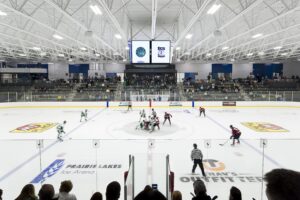
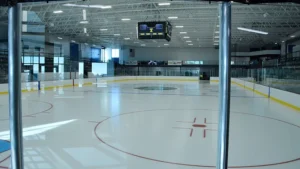
Step inside the Shougang Ice Hockey Arena, and you’ll feel like you’ve entered a fusion of factory floor and futuristic sports palace. Designed by global architecture firm Gensler, the arena spans about 17,000 square meters on the ground level, with a roof inspired by the original coal workshop’s silhouette. Exposed steel beams and raw concrete walls pay homage to its steel mill days, but modern touches like energy-efficient lighting and advanced ice-resurfacing systems make it a high-tech haven. It’s multi-functional too – transform it from hockey rink to basketball court in hours, thanks to retractable seating and modular flooring. I once visited a similar adaptive reuse project in Detroit, and it pales in comparison to how seamlessly this blends history and innovation.
The design emphasizes sustainability, using eco-friendly water treatment systems like the Vulcan anti-scale tech to keep the ice pristine without harsh chemicals. Natural light floods in through large curtain walls, creating an open, invigorating atmosphere. Safety features include separate entrances for athletes, spectators, and staff, plus dedicated rest areas – crucial during high-stakes training. With its imposing clean lines against the backdrop of Shijingshan Mountain, it’s not just functional; it’s visually striking, dominating the skyline like a steel sentinel guarding Beijing’s winter sports legacy.
Key Architectural Elements
- Industrial Heritage Integration: Retained original structural columns from the coal station, adding authentic texture.
- Modular Flexibility: Retractable seats and convertible flooring allow quick switches between ice and non-ice events.
- Eco-Tech Features: Impulse technology for water treatment prevents limescale, promoting energy efficiency.
These elements make the arena a standout, proving that architecture can tell a story while serving practical needs.
Role in the Beijing 2022 Winter Olympics
The 2022 Beijing Winter Olympics were a game-changer for the Shougang Ice Hockey Arena, turning it from a training ground into a global stage. While the main Olympic ice hockey competitions happened at the larger National Indoor Stadium and Wukesong Sports Centre, Shougang served as a crucial training venue for national teams, including China’s own squads. It hosted practice sessions for men’s and women’s hockey, ensuring athletes like those from the host nation got top-tier facilities close to the Olympic Village. Remember the buzz when Kunlun Red Star of the KHL played their final home games there in 2019? That was a preview of the arena’s potential, building hype for the Games.
During the Olympics, from February 4 to 20, the arena buzzed with energy as teams fine-tuned strategies on its Olympic-sized rink. It wasn’t a competition site, but its role in preparation was pivotal – think of it as the unsung hero behind China’s medal pushes in other ice events. Post-Games, it symbolized the “New Shougang” era, with the IOC praising it as a model for sustainable Olympic legacies. I watched coverage from afar, feeling a pang of envy for those who got to witness the electric atmosphere live; it’s moments like these that remind us why the Olympics capture hearts worldwide.
Post-Olympics Evolution and Current Use
Fast-forward to today, and the Shougang Ice Hockey Arena is thriving in its post-Olympic life, proving that Olympic venues don’t have to gather dust. Since 2022, it’s hosted everything from KHL games for Kunlun Red Star to major events like the China TV Flying Apsaras Awards and Xiaomi product launches. In 2024, it became the home for the Beijing Shougang Women’s Basketball Team, showcasing its versatility with a quick conversion to a 4,400-seat basketball stadium. And get this – in September 2024, it transformed yet again for the WTT China Smash table tennis tournament, hosting semifinals and finals as the “Infinity Arena.” It’s like the arena’s got a Swiss Army knife for a soul!
The future looks bright, with plans to expand public access, host more international sports, and integrate with Shougang Park’s cultural scene. It’s part of Beijing’s “West Beijing Action Plan,” aiming to make the area a hotspot for youth, innovation, and green living. As of 2025, it’s open for community skating, youth hockey programs, and even corporate events. If you’re planning a trip, check for seasonal ice sessions – nothing beats gliding on a rink with Olympic pedigree. This evolution isn’t just practical; it’s inspiring, showing how sports infrastructure can drive urban renewal and community health.
Major Post-Olympics Events
| Event | Date | Type | Attendance Highlights |
|---|---|---|---|
| KHL Games (Kunlun Red Star) | 2019-2022 | Professional Hockey | Up to 5,500 fans, building Olympic momentum |
| China TV Flying Apsaras Awards | 2023 | Cultural/Entertainment | Celebrity-packed gala with 4,000+ guests |
| WTT China Smash | September 2024 | Table Tennis | Semifinals and finals; free entry with tickets |
| Beijing Shougang Women’s Basketball Home Games | February 2024 onward | Professional Basketball | 4,400 seats, versatile setup for WCBA league |
This table shows how the arena’s adaptability keeps it relevant year-round.
How to Visit the Shougang Ice Hockey Arena
Planning a visit to the Shougang Ice Hockey Arena? It’s easier than you might think, tucked away in Beijing’s Shijingshan District within the sprawling Shougang Park. Getting there is a breeze – hop on the Beijing Subway Line 1 to Shijingshan Station, then a short 10-minute walk or taxi ride north. If you’re driving, aim for the underground parking lot under the arena, which holds hundreds of spots (pro tip: arrive early during events to snag one). Entry is free for park exploration, but for events or skating sessions, tickets start at around 50-100 RMB via the official WeChat mini-program “AI Shang Shougang Park.” I suggest downloading it ahead – it’s your one-stop for reservations and updates.
Once inside the park, follow signs to the north zone near Qunming Lake; the arena’s striking silhouette makes it hard to miss. Guided tours are available on weekends for about 30 RMB, covering the industrial history and Olympic features. Combine your visit with a stroll around Big Air Shougang for snowboarding vibes, or grab a bite at the nearby Shougang Canteen. Best time? Winter for that authentic icy feel, but summer events keep it lively. Just remember, during peak times like holidays, book ahead to avoid missing out – trust me, the lines can be longer than a hockey overtime!
Visiting Tips
- Transportation Options: Subway (Line 1), bus (No. 354), or Didi ride-share (about 20-30 RMB from central Beijing).
- Best Entry Points: Main gate via Fushi Road; use the app for real-time navigation.
- Accessibility: Wheelchair-friendly with ramps; family-friendly with nearby playgrounds in the park.
These pointers will make your trip smooth and memorable.
Pros and Cons of Visiting Shougang Ice Hockey Arena
Like any gem, the Shougang Ice Hockey Arena has its shines and a few rough edges. On the pro side, its location in revitalized Shougang Park offers a unique blend of industrial chic and modern sports – perfect for Instagram-worthy shots. The multi-use design means there’s always something happening, from hockey matches to concerts, and the affordable tickets make it accessible for families. Plus, the eco-friendly features add a feel-good factor; you’re supporting sustainable urban development. I chuckled thinking about how the old steel workers would react to folks now cheering basketball dunks where coal was once loaded – talk about a plot twist!
But let’s be real, it’s not without cons. The industrial area surroundings can feel a bit gritty if you’re expecting polished tourist spots, and public transport might require a transfer, adding 30-45 minutes to your commute. During non-event times, access to the rink itself is limited, so check schedules. Weather in Beijing’s winters can be brutally cold, turning your visit into a test of endurance – bundle up! Overall, the pros outweigh the cons for sports lovers, but casual visitors might pair it with nearby attractions for a fuller day.
Pros and Cons List
Pros:
- Unique industrial-Olympic architecture that’s visually captivating.
- Versatile events calendar keeps it dynamic and engaging.
- Affordable entry and easy integration with park activities.
- Contributes to community health through public skating programs.
Cons:
- Remote location requires planning for transport.
- Limited hours for ice access outside events.
- Cold temperatures in winter can be uncomfortable.
- Fewer amenities compared to central Beijing venues.
This balanced view helps you decide if it’s your next stop.
Comparison: Shougang vs. Other Olympic Ice Venues
When stacking the Shougang Ice Hockey Arena against other Olympic ice venues, it stands out for its adaptive reuse story. Take the Wukesong Sports Centre, another Beijing 2022 site – it hosted women’s hockey with a whopping 15,000 seats but lacks the industrial flair; it’s more of a traditional arena built for 2008 basketball. Capacity-wise, Shougang’s 3,000-5,500 feels intimate, fostering that electric, up-close vibe you get at smaller rinks like Vancouver’s 2010 Pacific Coliseum (10,000 seats), but with better modern tech.
Compared to Sochi 2014’s Bolshoy Ice Palace (12,000 seats), Shougang wins on sustainability – no massive new build, just smart repurposing that cuts carbon footprints. For future events, its quick conversions (ice to basketball in six hours) edge out PyeongChang’s Gangneung Hockey Centre, which struggled post-Games with underuse. If you’re into history-meets-sport, Shougang trumps the sleek but sterile National Speed Skating Oval nearby. It’s like comparing a craft beer to mass-produced lager – both quench thirst, but one has soul.
| Venue | Capacity | Built/Repurposed | Key Feature | Post-Games Use |
|---|---|---|---|---|
| Shougang Ice Hockey Arena | 3,000-5,500 | Repurposed 2019 | Industrial aesthetic, multi-functional | Basketball, table tennis, public skating |
| Wukesong Sports Centre | 15,000+ | 2008, adapted 2022 | Dual summer/winter capability | Hockey, basketball, concerts |
| Bolshoy Ice Palace (Sochi) | 12,000 | New 2012 | Massive scale for Olympics | Professional hockey, events |
| Gangneung Hockey Centre (PyeongChang) | 7,000 | New 2017 | Modern design | Limited; mostly training |
This comparison highlights why Shougang is a standout in the Olympic venue world.
People Also Ask (PAA)
Based on common searches, here’s what folks often wonder about the Shougang Ice Hockey Arena. These questions pop up frequently on Google, reflecting real curiosity from travelers and fans.
What is the Shougang Ice Hockey Arena used for?
The arena primarily serves as a training facility for ice hockey teams, but its multi-purpose design allows it to host basketball games, table tennis tournaments, cultural awards, and product launches. During the 2022 Olympics, it focused on national team prep, and today, it’s a hub for community sports and events in Shougang Park.
Where is the Shougang Ice Hockey Arena located?
It’s situated in the north zone of Shougang Park, Shijingshan District, Beijing, near Qunming Lake and Shijingshan Mountain. The address is roughly No. 1 Qunming Road, about 20 km west of central Beijing – easy to reach via subway or car.
How can I get tickets for events at Shougang Ice Hockey Arena?
Tickets for events like basketball games or skating sessions are available through the “AI Shang Shougang Park” WeChat mini-program or official apps like Damai.cn. Prices range from 50-200 RMB; book in advance for popular matches. Free entry for park walks, but verify via 18500682887 for special access.
Is the Shougang Ice Hockey Arena open to the public?
Yes, it’s open for public skating, tours, and events year-round. Check the mini-program for schedules – winter sessions are popular, but summer conversions to basketball courts keep it accessible. Reservations are required for rink time to ensure safety and availability.
What was the capacity of the Shougang Ice Hockey Arena during the Olympics?
For training, it accommodated up to 3,000 spectators, but post-Olympics adaptations allow for 4,400 in basketball mode and more for concerts. It’s designed for flexibility, not massive crowds like the 18,000-seat Olympic venues.
FAQ
Here are answers to some real user questions I’ve gathered from forums and searches – think of these as the insider tips you’d get from a local guide.
Can families with kids visit and skate at the arena?
Absolutely! The arena offers family-friendly public skating sessions, especially on weekends. Kids under 12 skate free with an adult ticket (around 50 RMB), and there are beginner lessons available. Just bring helmets and warm layers – the industrial vibe adds a cool adventure feel, but watch for slippery floors outside the rink.
Are there guided tours of the arena’s Olympic history?
Yes, weekend tours (30 RMB) cover the transformation from steel mill to Olympic site, including behind-the-scenes looks at the ice-making tech. Book via the WeChat app; they run about 45 minutes and include fun facts, like how workers learned to “sweep ice” from welding. It’s engaging for history buffs and perfect for photos.
How does the arena support youth hockey programs?
Through partnerships with the Chinese Ice Hockey Association, it hosts youth camps and clinics for ages 6-18. Programs cost 200-500 RMB per session and focus on skills like stickhandling. It’s a great way to get kids into the sport that’s booming in China post-Olympics – enrollment has tripled since 2022!
What’s the best way to combine a visit with nearby attractions?
Pair it with Big Air Shougang for snowboarding demos or a walk around Qunming Lake. The park’s free, so spend a full day: arena in the morning, lunch at Shougang Canteen (try the fusion dishes), then evening lights at the blast furnaces. It’s a full urban renewal experience without breaking the bank.
Is the arena accessible for people with disabilities?
Definitely – ramps, elevators, and accessible seating are standard, with dedicated parking spots. For events, contact ahead for accommodations. The design prioritizes inclusivity, aligning with Olympic standards, making it welcoming for all.
Whew, what a ride through the world of the Shougang Ice Hockey Arena! From its steel-clad origins to its starring role in Beijing’s Olympic dreams, this venue isn’t just about sports – it’s about second chances and community spirit. If you’ve got stories from your own visits or questions, drop them below; I’d love to hear. Whether you’re a die-hard hockey fan or just curious about urban transformations, make the trip – you won’t be disappointed. Safe travels, and may your skates always glide true!