
The Quad Revolution That Shook Beijing
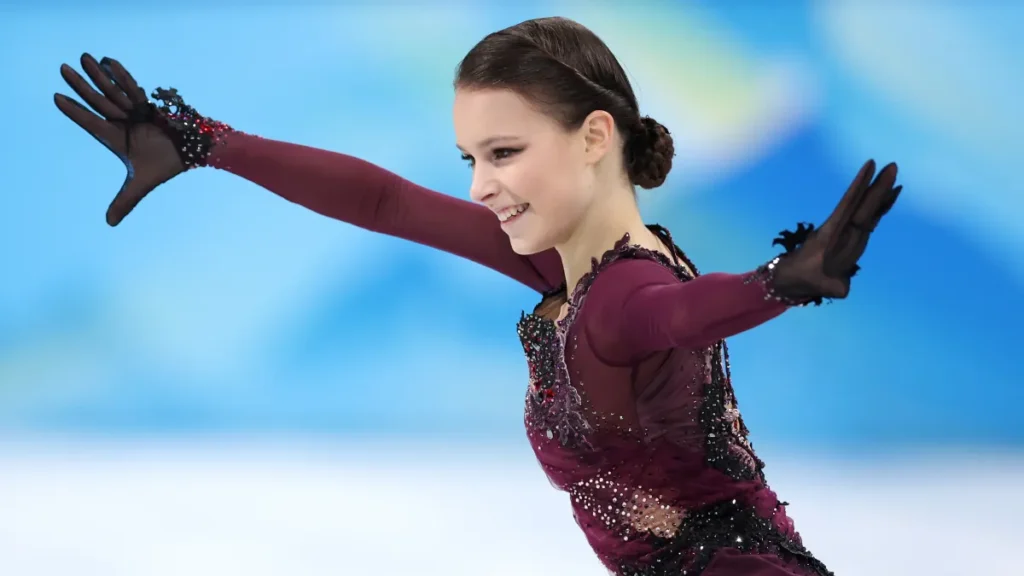
The 2022 Beijing Winter Olympics marked a seismic shift in figure skating, where quadruple jumps—those gravity-defying spins with four rotations—became the gold standard. Skaters like Nathan Chen and Kamila Valieva dazzled audiences, with Chen landing five quads in his men’s free skate and Valieva becoming the first woman to land a quad at the Olympics. This leap in technical prowess redefined what it takes to win, leaving fans and analysts wondering: what’s next for this sport that blends artistry and athleticism?
Why Quads Became the Game-Changer
The Physics of Four Rotations
Quad jumps require skaters to launch into the air, spin four times in under a second, and land on a single blade with the force of a small car’s torque. The biomechanics are brutal—skaters compress their bodies, tucking arms and legs to minimize inertia and maximize rotation speed. As Dagmar Sternad, a professor at Northeastern University, notes, the human body’s limits are pushed to the edge, with ankles and knees absorbing up to ten times a skater’s body weight on landing.
Scoring Systems and Incentives
The International Skating Union’s (ISU) scoring system, introduced in 2004, rewards technical difficulty with higher base points. A quad toe loop, for instance, earns 9.5 points compared to a triple’s 4.2, incentivizing skaters to push for quads. This shift turned programs into high-stakes physics experiments, where every rotation adds points but also risks injury or falls. The 2022 Olympics showcased this trend, with top skaters like Anna Shcherbakova and Alexandra Trusova packing their routines with quads to secure medals.
The Rise of Quads in Women’s Skating
A Russian Revolution
Russian women, coached by Eteri Tutberidze, dominated the 2022 Olympics with their quad-heavy programs. Kamila Valieva, at just 15, landed a quad salchow and a quad toe loop, setting a new benchmark. Her teammates, Shcherbakova and Trusova, followed suit, combining for seven quads in the women’s free skate. This “Quad Squad” leveraged Russia’s state-funded training, which provides elite coaching and ice time, giving them an edge over competitors like American skaters, who often self-fund at $100 per hour for coaching.
The Youth Factor
Younger skaters, often pre-pubescent, have a biomechanical advantage for quads due to their smaller, lighter frames. This has sparked debate about sustainability, as growth spurts can disrupt the ability to land these jumps. For example, Alysa Liu, the first American woman to land a quad at 14, struggled to maintain them after hitting puberty. The trend raises questions about whether the sport is favoring temporary physical advantages over long-term careers.
What’s Next? The Quintuple Jump Debate
Are Quintuple Jumps Possible?
Experts like Sternad and her colleague Aleksei Krotov believe quintuple jumps—five full rotations—are theoretically possible for the 2026 Milan-Cortina Olympics. The physics is daunting: skaters would need even greater height and rotational speed, pushing their bodies to new limits. However, without significant technological advancements in skates or training, quints may remain elusive. The balance between muscle strength and the artistry required in skating could cap progress, as bulking up for jumps risks compromising elegance.
The Quad Axel Breakthrough
The quad axel, with its 4.5 rotations and forward takeoff, is already testing the sport’s boundaries. Ilia Malinin, dubbed the “Quad God,” became the first to land one in competition in 2022, and he’s expected to attempt it at the 2026 Olympics. This jump, more complex than a standard quad, could become a differentiator for men’s skaters, while women may follow if training techniques evolve. Malinin’s dominance, with six quads in his 2025 World Championships free skate, signals a new era.
The Physical and Mental Toll
Injury Risks Skyrocket
Quads and potential quints come with a steep price. Landing forces can exceed 500 pounds, stressing ankles, knees, and lower backs. Studies show figure skating has a high prevalence of overuse injuries, with 31% of skaters reporting a severe injury in a single year. Stress fractures and tendinitis are common, particularly as jump complexity increases. Skaters like Tara Lipinski, who needed hip surgery before 20, highlight the long-term toll of pushing physical limits.
Mental Health Under Pressure
The mental grind is equally intense. Young skaters face immense pressure to perform high-risk jumps while maintaining artistic expression. The 2022 doping scandal involving Kamila Valieva underscored the psychological strain, with the 15-year-old navigating global scrutiny. Coaches like Tutberidze, known for rigorous methods, have been criticized for prioritizing results over well-being, raising ethical questions about the sport’s direction.
Technological and Training Innovations
Can Equipment Evolve?
Unlike other sports, figure skating equipment hasn’t seen dramatic changes. Skate blades have sharper edges and lighter boots, but they’re still fundamentally the same as decades ago. Future advancements, like carbon-fiber blades or AI-driven motion analysis, could help skaters achieve greater height or precision. However, Sternad notes that current technology already pushes human limits, suggesting that breakthroughs may be slow.
Training Smarter, Not Harder
Training methods are evolving to meet quad demands. Russian programs emphasize early specialization, with skaters mastering quads as juniors. In contrast, countries like the U.S. are investing in biomechanics research and recovery protocols to reduce injury risks. Virtual reality simulations and wearable sensors are emerging tools, helping skaters refine technique without repetitive high-impact landings. These innovations could pave the way for safer quintuple attempts.
The Artistic vs. Athletic Debate
Is Artistry Losing Ground?
Critics argue that the quad revolution has shifted focus from figure skating’s artistic roots. Programs heavy on jumps can skimp on footwork, spins, and musicality—the elements that once defined the sport. The ISU’s scoring system, while rewarding difficulty, doesn’t always prioritize artistry, leading to routines that feel like jump contests. Fans miss the elegance of skaters like Michelle Kwan, whose programs were masterpieces of storytelling.
Striking a Balance
The 2026 Olympics could see a push to rebalance artistry and athleticism. Judges may emphasize program components like transitions and interpretation, rewarding skaters who blend quads with creativity. Japan’s Kaori Sakamoto, a three-time world champion, exemplifies this balance, pairing technical jumps with expressive choreography. Her success suggests a path forward for skaters aiming to dazzle without sacrificing soul.
The Global Landscape
Russia’s Continued Dominance?
Russia’s quad dominance in 2022 was bolstered by state support and coaching systems. However, the 2026 Olympics may see Russian and Belarusian skaters compete as neutral athletes due to geopolitical restrictions, potentially leveling the field. Japan and the U.S. are catching up, with skaters like Malinin and Sakamoto leading the charge. The absence of Russia’s “Quad Squad” could open doors for new rivalries.
Emerging Stars to Watch
- Ilia Malinin (USA): The quad axel pioneer, undefeated in the 2024-25 season, is the one to beat.
- Kaori Sakamoto (Japan): Her blend of technical and artistic mastery makes her a women’s favorite.
- Yuma Kagiyama (Japan): A strong contender with consistent quads, chasing Malinin’s crown.
- Alysa Liu (USA): Her return to competition could spark a quad resurgence if she regains form.
These skaters, among others, will shape the 2026 narrative, pushing boundaries while navigating the sport’s evolving demands.
The Role of Rule Changes
Scoring System Tweaks
The ISU may adjust scoring to address quad saturation. Proposals include penalizing pre-rotation—when skaters start spinning before takeoff—to ensure cleaner jumps. Limiting the number of quads in a program could also encourage diversity in elements, preventing routines from becoming jump-heavy. Such changes would aim to preserve artistry while rewarding technical innovation.
Age and Eligibility Concerns
The trend of younger skaters dominating quads has prompted discussions about raising the minimum age for senior competition. The ISU increased the age limit to 17 for the 2026 season, partly to protect young athletes from burnout and injury. This could shift focus to sustainable training, benefiting skaters with longer careers like Sakamoto over prodigies who peak early.
Pros and Cons of the Quad Era
Pros
- Pushes Athletic Boundaries: Quads showcase human potential, captivating audiences with feats once thought impossible.
- Global Competition: The quad revolution has spurred countries like Japan and the U.S. to elevate their programs.
- Innovation in Training: The demand for quads drives advancements in biomechanics and recovery techniques.
Cons
- Injury Risks: The physical toll of quads increases the likelihood of career-ending injuries.
- Artistry Decline: Overemphasis on jumps can overshadow the sport’s artistic elements.
- Youth Bias: Younger, smaller skaters have an advantage, potentially sidelining older competitors.
Comparison: Quads vs. Artistry in Scoring
| Aspect | Quad-Focused Programs | Artistry-Focused Programs |
|---|---|---|
| Scoring Potential | High base points (e.g., 9.5 for quad toe loop) | Lower base points but higher component scores |
| Physical Demand | Extreme, with high injury risk | Moderate, emphasizing stamina and flexibility |
| Audience Appeal | Thrilling, athletic spectacle | Emotional, storytelling resonance |
| Longevity | Risk of burnout and early retirement | Sustainable for longer careers |
This table highlights the trade-offs skaters face, with quads offering immediate rewards but long-term risks, while artistry fosters enduring appeal.
People Also Ask (PAA)
What is a quad jump in figure skating?
A quad jump involves four full rotations in the air, completed in about 0.65–0.70 seconds, before landing on one foot. Types include toe loop, salchow, lutz, flip, and loop, each with unique takeoff mechanics. They’re the most challenging jumps in skating, requiring immense power and precision.
How do skaters train for quad jumps?
Skaters train quads using off-ice harnesses, strength conditioning, and repetitive on-ice practice. Russian programs emphasize early specialization, while others use biomechanics analysis and VR simulations. Recovery protocols, like cryotherapy, help manage the physical strain of high-impact landings.
Where can I watch the 2026 Winter Olympics?
The 2026 Milan-Cortina Olympics will be broadcast on NBC, Peacock, and select international networks like Eurosport. Check local listings or streaming platforms like nbcolympics.com for live coverage. Tickets for in-person events can be found via the official Olympics website.
What are the best tools for learning about figure skating?
- Books: “The Official Book of Figure Skating” by U.S. Figure Skating offers a comprehensive guide.
- Websites: Olympics.com and ISU.org provide updates, rules, and athlete profiles.
- Apps: Skate Canada’s app offers tutorials and scoring guides for aspiring skaters.
- YouTube Channels: Channels like iSkate breakdown techniques and competition highlights.
The Fan Experience: What to Expect in 2026
Imagine sitting rinkside in Milan, the crowd buzzing as Ilia Malinin prepares his quad axel. The music swells, he launches, and for a fleeting moment, he’s a blur of motion, defying gravity. Whether he lands it or not, the attempt will electrify the arena. Fans can expect more of these heart-stopping moments, but also a renewed focus on artistry, as skaters like Sakamoto weave stories through their spins and footwork. The 2026 Olympics promise a thrilling blend of old-school elegance and cutting-edge athleticism.
A Personal Reflection
As a lifelong skating fan, I remember watching Michelle Kwan’s 1998 Olympic performance, captivated by her grace more than her jumps. Today, I’m awestruck by Malinin’s quad axel but nostalgic for the days when artistry reigned supreme. The quad revolution has made skating a spectacle, but I hope 2026 brings a balance that honors the sport’s soul. It’s like watching a tightrope walker—every jump is a thrill, but the beauty lies in not falling.
FAQ
Will quintuple jumps be common by 2026?
Quintuple jumps are theoretically possible but unlikely to be common by 2026 due to physical and technical limits. Skaters like Malinin may attempt them, but widespread adoption will require equipment or training breakthroughs.
How do quads affect skaters’ careers?
Quads increase injury risks, potentially shortening careers, especially for young skaters. The physical toll can lead to stress fractures and overuse injuries, while the mental pressure adds to burnout risks.
Can artistry still win Olympic medals?
Yes, artistry remains crucial. Skaters like Kaori Sakamoto show that high component scores for transitions and musicality can compete with quad-heavy programs, especially if scoring rules evolve.