
Cricket is more than just a sport—it’s a cultural phenomenon that captivates millions across the globe, from dusty village pitches in India to lush green fields in England. If you’ve ever watched a game and felt utterly lost by terms like “googly” or “silly mid-off,” don’t worry—you’re not alone. This guide is designed to unravel the mystery of cricket, breaking it down into bite-sized, easy-to-understand pieces for beginners and curious onlookers alike. Whether you’re a complete novice or someone looking to deepen your appreciation, let’s embark on this journey to understand cricket’s charm, rules, and global appeal.
What Exactly is Cricket?
Cricket is a bat-and-ball game played between two teams of 11 players on a field with a 22-yard-long pitch at its center. The goal is simple: score more runs than your opponent. One team bats, trying to hit the ball and score runs, while the other team fields and bowls, aiming to restrict runs and get the batters out. Sounds straightforward, right? But the beauty of cricket lies in its layers of strategy, skill, and patience, which we’ll unpack step by step.
A Brief History of Cricket
Cricket’s origins trace back to 16th-century England, evolving from a children’s game into a structured sport. By the 18th century, it had become England’s national pastime, spreading to British colonies like India, Australia, and the Caribbean. Today, it’s a global sport, with over 100 countries affiliated with the International Cricket Council (ICC). Its rich history adds a nostalgic charm, connecting fans across generations.
Why Cricket Feels So Confusing
If you’ve ever watched cricket and scratched your head, it’s likely because of its unique terminology, varying formats, and complex rules. From “overs” to “wickets,” the jargon can feel like a foreign language. Add in the fact that a single match can last anywhere from a few hours to five days, and it’s no wonder newcomers feel overwhelmed. But don’t worry—this guide will demystify it all with clear explanations and relatable examples.
The Basics of Cricket: How the Game Works
At its core, cricket is about two teams taking turns to bat and field. The batting team aims to score runs by hitting the ball, while the fielding team tries to limit runs and dismiss the batters. Let’s break down the key elements to make it crystal clear.
The Cricket Field and Equipment
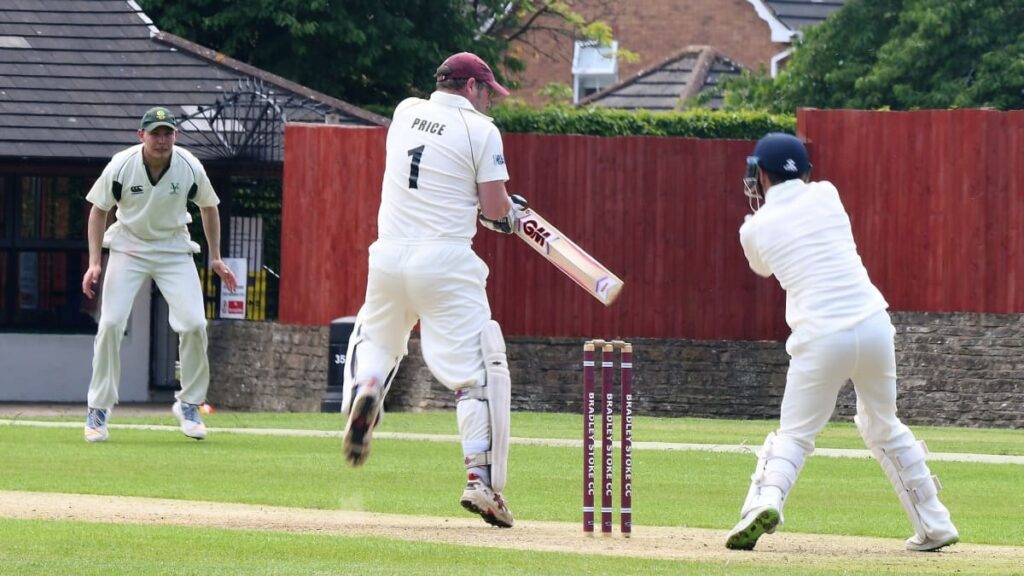
A cricket match is played on a large, oval-shaped field with a rectangular strip called the pitch in the center. The pitch is where most of the action happens—batting, bowling, and dismissals. Essential equipment includes a hard leather ball, a flat wooden bat, and protective gear like pads and helmets for batters. The stumps—three wooden sticks with two bails on top—form the target for bowlers.
Key Roles in Cricket
Every player has a role, and understanding these is key to enjoying the game. Here’s a quick rundown:
- Batters: Try to score runs by hitting the ball and running between the stumps.
- Bowlers: Deliver the ball to get batters out or restrict runs.
- Fielders: Catch the ball, stop runs, or throw it to hit the stumps.
- Wicketkeeper: A specialized fielder behind the stumps, catching missed balls.
- Umpires: Officials who enforce rules and make decisions like outs or runs.
Each role requires unique skills, making cricket a game of diverse talents working together.
How Runs Are Scored
Runs are the currency of cricket. A batter scores by hitting the ball and running between the two sets of stumps on the pitch—each completed run counts as one. If the ball crosses the boundary rope, it’s four runs (if it bounces) or six runs (if it flies over). The batting team aims to pile up as many runs as possible before they’re all out.
Getting Out: The Many Ways to Dismiss a Batter
A batter is dismissed (or “out”) in several ways, and this is where cricket’s complexity shines. Here are the most common dismissals:
- Bowled: The bowler hits the stumps, dislodging the bails.
- Caught: A fielder catches the ball before it touches the ground.
- LBW (Leg Before Wicket): The ball hits the batter’s leg, blocking a shot that would’ve hit the stumps.
- Run Out: A fielder hits the stumps with the ball before the batter completes a run.
- Stumped: The wicketkeeper dislodges the bails when the batter steps out of their crease.
Each dismissal adds drama, as the fielding team celebrates and the batting team strategizes to avoid further losses.
Cricket Formats: From Quick Thrills to Epic Battles
Cricket comes in different flavors, each with its own pace and appeal. Whether you prefer a fast-paced showdown or a drawn-out tactical war, there’s a format for you. Let’s explore the three main types.
Test Cricket: The Ultimate Test of Patience
Test cricket is the traditional, longest format, played over five days. Each team gets two innings (turns to bat), aiming to outscore the other. Matches can end in a win, loss, or draw, and the slow-burn strategy feels like a chess game. It’s revered for its history and depth, with players wearing classic white uniforms.
One-Day Internationals (ODIs): A Balanced Affair
ODIs are limited to 50 overs (300 balls) per team, making them faster-paced than Tests but still strategic. Each team gets one innings, and matches typically last about 7–8 hours. The Cricket World Cup is played in this format, making it a global favorite for its mix of excitement and skill.
Twenty20 (T20): Cricket’s High-Octane Thrill Ride
T20 is the shortest, most explosive format, with each team facing 20 overs (120 balls). Matches last about 3 hours, packed with big hits and dramatic moments. Leagues like the Indian Premier League (IPL) have made T20 a fan favorite, especially for newcomers drawn to its fast pace.
Comparison of Cricket Formats
| Format | Duration | Overs per Team | Best For |
|---|---|---|---|
| Test Cricket | Up to 5 days | Unlimited | Purists, strategy lovers |
| ODI | 7–8 hours | 50 | Balanced, global tournaments |
| T20 | ~3 hours | 20 | Newcomers, action seekers |
Each format offers a unique experience, catering to different tastes and time commitments.
Why Cricket Captivates the World
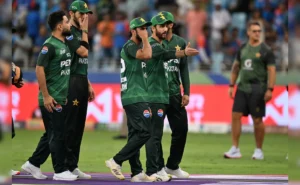
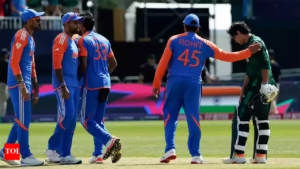
Cricket isn’t just a sport—it’s a way of life in countries like India, England, Australia, and Pakistan. Its global appeal stems from its ability to unite communities, spark rivalries, and create unforgettable moments. Let me share a personal story: growing up, I remember my uncle glued to the radio during India-Pakistan matches, the tension in the room palpable as every run felt like a matter of national pride. That emotional connection is what makes cricket special.
Cricket’s Cultural Impact
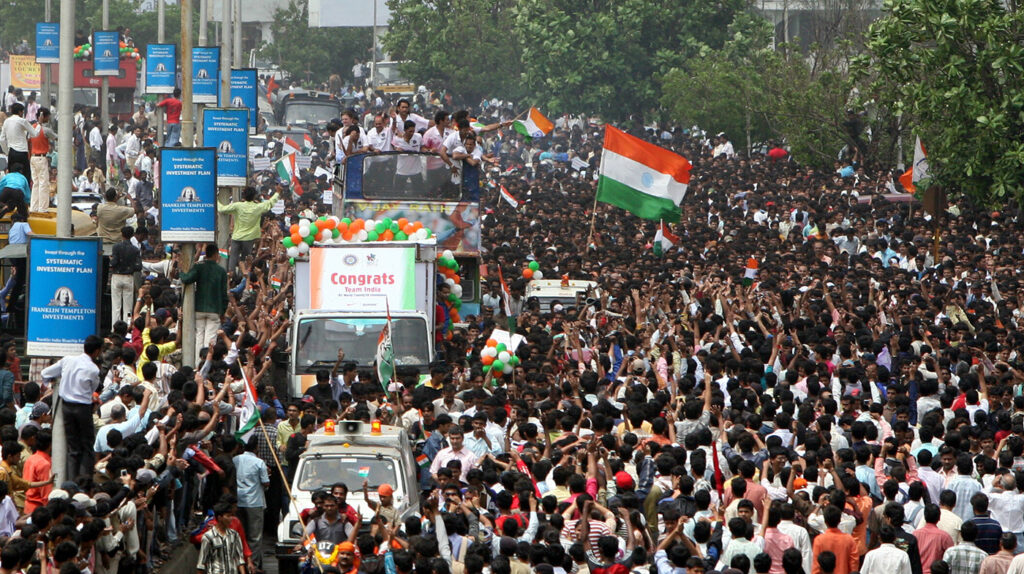
In India, cricket is practically a religion, with players like Sachin Tendulkar treated like gods. In England, it’s a symbol of tradition, played on village greens. In the Caribbean, it’s a celebration of flair and rhythm. This diversity makes cricket a global language, bridging cultures through shared passion.
Iconic Tournaments and Events
Cricket’s biggest stages showcase its magic. Here are a few must-know events:
- ICC Cricket World Cup: The pinnacle of ODI cricket, held every four years.
- T20 World Cup: A fast-paced global showdown for T20 fans.
- The Ashes: A historic Test series between England and Australia, steeped in rivalry.
- Indian Premier League (IPL): A star-studded T20 league with global superstars.
These events draw millions of viewers, making cricket one of the world’s most-watched sports.
Getting Started with Cricket: Tips for Newcomers
If you’re ready to dive into cricket, whether as a fan or player, here’s how to get started without feeling overwhelmed. It’s easier than you think, and the rewards are worth it.
How to Watch Cricket
Start with T20 matches—they’re short, exciting, and easy to follow. Platforms like ESPN+, Willow TV, or Hotstar stream live games, while highlights on YouTube can help you catch up. Pay attention to the scoreboard—it shows runs, wickets, and overs, giving you context. Don’t stress about understanding every rule at first; focus on enjoying the action.
How to Play Cricket
Want to try playing? You don’t need much to start:
- Equipment: A bat, ball, and stumps (or makeshift ones like boxes).
- Space: A backyard or park works for casual games.
- Rules: Stick to simplified versions, like “gully cricket” with fewer players.
Join a local club or school team to learn proper techniques. Many communities offer beginner-friendly sessions.
Best Tools and Resources for Cricket Fans
| Resource | Purpose | Where to Find |
|---|---|---|
| Cricbuzz | Live scores, news, and stats | Cricbuzz.com |
| ESPNcricinfo | In-depth analysis and history | ESPNcricinfo.com |
| ICC App | Tournament updates and highlights | App Store/Google Play |
| Cricket Coaching Books | Learn techniques and strategies | Amazon or local bookstores |
These tools make it easy to stay updated and learn more about the game.
Pros and Cons of Following Cricket
Pros:
- Exciting matches with dramatic moments.
- Connects you to a global community.
- Offers formats for every time commitment.
Cons:
- Complex rules can be intimidating at first.
- Long formats like Test cricket require patience.
- Time zone differences for international games.
With a bit of effort, the pros far outweigh the cons, and you’ll soon be hooked.
People Also Ask (PAA) Section
Here are real questions from Google’s PAA, answered concisely to address common curiosities.
What is the basic rule of cricket?
Cricket involves two teams of 11 players. One team bats to score runs by hitting the ball, while the other bowls and fields to get batters out. The team with the most runs wins.
How long is a cricket game?
It depends on the format: T20 lasts ~3 hours, ODIs take 7–8 hours, and Test matches can span 5 days. Each offers a different pace and experience.
Why is cricket so popular?
Cricket’s popularity comes from its deep cultural roots, exciting gameplay, and global events like the World Cup. It unites fans across nations through shared passion and rivalries.
Is cricket easy to learn?
Yes, but it takes time to grasp the rules. Start with T20 for its simplicity, watch highlights, and use apps like Cricbuzz to learn terms and strategies gradually.
FAQ Section
How many players are in a cricket team?
Each team has 11 players, with roles like batters, bowlers, fielders, and a wicketkeeper. Substitutes are allowed for fielding but can’t bat or bowl.
What’s the difference between a four and a six in cricket?
A four is scored when the ball crosses the boundary after bouncing, while a six is scored if it crosses without touching the ground. Both are high-value shots.
Can I play cricket without professional equipment?
Absolutely! Casual games can use a tennis ball, a basic bat, and makeshift stumps like boxes or chairs. It’s a great way to start in your backyard.
Where can I watch live cricket matches?
Stream on platforms like ESPN+, Willow TV, or Hotstar. Check local listings or apps like Cricbuzz for schedules and free highlights on YouTube.
Why do some cricket matches last five days?
Test matches last up to five days to test endurance and strategy. Each team gets two innings, and the extended format allows for deeper tactical play.
Final Thoughts: Why Cricket is Worth Your Time
Cricket may seem daunting at first, but its blend of strategy, skill, and emotion makes it endlessly rewarding. Whether you’re cheering for a six in a T20 thriller or marveling at a bowler’s precision in a Test match, there’s something for everyone. Start small—watch a game, join a local club, or chat with a cricket-loving friend. Before you know it, you’ll be debating googlies and cheering for your team like a lifelong fan. So, grab a seat, tune in, and let cricket’s magic pull you in.