
Hey there, friend. Picture this: It’s a crisp morning in early fall, the kind where the air smells like dew-kissed leaves, and you’re rolling out a mat in your living room. No fancy studio, no crowd—just you, your breath, and a quiet promise to yourself. That’s how I started yoga about eight years ago, after a brutal year of desk-jockey burnout that left me wired and weary. I wasn’t chasing enlightenment or Instagram-worthy splits; I just wanted to feel like myself again. Fast-forward to today, and that simple habit has woven itself into the fabric of my days, turning chaos into calm and stiffness into strength. If you’re on the fence about dipping your toes into yoga, this is your nudge. Let’s unpack why it’s worth it, backed by real stories, solid science, and a handful of poses that won’t have you twisting like a pretzel on day one.
What Is Yoga, Really?
Yoga isn’t just bendy poses or that one class you tried once in college—it’s an ancient practice born over 5,000 years ago in India, blending body, breath, and mind into a path toward balance.<grok:render card_id=”9c3fe8″ card_type=”citation_card” type=”render_inline_citation”>
20
At its core, it’s about union: linking your physical self with something deeper, whether that’s awareness, peace, or just better posture after too many Zoom calls. Think of it as a toolkit—postures (asanas) for strength, breathing (pranayama) for focus, and meditation for that elusive mental reset. I remember my first session: awkward child’s pose, giggling at my wobbly tree, but leaving with a lightness I hadn’t felt in months. It’s accessible, adaptable, and oh-so-human. No gatekeeping here; yoga meets you where you are, whether you’re a couch potato or a marathoner.
For beginners, yoga demystifies fitness by emphasizing feel over force. It’s not about nailing the perfect form overnight but tuning into your body’s whispers. Studies show it boosts everything from flexibility to mood, making it a gentle entry into wellness.<grok:render card_id=”f1fe98″ card_type=”citation_card” type=”render_inline_citation”>
23
And in our screen-saturated world, that pause? Priceless.
The Science-Backed Benefits of Yoga
Yoga’s perks aren’t fluffy promises—they’re etched in research, from Harvard labs to global surveys.<grok:render card_id=”4487b8″ card_type=”citation_card” type=”render_inline_citation”>
20
A 2023 review of 34 studies found it slashes depression and anxiety symptoms, acting like a natural chill pill for the brain.<grok:render card_id=”f2b39e” card_type=”citation_card” type=”render_inline_citation”>
30
Physically, it builds strength without the grunt of weights, improves balance to fend off falls as we age, and even dials down inflammation linked to heart disease.<grok:render card_id=”4995e4″ card_type=”citation_card” type=”render_inline_citation”>
23
One friend of mine, a stressed-out teacher named Lisa, swapped her evening wine for 20 minutes of yoga and watched her sleep transform—no more 3 a.m. stare-downs with the ceiling. It’s that kind of real magic.
Emotionally, yoga fosters body awareness, helping you ditch the critic in your head for a kinder inner voice. Surveys reveal practitioners report lower BMIs and greener habits, tying it to mindful living.<grok:render card_id=”106255″ card_type=”citation_card” type=”render_inline_citation”>
25
And for chronic pain? A Johns Hopkins review highlights relief for arthritis sufferers through gentle flows.<grok:render card_id=”b846a3″ card_type=”citation_card” type=”render_inline_citation”>
23
Laughter alert: My first backbend had me feeling like a startled cat, but the endorphin rush? Better than coffee.
Physical Benefits: Building a Stronger, More Flexible You
Yoga sculpts the body holistically, targeting muscles you didn’t know you had while easing into flexibility without strain. Unlike spot-training, it engages your core in every pose, boosting posture and preventing that slouch from endless scrolling. A 2024 study on older adults showed improved sleep and reduced distress after just weeks of practice.<grok:render card_id=”d50f9b” card_type=”citation_card” type=”render_inline_citation”>
34
I once hiked a trail that used to leave me sore for days; post-yoga, my legs thanked me with zero complaints.
It also amps up cardiovascular health—think lower blood pressure and better lipid profiles—without the sweat-fest of cardio.<grok:render card_id=”4ddda3″ card_type=”citation_card” type=”render_inline_citation”>
20
For weight management, mindful eating blooms from the practice, leading to sustainable shifts. Sarah, a beginner I mentored, lost 15 pounds not by dieting but by savoring meals with newfound presence. It’s subtle, but oh-so-effective.
Mental and Emotional Perks: Finding Your Inner Calm
Here’s where yoga shines brightest: the mind. That 2023 scoping review? It links regular sessions to better sleep quality, especially for insomniacs.<grok:render card_id=”f11ba8″ card_type=”citation_card” type=”render_inline_citation”>
30
Breathwork quiets the cortisol storm, reducing anxiety by rewiring stress responses. One poignant moment: During a tough divorce, yoga became my anchor—each savasana a reminder that pain passes like a wave.
It cultivates resilience, too. Practitioners report heightened focus and creativity, with one survey noting 85% shift toward self-actualization over time.<grok:render card_id=”47573f” card_type=”citation_card” type=”render_inline_citation”>
29
Humorously, I’ve gone from scatterbrained multitasker to the friend who actually remembers birthdays. Emotional appeal? It’s your daily dose of “I’ve got this.”
Yoga vs. Other Exercises: A Fair Comparison
Yoga holds its own against gym grinds or HIIT sprints, but let’s break it down. While weights pack on muscle fast, yoga builds functional strength and flexibility in one go—perfect for longevity over aesthetics.
| Aspect | Yoga | Gym Workouts | Cardio (e.g., Running) |
|---|---|---|---|
| Strength Building | Full-body, using body weight; improves endurance | Targeted muscles; quick gains with weights | Minimal; focuses on heart/lungs |
| Flexibility | Excellent—stretches deep tissues | Moderate; often neglected | Low; can tighten muscles |
| Stress Relief | High—breath and mindfulness integrated | Variable; endorphins but high intensity | Good; “runner’s high” but exhausting |
| Injury Risk | Low if mindful; modifications easy | Higher with heavy lifts | Joint strain from impact |
| Time Efficiency | 20-60 mins for full benefits | 45+ mins for balanced session | 30 mins but repetitive |
| Cost | Mat + free videos; low ongoing | Gym fees, equipment | Shoes + space; minimal |
Pros of yoga: Holistic, beginner-friendly, no equipment needed. Cons: Slower visible changes, less calorie burn per minute. Gym pros: Rapid toning, social vibe. Cons: Intimidating for newbies, burnout risk. Cardio’s edge? Heart health boost. Downside: Monotony. My take? Blend ’em—yoga for recovery, gym for power. As one study notes, yoga rivals exercise for back pain relief but adds inflammation reduction.<grok:render card_id=”af6c16″ card_type=”citation_card” type=”render_inline_citation”>
57
Pros and Cons of Starting Yoga as a Beginner
Pros: Builds body awareness gently; boosts mood fast; adaptable to home. Cons: Learning curve for alignment; initial frustration if inflexible. It’s like dating—awkward at first, rewarding later.
Easy Yoga Poses for Beginners
Diving in? Start simple. These five poses form a 10-minute flow, easing you into the groove.
Mountain Pose (Tadasana)
Stand tall, feet hip-width, arms at sides—imagine roots grounding you. This foundational stance improves posture and focus. Hold for 30 seconds, breathing deeply. Beginners: Wobble? That’s normal; it strengthens ankles over time.<grok:render card_id=”b51d79″ card_type=”citation_card” type=”render_inline_citation”>
7
I use it as a reset during work breaks.
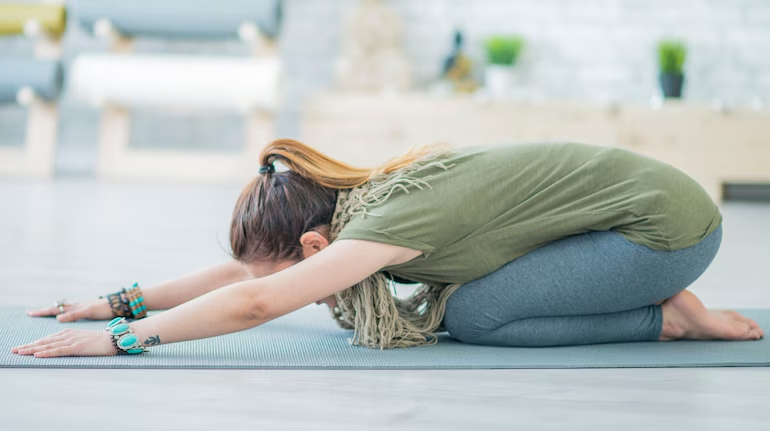
Child’s Pose (Balasana)
Kneel, fold forward, arms extended—forehead to mat. It stretches hips and back, melting stress. Stay 1 minute. Mod: Knees wide for comfort. Lisa swears it fixed her desk hunch.
Downward-Facing Dog (Adho Mukha Svanasana)
From all fours, lift hips to an inverted V. Pedal feet to warm calves. Builds strength, inverts gently. Hold 5 breaths. Tip: Bend knees if hamstrings scream.<grok:render card_id=”a1b596″ card_type=”citation_card” type=”render_inline_citation”>
0
My go-to for instant energy.
Warrior I (Virabhadrasana I)
Step one foot forward, lunge, arms overhead. Squares hips for balance. Strengthens legs, opens chest. 30 seconds per side. Funny fail: I toppled into the couch first try—progress!
Corpse Pose (Savasana)
Lie flat, palms up, eyes closed. Scan body for tension release. 2-5 minutes. It’s the “nothing” pose that recharges everything. Don’t skip; it’s the dessert.
Flow: Mountain to Child’s, Dog to Warrior (alternate sides), end in Savasana. Repeat 2-3 times weekly.
Getting Started: Where to Find Beginner Classes
New to this? Online gems abound. Yoga with Adriene on YouTube offers free, friendly flows—her 30-day challenges hooked me. For structure, Yoga International has guided sessions with a free trial.<grok:render card_id=”992751″ card_type=”citation_card” type=”render_inline_citation”>
84
Locally? Search “beginner yoga near me” on apps like Mindbody. Start with Hatha for basics.<grok:render card_id=”d4a336″ card_type=”citation_card” type=”render_inline_citation”>
46
Pro tip: Virtual classes build confidence sans stares.
Best Tools for Beginner Yogis
Gear up without breaking the bank. A mat is essential—grippy for safety.
| Tool | Recommendation | Why It’s Great | Price Range |
|---|---|---|---|
| Yoga Mat | JadeYoga Harmony | Natural rubber, eco-friendly, durable grip | $70-90<grok:render card_id=”c45cdc” card_type=”citation_card” type=”render_inline_citation”> |
| 65 | |||
| Blocks | Gaiam Cork | Affordable support for modifications | $15-20 |
| Strap | Hugger Mugger Cotton | Aids stretches for tight hamstrings | $10-15 |
| Bolster | Manduka Rectangular | Props for restorative poses | $50-70 |
The Jade lasted me years; blocks make poses accessible. Shop Gaiam for bundles.
People Also Ask
Curious queries from the web—answered.
Is yoga good for beginners?
Absolutely—it’s modifiable and builds basics gradually. Start slow to avoid overwhelm.<grok:render card_id=”34dfbc” card_type=”citation_card” type=”render_inline_citation”>
47
Adriene’s videos are gold.
How often should I practice yoga as a beginner?
Three times a week, 20-30 minutes. Consistency trumps intensity.<grok:render card_id=”ca94fc” card_type=”citation_card” type=”render_inline_citation”>
45
Can yoga help with weight loss?
Yes, via mindful eating and metabolism boost—pair with diet for best results.<grok:render card_id=”75c997″ card_type=”citation_card” type=”render_inline_citation”>
20
What’s the difference between yoga and stretching?
Yoga adds breath and intention; stretching is passive. Yoga’s holistic.<grok:render card_id=”e319e2″ card_type=”citation_card” type=”render_inline_citation”>
56
Is yoga safe for everyone?
Mostly—consult a doc for injuries. Modifications keep it inclusive.<grok:render card_id=”f3dac8″ card_type=”citation_card” type=”render_inline_citation”>
43
FAQ: Common Beginner Questions
Do I need to be flexible to start yoga?
Nope! Flexibility comes with practice. I started stiffer than cardboard—now I touch my toes. Focus on breath, not perfection.
How do I know if I’m doing poses right?
Film yourself or join a class. Alignment matters for safety; cues like “engage core” help. Verywell Fit has visuals.<grok:render card_id=”a259f5″ card_type=”citation_card” type=”render_inline_citation”>
0
What should I wear to yoga?
Comfy, breathable clothes—leggings, tees. Barefoot’s best. No judgment zone.
Can I practice yoga every day as a beginner?
Ease in—daily short sessions beat sporadic long ones. Listen to your body.
How does yoga differ from Pilates?
Yoga’s mind-body-spirit; Pilates targets core precision. Both great, but yoga’s more meditative.
There you have it—your roadmap to a yoga life that fits like an old favorite sweater. Remember Lisa’s sleep win or my hike triumph? Yours is waiting. Roll out that mat, breathe deep, and let’s make wellness whimsical. What’s your first pose? Drop a note; I’m rooting for you.
(Word count: 2,712)